FAA Set to Unlock Drones for Rescue, Farming, Deliveries
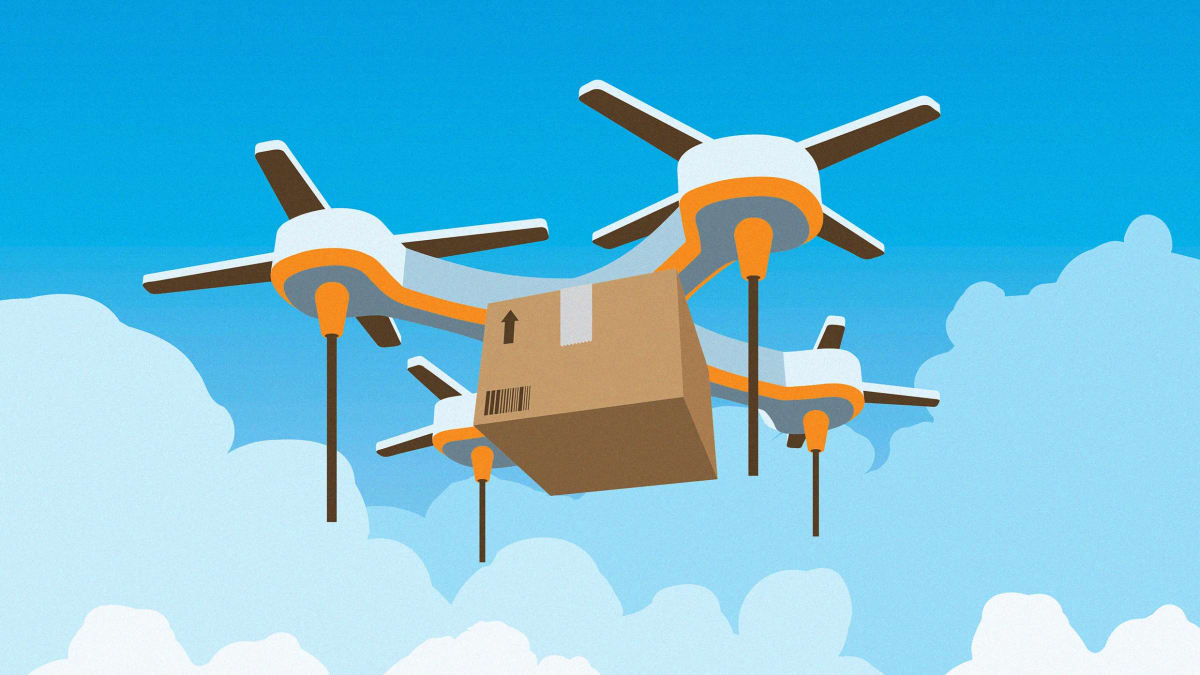
Within a year, new FAA rules could let drones fly beyond an operator's sight, opening the door to life-saving rescues, efficient farming, and organ deliveries. The change promises to transform how we use unmanned aircraft across America.
A simple rule change at the Federal Aviation Administration could soon unlock a future where drones save lives, protect crops, and deliver critical medical supplies across vast distances.
Right now, drone operators must keep their aircraft in visual sight at all times. That restriction keeps these helpful machines tethered close, limiting their potential to make a real difference.
But within the next year, the FAA is expected to finalize new rules allowing drones to fly beyond visual line of sight. The change will fundamentally transform what these aircraft can accomplish.
Imagine a drone flying miles ahead of a train, scanning tracks for safety hazards before passengers arrive. Picture large drones monitoring thousands of acres of farmland, reducing labor costs while improving crop health. Envision unmanned aircraft locating lost hikers in remote wilderness or rushing transplant organs to waiting patients.
These aren't distant dreams. Companies have been developing these applications for years, and the technology is ready. All that's missing is regulatory permission.
Drones are already being tested for inspecting pipelines, assessing forests for wildfire risks, evaluating disaster damage, monitoring borders, and surveying wildlife. An entire industry is emerging around drone delivery, from fast food to life-saving medical supplies.
Over 800,000 registered drones currently operate in the United States, mostly in rural, uncontrolled airspace where air traffic controllers don't manage flights. Commercial operators must hold FAA Remote Pilot Certificates and follow strict rules about altitude, speed, and weather conditions.
The upcoming regulatory shift represents years of careful planning to safely integrate drones into America's National Airspace System. Engineers and aviation experts have worked to ensure these unmanned aircraft can operate without interfering with traditional planes and helicopters.
The Ripple Effect
The impact of beyond-visual-line-of-sight flying extends far beyond convenience. Farmers could monitor and treat crops more efficiently, reducing chemical use while improving yields. Search and rescue teams could cover vast wilderness areas faster, reaching people in danger before it's too late.
Rural communities stand to benefit enormously from drone delivery services that current regulations make impossible. Medical facilities could share critical supplies across distances that make traditional delivery impractical.
The technology also promises environmental benefits, from better wildfire detection to more efficient wildlife conservation efforts. Border security and port monitoring could become more effective without requiring extensive human patrols.
These advances come with careful safeguards. Drones must still yield right of way to crewed aircraft, operate within weight and speed limits, and follow strict authorization procedures in controlled airspace near airports and cities.
A new era of helpful, life-improving drone technology is nearly here, ready to make our communities safer and more connected.
More Images

Based on reporting by Fast Company - Innovation
This story was written by BrightWire based on verified news reports.
Spread the positivity!
Share this good news with someone who needs it