Facebook Shuts Down 9 Groups Selling Endangered Species
After investigative reporters exposed illegal wildlife trade happening openly on Facebook, Meta closed nine groups in Indonesia that were selling protected animals like endangered gibbons and hornbills. The investigation led authorities to a pet store trafficking vulnerable species, showing how collaboration between journalists and tech companies can protect wildlife.
When reporters found endangered rhinoceros hornbills being sold as casually as used furniture on Facebook, they knew they'd uncovered something that needed immediate action.
Journalists from Mongabay and Bellingcat discovered nine Facebook groups in Indonesia openly advertising protected species for sale. One group called "West Bogor Animal Selling and Trading Forum" added over 200 animal advertisements in just one week, with 18 featuring threatened species.
The posts were shockingly brazen. In one thread selling a protected rhinoceros hornbill, a commenter warned the seller to be careful not to get caught. The seller's response? "That's the risk."
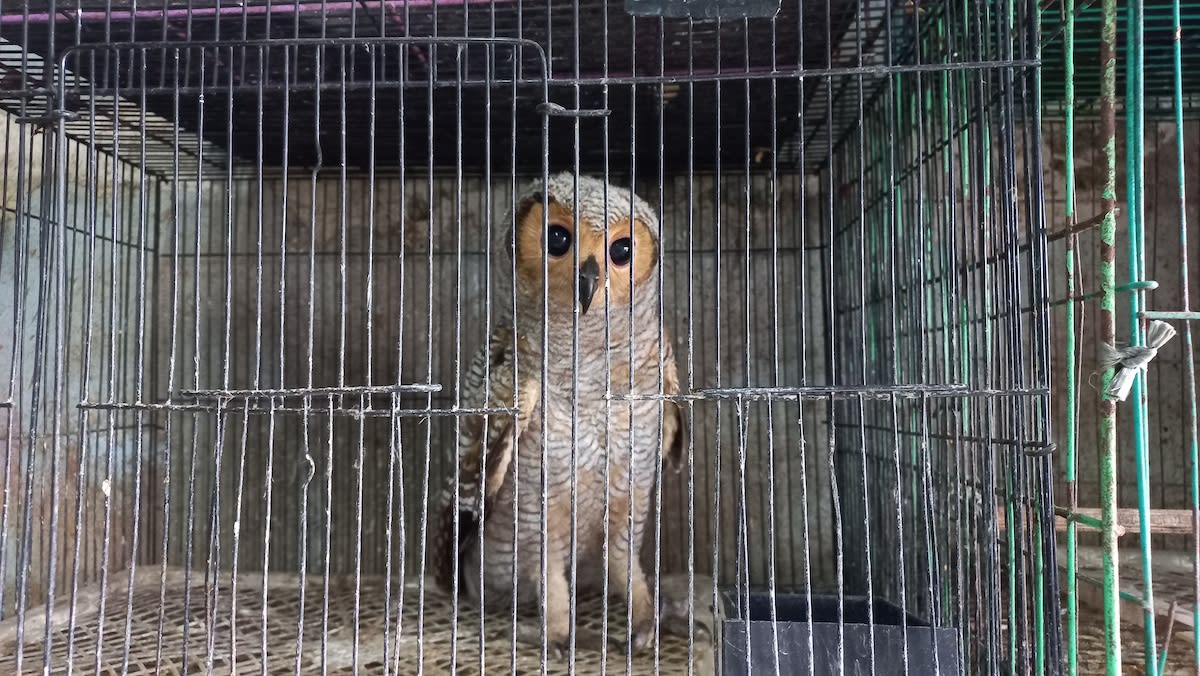
Some groups had been operating for more than five years, selling everything from Javan silvery gibbons (fewer than 2,500 left in the wild) to vulnerable Javan coucal chicks. Meta's own policies prohibit animal trade on its platforms, yet these groups thrived in plain sight.
The reporters traced some advertisements to Station Sato, a pet store in Cibinong, just outside Jakarta. During undercover visits, they found two-week-old Javan coucal chicks selling for just $11 each, taken from the wild and separated from their mothers.
The store manager openly explained that most sales happened online through Facebook and WhatsApp, with brokers connecting buyers to a wider network of wildlife suppliers. The store also used Tokopedia, Indonesia's largest online marketplace, to sell endangered long-tailed macaques by miscategorizing them as books and toys.
The Ripple Effect
When Mongabay and Bellingcat presented their findings to Indonesian forestry officials in late November, the response was swift. Meta closed all nine Facebook groups. Conservation officials conducted spot checks at Station Sato within days.
While the initial inspection didn't find protected species (likely tipped off), authorities confirmed the store had previous violations and pledged continued monitoring. The investigation demonstrates how journalism, technology companies, and government agencies can work together to combat wildlife crime.
Meta responded by reaffirming its partnership with groups like the World Wildlife Fund and its investment in detection tools. The company acknowledged that bad actors constantly evolve their tactics, making ongoing collaboration essential.
Indonesia is one of the world's most biodiverse countries, making it a hotspot for illegal wildlife trade. This investigation shines a light on how social media platforms, when held accountable, can become allies in conservation rather than enablers of extinction.
More Images


Based on reporting by Mongabay
This story was written by BrightWire based on verified news reports.
Spread the positivity!
Share this good news with someone who needs it