Factories Building Homes Could Fix Europe's Housing Crisis
Europe needs 10 million more homes, and traditional construction can't keep up. Factory-built modular homes are now delivering houses 50% faster while cutting waste and carbon emissions nearly in half.
Imagine building a home the same way you'd build a car: on a factory floor, with precision and speed, then delivering it ready to live in.
That's exactly what's happening across Europe, and it might just solve one of the continent's biggest challenges. The EU faces a shortage of 10 million homes, with Germany needing 400,000 new units annually and France holding 2.8 million families on social housing waiting lists. Traditional construction is meeting only half the required pace.
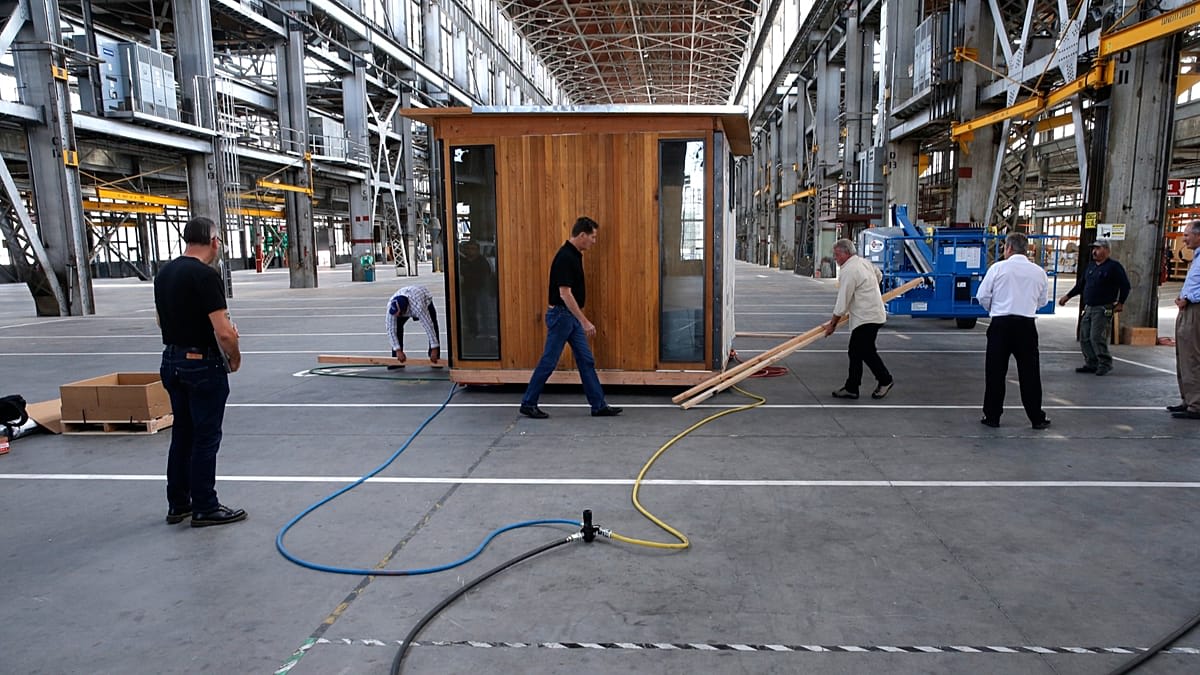
Enter modular construction. Factories now build entire rooms, walls, and floor units indoors, then truck them to building sites for quick assembly. The results are impressive: projects finish 50 to 90 percent faster because factory work and site preparation happen simultaneously.
The environmental wins are equally striking. Factory-built homes generate just 10 to 15 kilograms of waste per square meter, compared to 25 to 30 kilograms for conventional builds. Carbon emissions drop by up to 45 percent, helping Europe meet its climate goals while addressing the housing crisis.
Sweden leads the charge with 45 percent of new housing now built using modular methods. Stockholm Wood City, a massive timber-modular development, serves as a blueprint for other European cities. Germany follows with 26 percent of new single and two-family homes prefabricated in 2024, backed by federal subsidies for climate-efficient housing.
The Netherlands is racing to build 1 million homes by 2031 and turning to modular construction to hit that target. Spain, Portugal, and Poland are emerging markets, with Poland facing a shortage of 1.5 million units and welcoming modular developers for social housing projects.
The European modular market stands at 31 billion euros in 2025 and should exceed 40 billion by 2030. That growth reflects both urgent need and smart policy, as governments realize factory-built homes meet the same strict energy and safety standards as traditional construction.
The Ripple Effect goes beyond just more homes. Moving construction into factories addresses Europe's chronic shortage of skilled workers by bringing jobs indoors where training is easier and conditions are safer. Communities get quality housing faster, families spend less time on waiting lists, and cities can plan growth more reliably.
Challenges remain, particularly around regulatory differences between countries that slow cross-border expansion. The EU is addressing this with Digital Product Passports that let authorities scan a code and instantly verify a building component meets standards, cutting approval times from weeks to minutes.
Modular construction won't solve everything, but it's proving that sometimes the best way forward is to rethink how we've always done things.
Europe is building hope, one factory-made home at a time.
Based on reporting by Euronews
This story was written by BrightWire based on verified news reports.
Spread the positivity!
Share this good news with someone who needs it