Failed 2017 Startup's Vision Now Powers Your AirPods
A tiny company called Doppler Labs folded in 2017 after dreaming up earbuds that could translate languages and help people hear better. Today, those "impossible" features are standard in the earbuds millions use daily.
The tech startup that died trying to build "a computer for your ears" actually won in the end.
Back in 2013, Doppler Labs had a wild idea. What if wireless earbuds could do more than play music? What if they could translate conversations in real time, help people with hearing loss, and blend streaming audio with the sounds around you?
At the time, nobody had even figured out how to make Bluetooth earbuds that worked reliably. Doppler was trying to solve basic connectivity problems while simultaneously building the future.
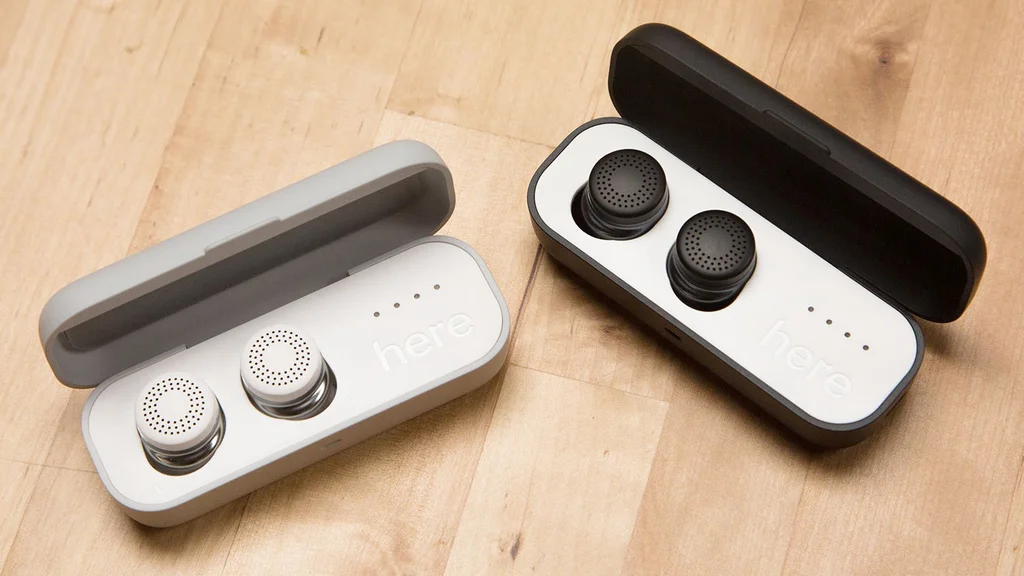
The company launched Here One earbuds in early 2017, offering features that seemed like science fiction. But a few months earlier, Apple had released the first AirPods. They were simpler, sleeker, and worked perfectly with iPhones.
Doppler couldn't compete. The company shut down in 2017, and Here One became another forgotten Silicon Valley casualty.
Except the vision didn't die. It just needed time to catch up with the technology.
When Apple released AirPods Pro in 2019, tech writers started calling them exactly what Doppler had envisioned: a computer for your ears. The features Doppler pioneered began appearing one by one. Live audio mixing. Ambient sound blending. Hearing assistance for people with hearing loss. Real-time translation between languages.
Apple shipped nearly 17 million AirPods in a single quarter of 2019. Today, these "tiny computers" are everywhere, doing exactly what Doppler promised they would.
The Ripple Effect
Doppler's story shows how innovation really works. The company was too early, and it didn't have Apple's resources or ecosystem. But its engineers proved these features were possible and showed the world what earbuds could become.
Now millions of people benefit from technology that a small team dreamed up over a decade ago. People with hearing loss get affordable assistance through AirPods' accessibility features. Travelers chat across language barriers using real-time translation. Runners mix their music with ambient sound to stay safe.
The startup failed, but its blueprint for the future succeeded beyond what any single company could achieve. Sometimes the boldest ideas need to die before they can truly come alive.
More Images

Based on reporting by Fast Company - Innovation
This story was written by BrightWire based on verified news reports.
Building Something New? Try the BrightWire Tech Stack Advisor
Compare modern frameworks, cloud hosting, and AI tools tailored to your project budget and scale.
Spread the positivity!
Share this good news with someone who needs it