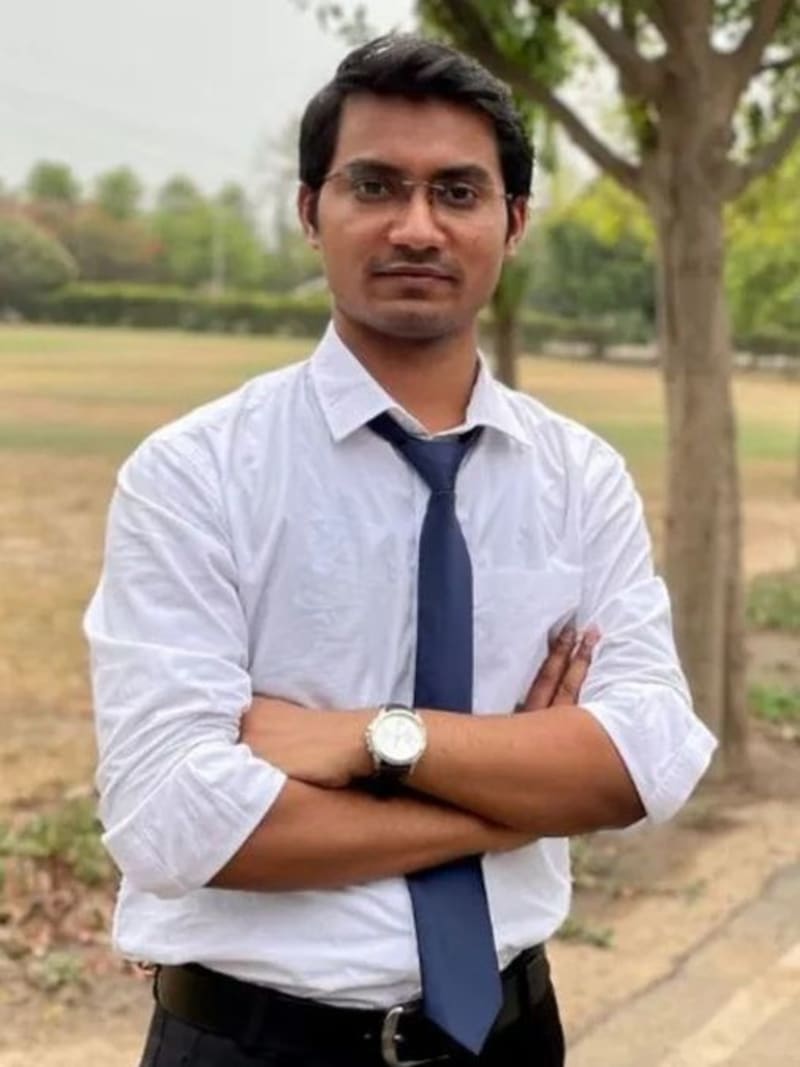
Failed UPSC Exam, Then Ranked #1 in India's Toughest Test
Shubham Kumar from Bihar failed India's civil service prelims in 2018, then completely changed his study approach. Two years later, he scored the top rank in the nation.
After bombing the preliminary exam for India's notoriously difficult civil service test in 2018, Shubham Kumar from Bihar had a choice to make. He could give up on his dream of becoming an IAS officer, or he could figure out what went wrong and try again.
He chose to rebuild his entire study strategy from the ground up. The result? All India Rank 1 in the UPSC Civil Services Examination 2020, beating hundreds of thousands of hopeful candidates.
The UPSC exam determines who gets top government positions in India, and it's famous for crushing dreams. Only about 0.1% of test takers make it through all three rounds. For someone who couldn't even pass the first stage, reaching the summit seemed impossible.
Shubham credits his turnaround to five major strategy shifts. First, he focused heavily on static syllabus topics, the foundational knowledge that never changes. He realized 55 to 60 questions on the prelims came from this core material, not the flashy current events everyone obsesses over.
He also simplified his study sources. Instead of reading five different books on the same topic, he stuck to one reliable source per subject, usually NCERT textbooks. Less material meant deeper understanding and better retention.
For current affairs, he used PT 365 and Google rather than drowning in multiple magazines. He kept it lean and focused.
Why This Inspires
Mock tests became Shubham's secret weapon. He completed at least 40 full practice exams before the real thing, building speed and confidence. He estimates this practice alone boosted his score by 20 marks, often the difference between passing and failing.
His revision schedule was just as disciplined. Three complete reviews of all material, with the final pass happening four days before exam day. One month for the first revision, 20 days for the second, then a quick final polish.
For the interview and essay portions, Shubham focused on connecting ideas rather than memorizing facts. He worked to make his answers unique, drawing links between different topics to create a bigger picture. This approach helped him stand out from thousands of other well prepared candidates.
His advice to future test takers is simple: master the basics first, practice relentlessly, and give yourself time to truly absorb the material. Cramming doesn't work when you're up against the nation's brightest minds.
From failure to first place, Shubham's journey proves that how you study matters more than how much you study.
Based on reporting by The Better India
This story was written by BrightWire based on verified news reports.
Spread the positivity!
Share this good news with someone who needs it