Fall River School Gets $2M for Cleaner Air and Energy
A Massachusetts elementary school just won $2 million to upgrade its heating, cooling, and energy systems, cutting emissions by 40% while making classrooms healthier for students. It's the first of many schools in Fall River set to go green.
William S. Greene Elementary School in Fall River is about to get a major green makeover, and 10,000 students across Massachusetts are celebrating similar wins.
The school secured $2.09 million from the Massachusetts Clean Energy Center's Green School Works Program this June. The funding will transform aging heating and cooling systems into modern, efficient equipment that keeps classrooms comfortable while slashing the school's environmental impact.
The upgrades promise a 59% drop in energy use and a 40% reduction in greenhouse gas emissions. But the real excitement comes from what students and teachers will actually experience: better air quality, consistent temperatures, and learning spaces that just work.
Paula, a member of Greene's custodial team, is particularly thrilled about the new automatic controls system. School staff will be able to maintain ideal indoor conditions without constant manual adjustments, freeing educators to focus on teaching instead of thermostat battles.
The timing couldn't be better. More than half of Massachusetts' nearly 2,000 public schools were built before the 1970s, leaving them with outdated systems that struggle with both efficiency and comfort. These aging buildings face a double challenge: the technical complexity of retrofitting old structures and the hefty price tags that come with it.
That's exactly why the Green School Works Program exists. The initiative connects schools serving low-income students with both funding and technical expertise to navigate tricky upgrades. Program manager Jamie Scott says the agency evaluates projects based on capacity, scope, budget, and innovation.
The Ripple Effect
Greene Elementary is just the beginning for Fall River. Mayor Paul Coogan called it the "kicking off point" for environmental upgrades across the entire school district.
The demand speaks volumes about how badly schools need this support. When MassCEC opened applications for $19 million in funding, 61 districts submitted requests totaling $138 million. Another $5 million is currently available on a first-come, first-served basis for districts serving low-income students.
Deputy Superintendent Elizabeth Legault sees the human impact beyond the numbers. Healthier, more comfortable learning environments directly support student wellness and success, she explains. When kids aren't distracted by stuffy air or inconsistent temperatures, they can focus on learning.
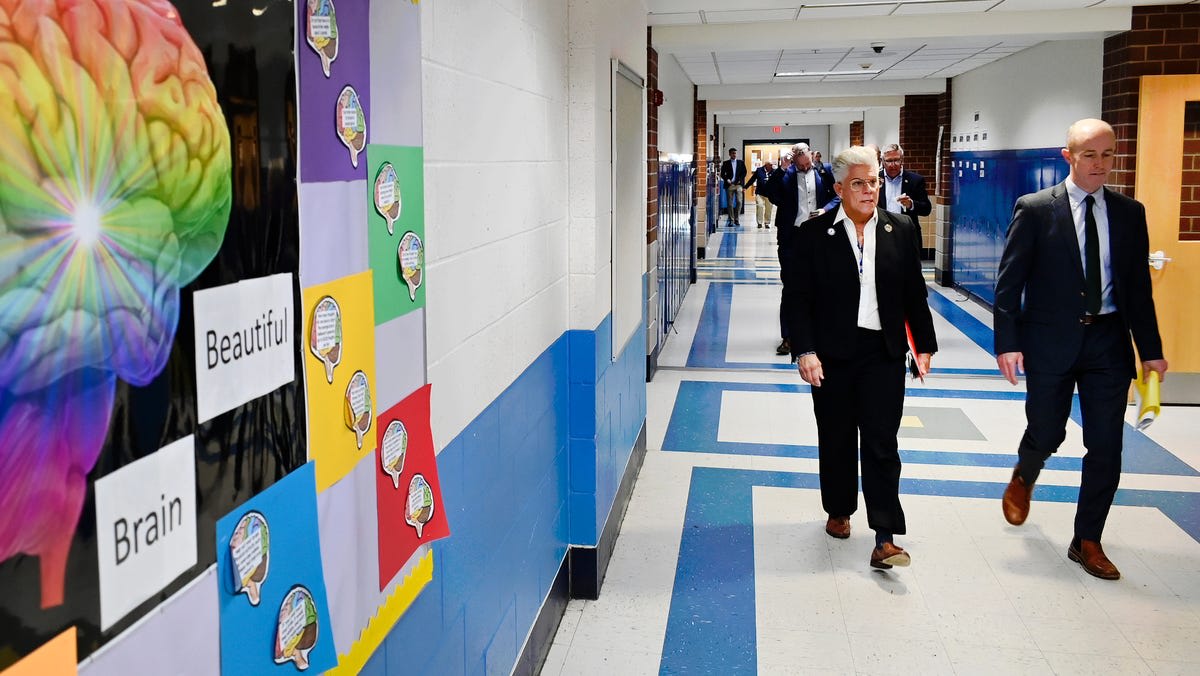
MassCEC's CEO Ben Downing chose Greene for the April 10 announcement because of what it represents: a Gateway City school serving students who deserve the same quality learning environments as wealthier districts. The $52.2 million awarded across 18 projects this funding cycle proves that commitment is real.
These upgrades also keep Massachusetts on track to reach net zero emissions by 2050, turning everyday school operations into climate solutions.
Based on reporting by Google News - Clean Energy
This story was written by BrightWire based on verified news reports.
Spread the positivity!
Share this good news with someone who needs it