Family Bonds Saved Children's Lives During Slavery
New research reveals how mothers, grandmothers, and extended family literally meant the difference between life and death for enslaved children in 19th century Suriname. The findings honor the strength of family ties that helped communities survive unimaginable hardship.
Scientists have proven what generations knew in their hearts: family love kept children alive through slavery's darkest days.
Researchers at Radboud University analyzed records from over 19,000 children born into slavery on Surinamese plantations between 1830 and 1863. What they discovered celebrates the incredible power of family bonds in the face of unthinkable cruelty.
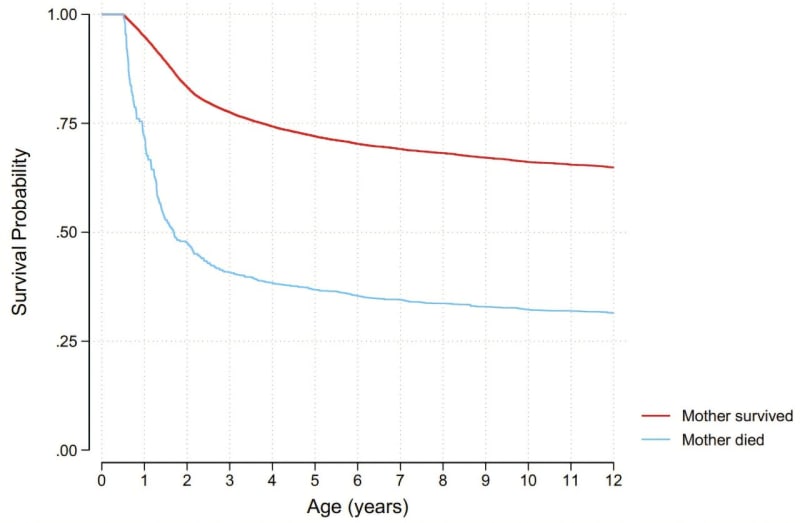
The numbers tell a story of love and survival. Infants whose mothers died in their first year were six times more likely to die themselves. During those critical first 18 months when breastfeeding protected against disease, mothers were irreplaceable.
But the circle of protection extended beyond mothers alone. Once children reached toddlerhood, grandmothers became lifelines, significantly boosting survival rates between ages one and five. Aunts and uncles joined this network of care, each family member adding another layer of safety.
Historian Björn Quanjer explains the discovery's significance. "We always knew family mattered, but now we can prove that family ties literally made the difference between life and death," he says. The larger the family cluster, the better children's chances of survival.
The research team used volunteer-transcribed slave registers from the Historical Database of Suriname and the Caribbean. Hundreds of citizen scientists helped unlock these stories by carefully documenting historical records.
Why This Inspires
This research does more than reveal historical facts. It honors the strength and resistance of enslaved people who protected their children against impossible odds.
Co-author Matthias Rosenbaum-Feldbrügge notes that grandmothers helped with care, nutrition, and protection in conditions designed to break communities apart. Every act of family care became an act of defiance.
The legacy continues today. "You see that then, and you still see it now in Surinamese communities," Quanjer observes. "Even under the terrible conditions of slavery, family was a form of resistance. Together, you could survive."
The research team plans to expand their work using civil registries from after 1863, which recorded fathers more systematically. This will paint an even fuller picture of how families persevered.
These findings remind us that love and kinship have always been humanity's greatest survival tools, even in our darkest chapters.
More Images
Based on reporting by Phys.org
This story was written by BrightWire based on verified news reports.
Spread the positivity!
Share this good news with someone who needs it