Farm Boy Built Telescope from Car Parts, Discovered Pluto
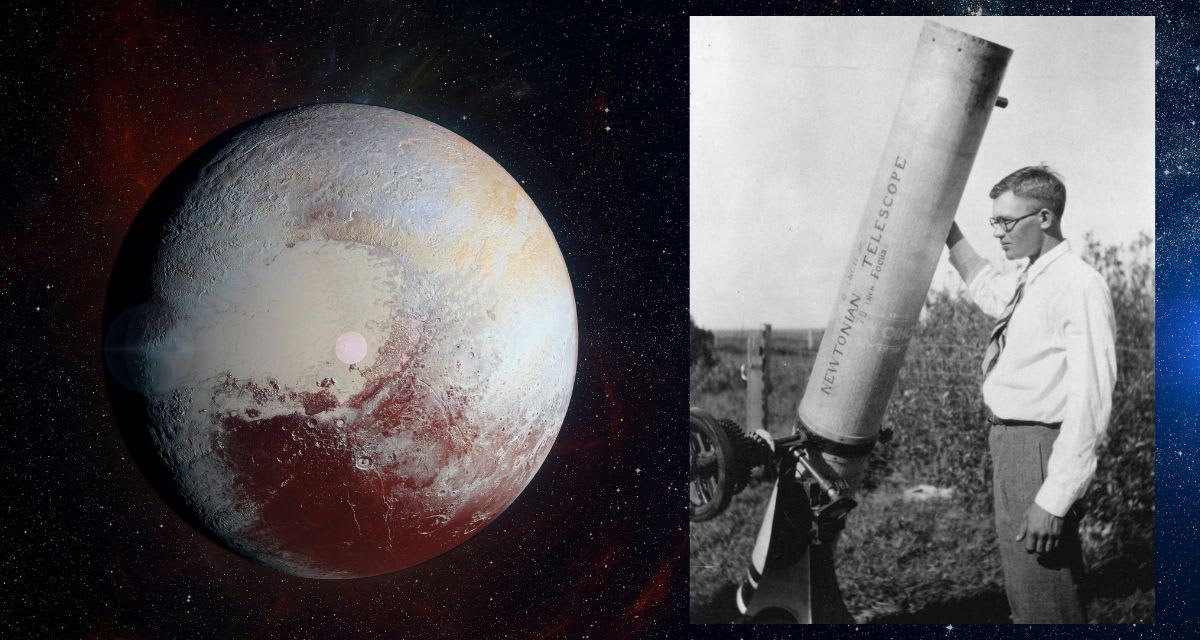
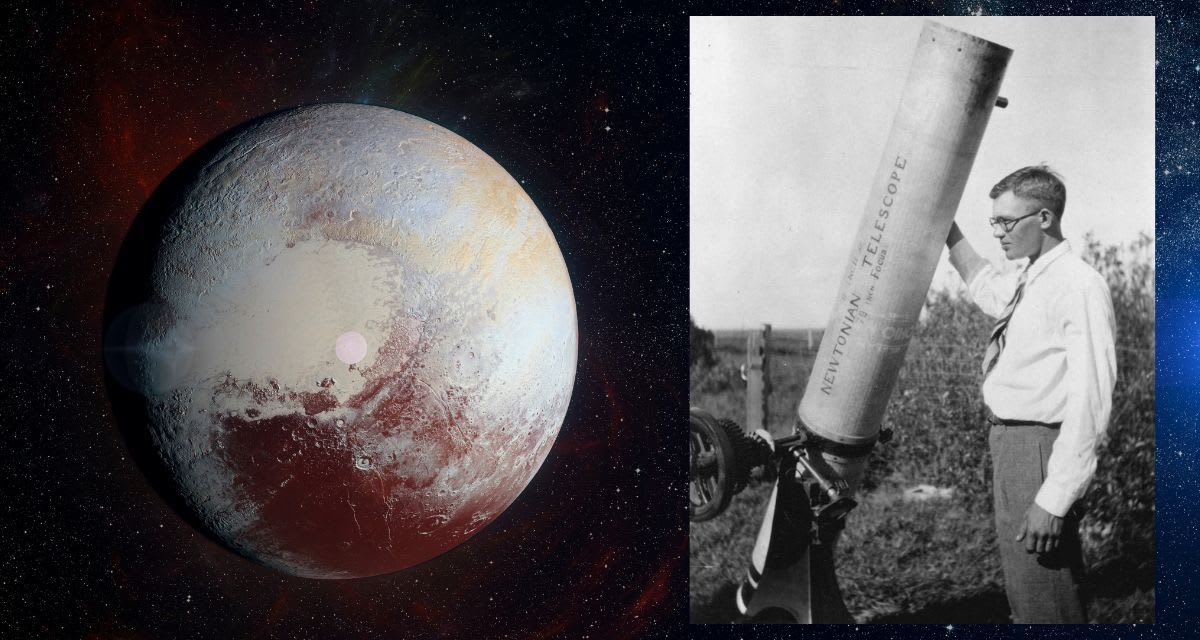
When hailstorms destroyed his college fund in 1928, Clyde Tombaugh built a telescope from Buick axles and grain elevator scraps. Two years later, he discovered Pluto.
Clyde Tombaugh never stopped looking up, even when life kept pulling him down to Earth.
The Kansas farm boy fell in love with astronomy at age 12, but his family couldn't afford a proper telescope. Bad harvests forced him to drop out of high school in 1920 to save the farm. Then in 1928, a hailstorm wiped out their crops and his college dreams in one afternoon.
Most people would have given up. Tombaugh grabbed his father's old Buick parts instead.
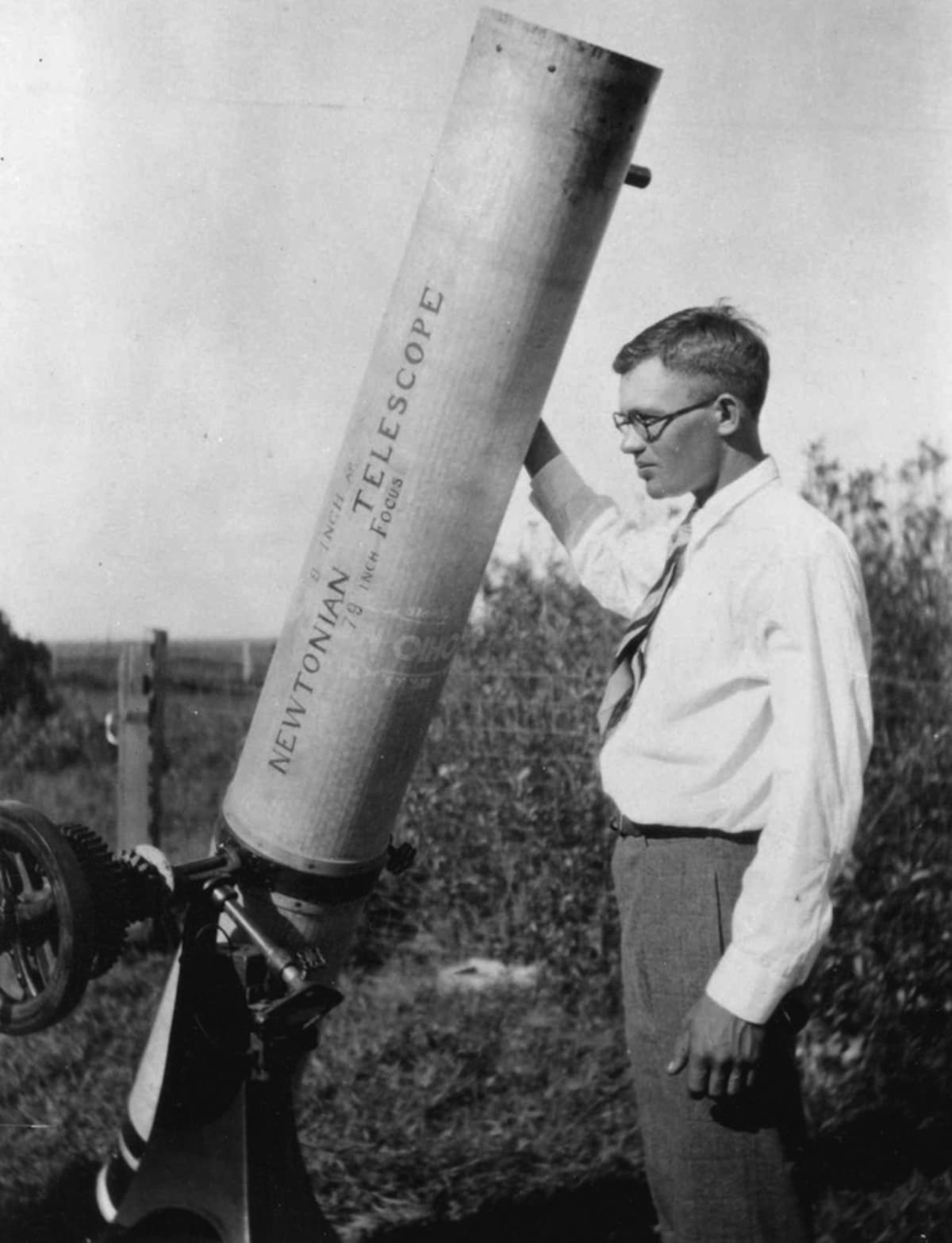
He spent two years building a telescope from whatever he could find around the farm. The device used an axle from the Buick, metal tubes from a grain elevator, an outdoor faucet, and random machine gears. It shouldn't have worked, but it did.
Tombaugh used his homemade telescope to observe Mars and Jupiter, then sent his drawings to Lowell Observatory in Arizona hoping for feedback. They sent him a job offer instead.
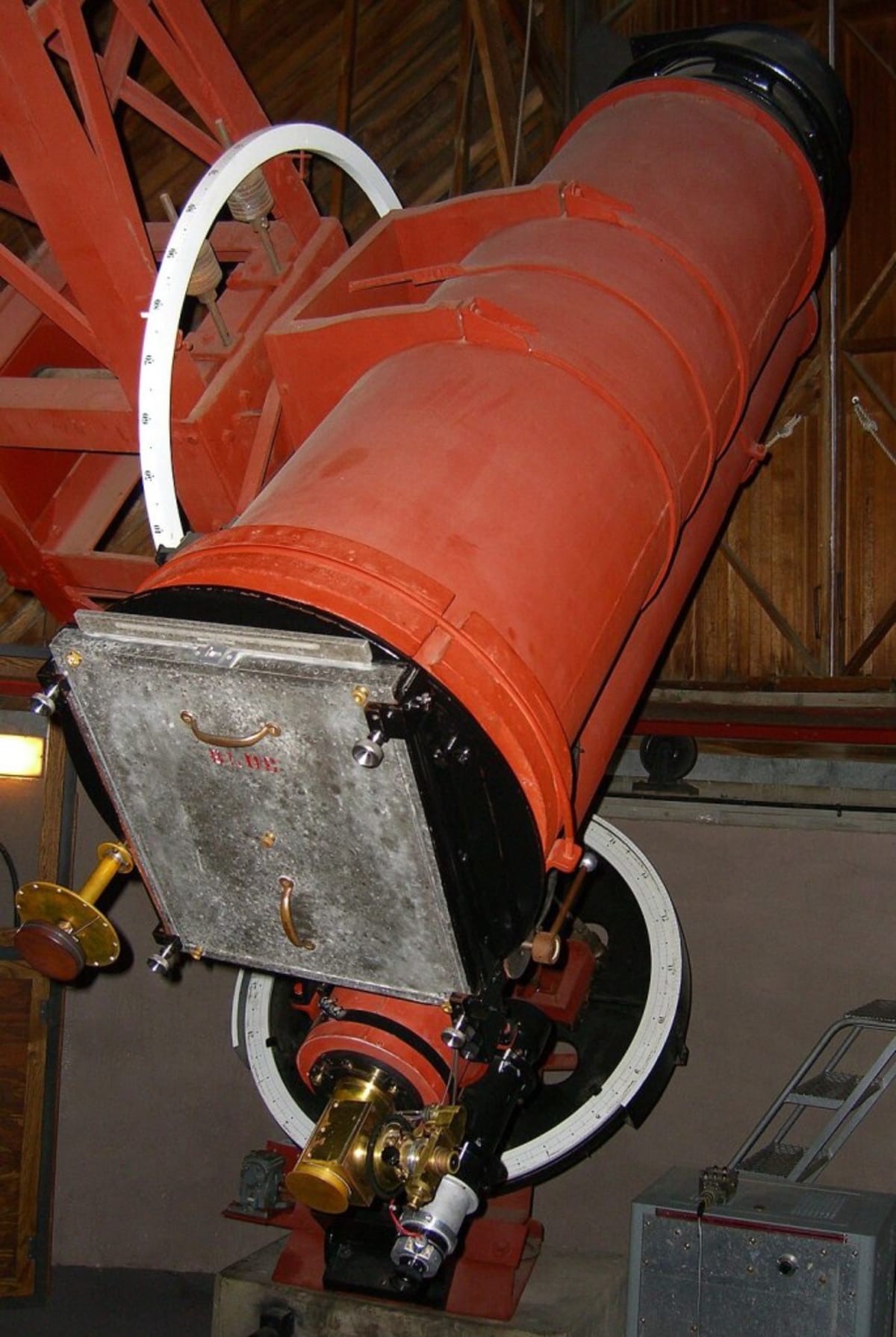
By 1929, the 23-year-old was searching for Planet X, a mysterious world thought to be lurking at the edge of our solar system. He photographed the same patches of sky on different nights, then used a device called a blink comparator to spot anything that moved among millions of stars.
On February 18, 1930, Tombaugh found it. A tiny dot that had shifted position between photos. The elusive ninth planet.
An 11-year-old girl from England named Venetia Burney suggested the name Pluto, honoring both Greek mythology and observatory founder Percival Lowell's initials. Her entry beat 1,000 other submissions worldwide.
Tombaugh went on to discover asteroids, star clusters, and more during a career spanning decades at New Mexico State University. When Pluto was reclassified as a dwarf planet in 2006, his achievement remained unchanged.
Why This Inspires
The most powerful part of Tombaugh's story isn't just what he found, but what he refused to lose. Poverty tried to stop him. Failed crops tried to stop him. A high school diploma he couldn't finish tried to stop him.
Instead of giving up, he built what he needed from what he had. That scrappy telescope now sits in Lowell Observatory as a reminder that the tools don't make the discovery. The determination does.
When NASA's New Horizons spacecraft reached Pluto in 2015, it carried a vial of Tombaugh's ashes. The farm boy who couldn't afford college came closer to his discovery than any human ever will. A heart-shaped region on the dwarf planet bears his name today.
Sometimes the distance between ordinary and extraordinary is simply refusing to stop searching.
More Images

Based on reporting by Upworthy
This story was written by BrightWire based on verified news reports.
Spread the positivity!
Share this good news with someone who needs it