Farming Programs That Help Nature Also Help Farmer Mental Health
A new study from Ireland and France shows that well-designed environmental farming programs boost farmer mental health through nature connection and peer support groups. Researchers say mental wellbeing should become a core measure of success for these agricultural schemes.
Farmers who participate in environmental programs report feeling calmer, more purposeful, and less isolated when the schemes include time in nature and regular group discussions with peers.
Trinity College Dublin researchers studied agri-environment schemes in France and Ireland, programs that pay farmers to adopt practices that help biodiversity and fight climate change. They discovered something surprising: how these programs are designed can significantly impact farmer stress levels and mental health.
The study, published in Sustainability, found that farmers felt real pride when they could see environmental improvements on their own land. Watching wildlife return or landscapes become healthier gave them a strong sense of purpose and achievement.
"When farmers could see positive environmental change happening on their own farms, it gave them a real sense of purpose and satisfaction," said Charlotte Blanc, the study's lead author. Agricultural advisors reported that this reconnection with nature provided farmers with calm and motivation that contrasted sharply with typical farming pressures.
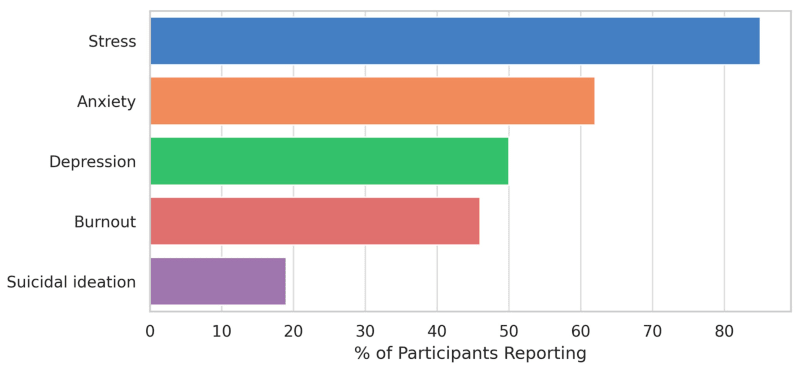
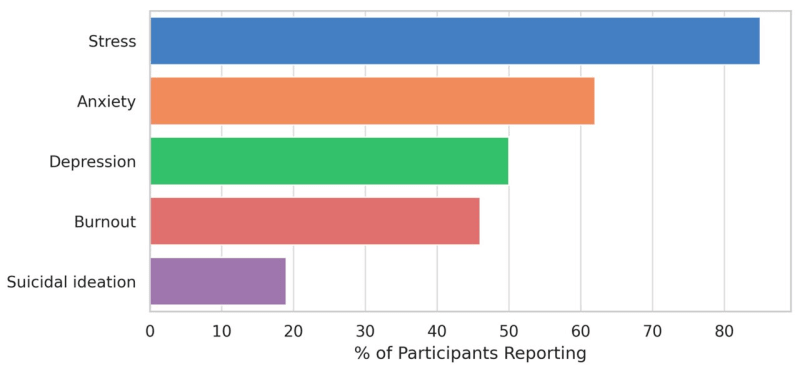
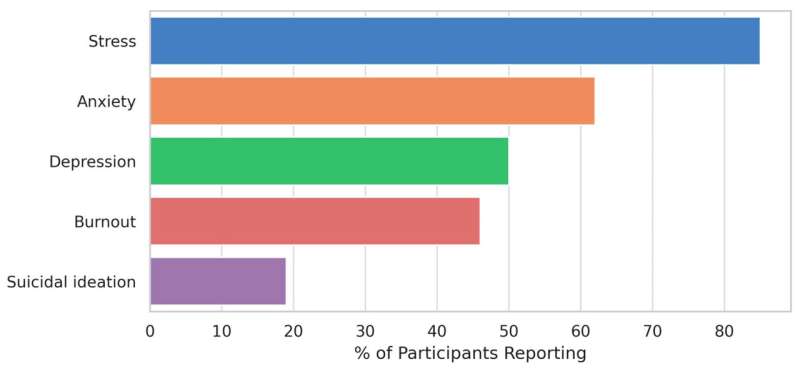
However, the research also revealed persistent challenges. Many farmers work alone, feel disconnected from their peers, and lack safe spaces to discuss the pressures they face. One advisor described it bluntly: farmers feel abandoned and carry enormous expectations with little emotional support.
The Bright Side
Peer discussion groups emerged as the most powerful tool for supporting farmer mental health. Where environmental programs included regular group meetings, farmers felt more confident, supported, and connected.
"The discussion groups are more than educational, they're therapeutic," one Irish advisor told researchers. These gatherings let farmers share experiences, learn from each other, and realize they're not facing challenges alone.
Professor Patrick Morrissey, who co-authored the study, believes this discovery should reshape how agricultural programs are designed. "Our findings suggest that the way schemes are structured can influence stress levels, confidence, and feelings of connection or isolation among farmers," he said.
Currently, mental health impacts are rarely measured in environmental farming programs, despite growing concern about farmer stress. The research team argues that wellbeing should be treated as equally important as environmental and economic outcomes.
"Mental health is one of the three pillars of sustainability, yet it's largely absent from how agri-environment schemes are assessed," Morrissey added. The researchers recommend that isolation, peer support, and wellbeing indicators become standard measurements for these programs.
As agriculture faces mounting climate, economic, and policy pressures, the study makes a clear case: supporting farmer mental health isn't optional, and helping the people who care for the land is just as important as helping the land itself.
More Images


Based on reporting by Medical Xpress
This story was written by BrightWire based on verified news reports.
Spread the positivity!
Share this good news with someone who needs it