Faroe Islands' Mystery GPS Adventures Fight Travel Burnout
The Faroe Islands now offers 45 surprise driving routes where locals pick your destinations and you don't know where you're going until you arrive. It's the perfect antidote to over-researched trips that feel familiar before you even land.
Ever scrolled through so many travel photos that your dream destination feels boring before you even get there? The Faroe Islands just solved that problem with mystery road trips designed by locals.
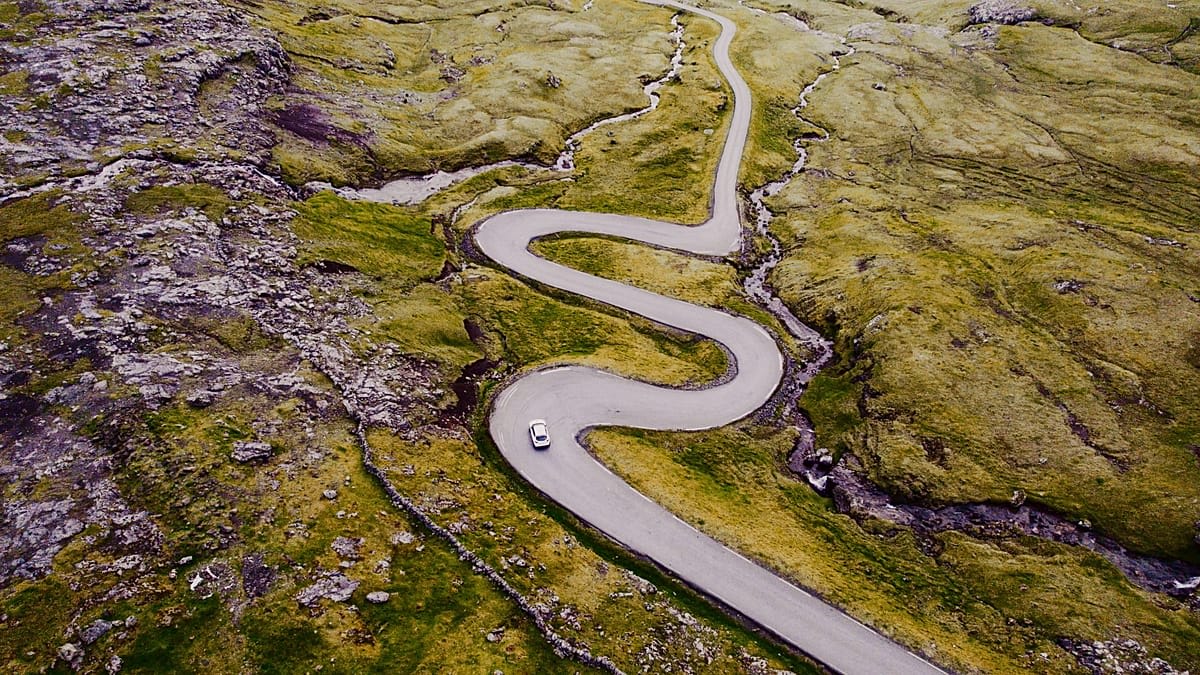
Here's how it works: you hop in a car, turn on the GPS, and let it guide you to four to six secret spots over three to six hours. You won't know where you're headed until you arrive at each location.
The archipelago launched the self-navigating car adventures last summer with 30 routes. Now they've expanded to 45 itineraries, with extra stops added to existing paths.
The best part? No two travelers on the road at the same time get the same route. You'll never feel like you're following the Instagram crowd to the same old spots everyone's already seen.
"We're really just asking travellers to let go of control for a moment," says Marta Káradóttir, project manager behind the initiative at Visit Faroe Islands. "When you don't know what's around the next corner, you open yourself up to something completely different."
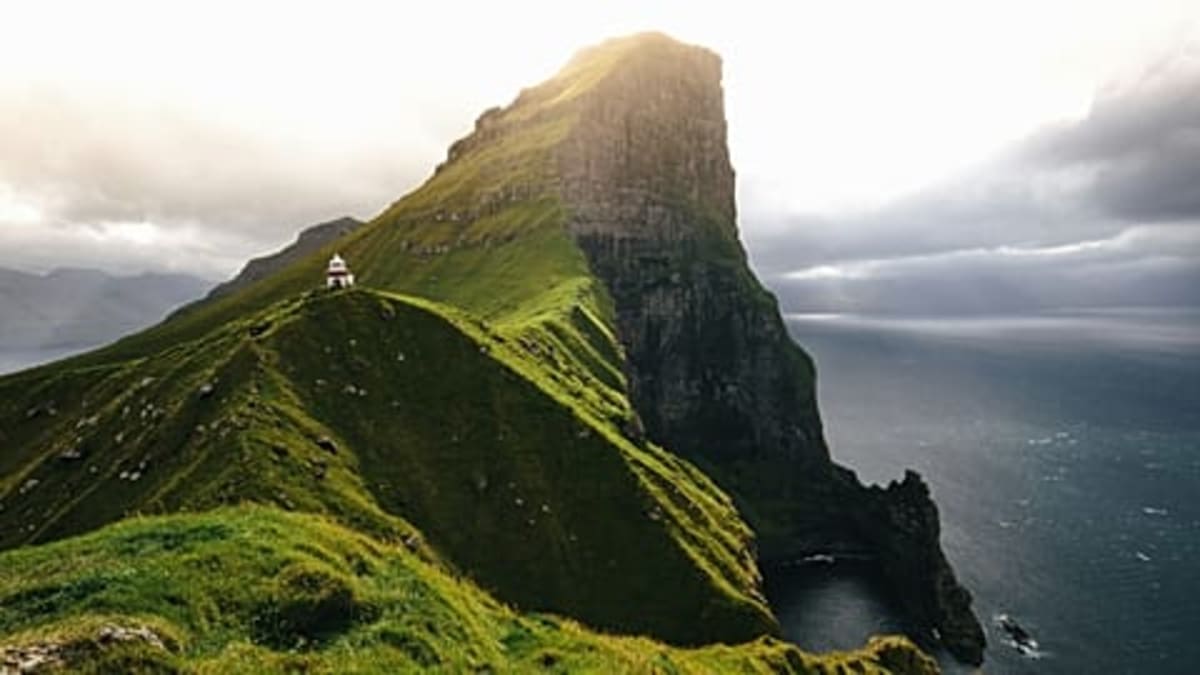
The mystery stops range from centuries-old turf-roofed churches to remote swimming pools tucked into tiny villages. You might find yourself hiking among dramatic fjords, staring at one of Europe's tallest sea cliffs, or reflecting beside the serene Lake Funningsvatn.
The Ripple Effect: This initiative tackles a growing travel problem. Research earlier this year found that two-thirds of travelers arrive at destinations that already feel familiar because they've consumed so much online content beforehand. The magic of discovery gets lost in the scroll.
By handing control to locals and embracing spontaneity, the Faroe Islands is helping travelers rediscover what made exploration exciting in the first place. Other destinations struggling with overtourism and cookie-cutter itineraries are watching closely.
Getting to the remote archipelago requires either a flight to Vágar Airport through cities like Copenhagen, Oslo, or seasonally from Barcelona and Paris, or a 30-hour ferry ride from northern Denmark.
Sometimes the best adventures are the ones you can't plan.
More Images
Based on reporting by Euronews
This story was written by BrightWire based on verified news reports.
Spread the positivity!
Share this good news with someone who needs it