Father-Son Duo Breaks Drone Speed Record at 408 MPH
A South African father and son just proved what's possible with a 3D printer and determination, flying their homemade drone at a jaw-dropping 408 mph. Their achievement shows how everyday innovators are pushing technology forward in ways that could save lives.
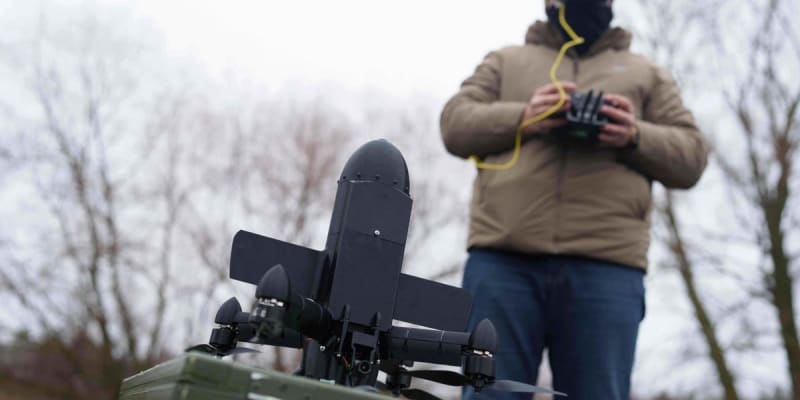
Luke and Mike Bell didn't need a fancy lab or military budget to break a world record. Using a 3D printer and parts anyone can buy online, the father-son team built a quadcopter that reached 408 miles per hour, faster than most Formula 1 race cars.
The duo achieved the new Guinness World Record on December 11, 2024, with their custom battery-powered drone called the Peregreen V4. They documented every step on YouTube, sharing their trial-and-error process with thousands of viewers who watched parts catch fire, overheat, and eventually soar to success.
This marks the third time the Bells have claimed the fastest-drone record. They've gone from 298 mph in 2024 to their current achievement, each time learning and improving their design.
Their dome-shaped drone with four propellers looks remarkably similar to interceptor drones now defending Ukrainian skies. These defensive drones chase down incoming threats at speeds currently topping out around 200 mph, and engineers are working to make them faster.
The Bells faced the same engineering challenges as military designers: overheating motors, battery limitations, and aerodynamic efficiency. Their solutions, shared freely online, demonstrate how civilian innovation can inform critical defense technology.
Why This Inspires
What makes this story remarkable isn't just the speed. It's the accessibility. A father and son in South Africa, working in their own space, achieved what seemed impossible just years ago.
Their journey wasn't smooth. Videos show repeated failures, fires, and frustrating setbacks. But they kept iterating, testing, and improving until they succeeded.
The Bells' willingness to share their entire process online means engineers and hobbyists worldwide can learn from their work. Their openness accelerates innovation for everyone, from weekend tinkerers to professionals solving real-world problems.
Ukraine's interceptor drones have already become essential for defense, with the country producing 1,000 per day. As threats evolve and attack drones get faster, innovations like the Bells' record-breaking design offer hope that defensive technology can keep pace.
The gap between hobbyist achievement and practical application is narrowing, and the Bells proved that groundbreaking innovation can happen anywhere, built by anyone willing to try.
Based on reporting by Google News - World Record
This story was written by BrightWire based on verified news reports.
Spread the positivity!
Share this good news with someone who needs it