FDA and NIH Invest $150M to Replace Animal Testing
The U.S. government just launched major initiatives to phase out animal testing in drug development, backing new methods that better simulate human biology. The FDA released new guidance while the NIH committed over $150 million to institutions pioneering alternatives.
The federal government just took a huge step toward ending animal testing in medical research, backing it up with $150 million and new guidelines to help scientists move forward.
The Department of Health and Human Services announced Wednesday that the FDA will help drug companies explore safer, more accurate ways to test medications without using animals. At the same time, the National Institutes of Health pledged over $150 million to institutions developing research methods that better mimic how human bodies actually work.
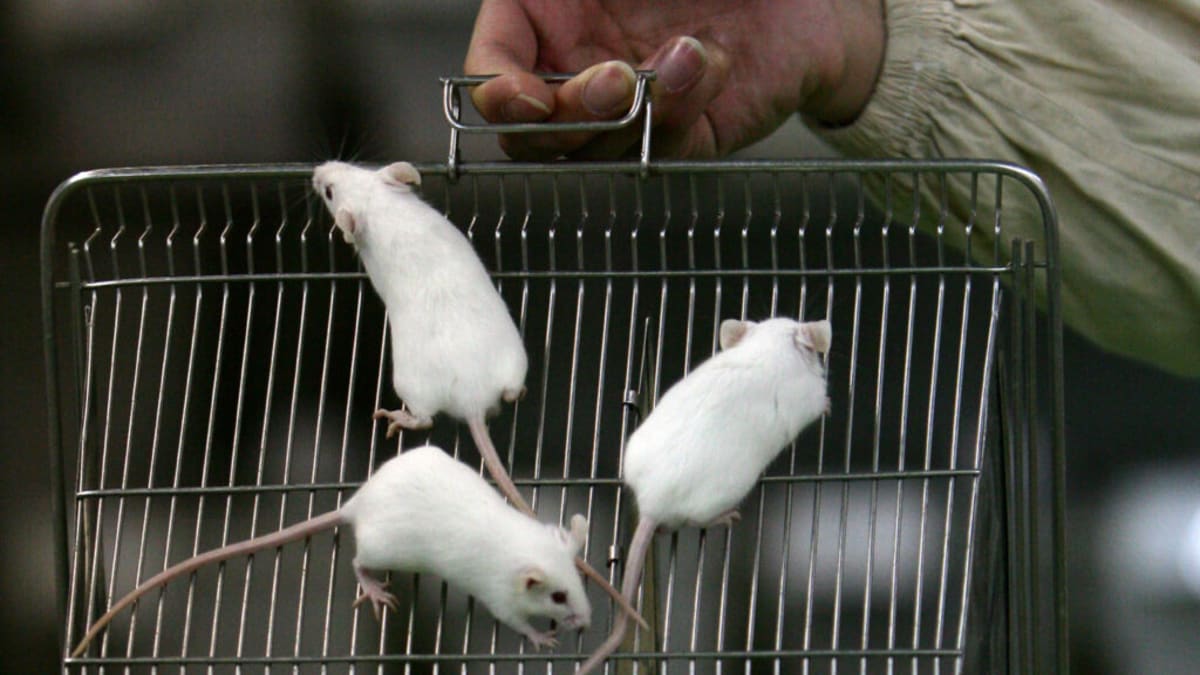
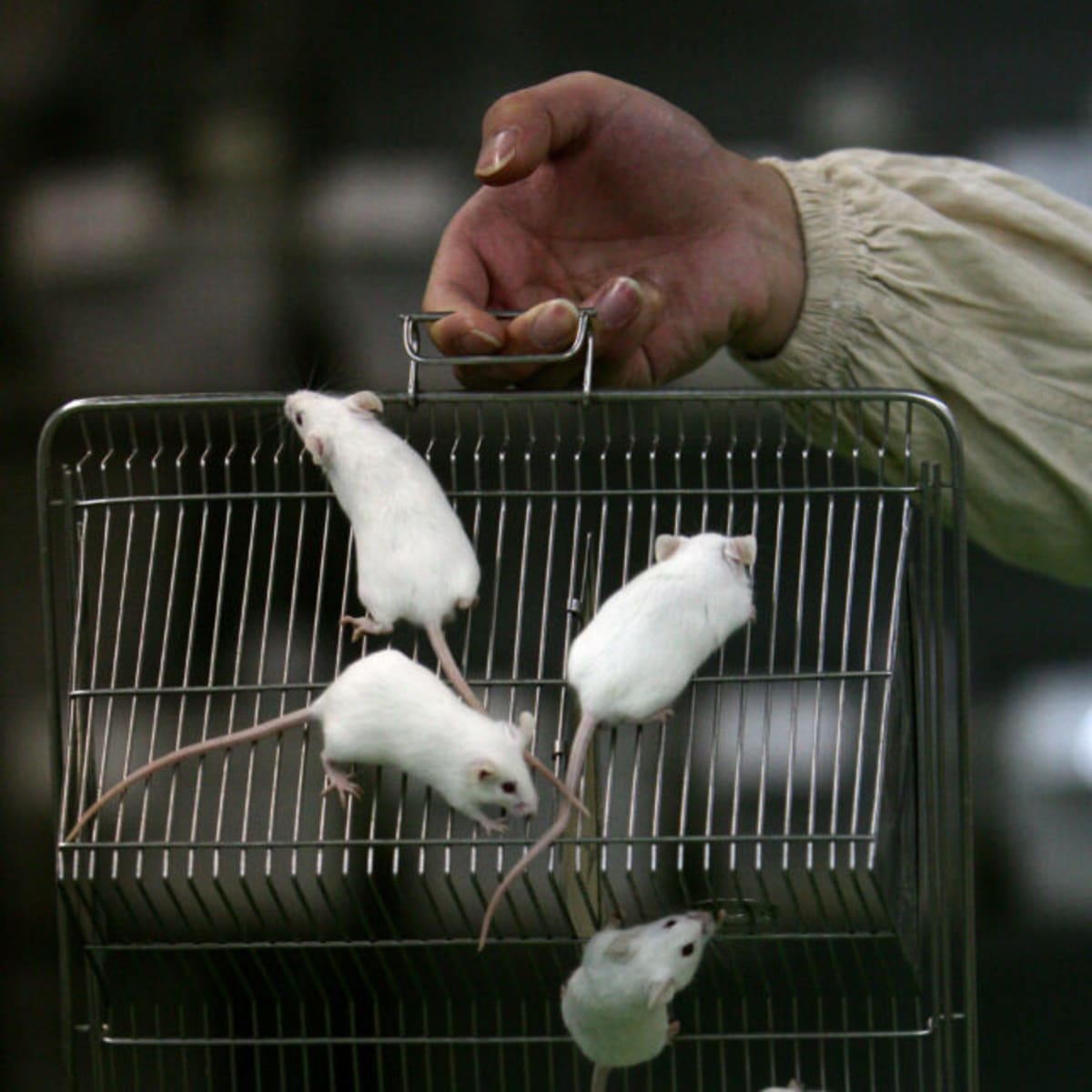
This marks a turning point in how America develops new medicines. For decades, animal testing has been the standard, but it often fails to predict how drugs will affect humans because our biology is different from mice, rabbits, and other test animals.
The FDA's new guidance gives pharmaceutical companies a clear roadmap for using alternative testing methods. These include advanced computer models, lab-grown human tissue, and other cutting-edge technologies that can predict drug safety and effectiveness more accurately than animal trials.
The government has been building toward this moment for over a year. In April 2025, the FDA announced it would phase out animal testing requirements for monoclonal antibodies, a major class of medications used to treat everything from cancer to autoimmune diseases.
A few months later, the NIH took an even bolder step by announcing it would no longer fund research projects that rely solely on animal testing. That policy shift sent a clear message to the scientific community that change was coming.
The $150 million in funding will support researchers working on breakthrough technologies like organs-on-chips, sophisticated computer simulations, and human cell-based testing systems. These methods don't just spare animals from suffering. They actually produce better data because they're based on human biology instead of trying to extrapolate from other species.
Why This Inspires
This policy shift represents years of advocacy by scientists, animal welfare groups, and patients who understand that what works in a mouse doesn't always work in a human. The government is finally catching up to what the science has been telling us: we can develop safer, more effective drugs while treating animals humanely.
The real winners here are everyone. Animals are spared from painful procedures, scientists get more accurate data, drug companies can bring medications to market faster, and patients get treatments that are more likely to work because they were tested on systems that actually resemble human bodies.
This isn't just about being kinder to animals, though that matters deeply. It's about using the best science available to develop the best medicines possible.
The United States is now leading the way in modernizing medical research for the 21st century.
More Images



Based on reporting by STAT News
This story was written by BrightWire based on verified news reports.
Spread the positivity!
Share this good news with someone who needs it