.jpg)
FDA-Approved Headset Offers New Depression Treatment at Home
A prescription headset that treats depression with gentle brain stimulation is now available in the US, offering hope to millions seeking alternatives to medication. The Flow device showed 45% remission rates in clinical trials.
Americans struggling with depression now have a new treatment option that doesn't require pills or weekly clinic visits.
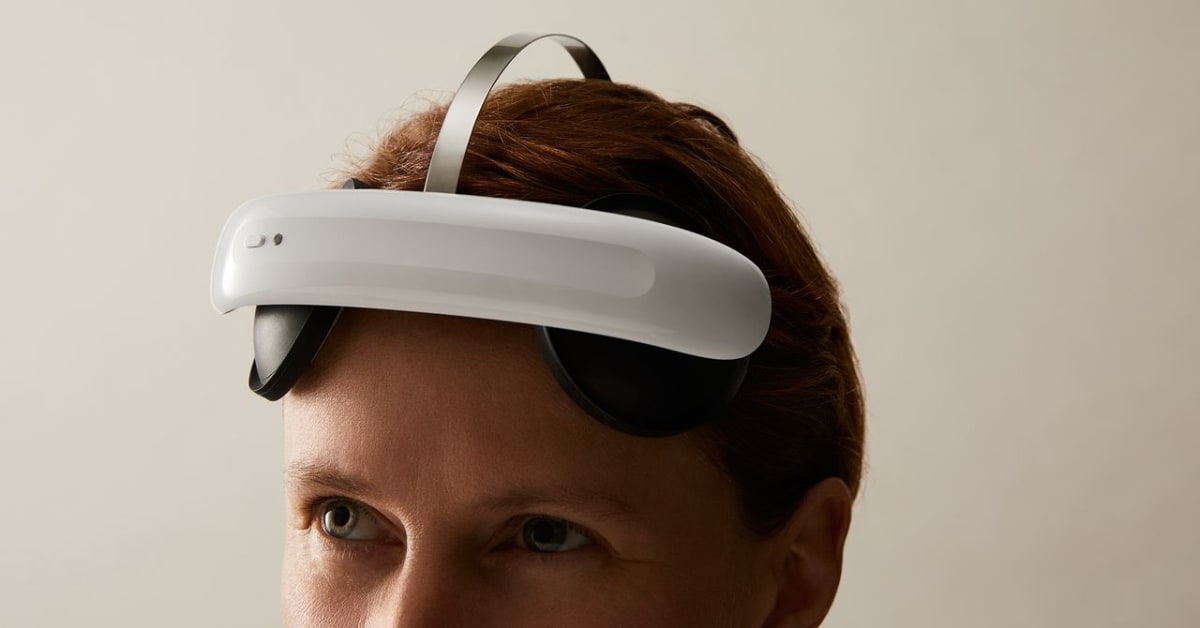
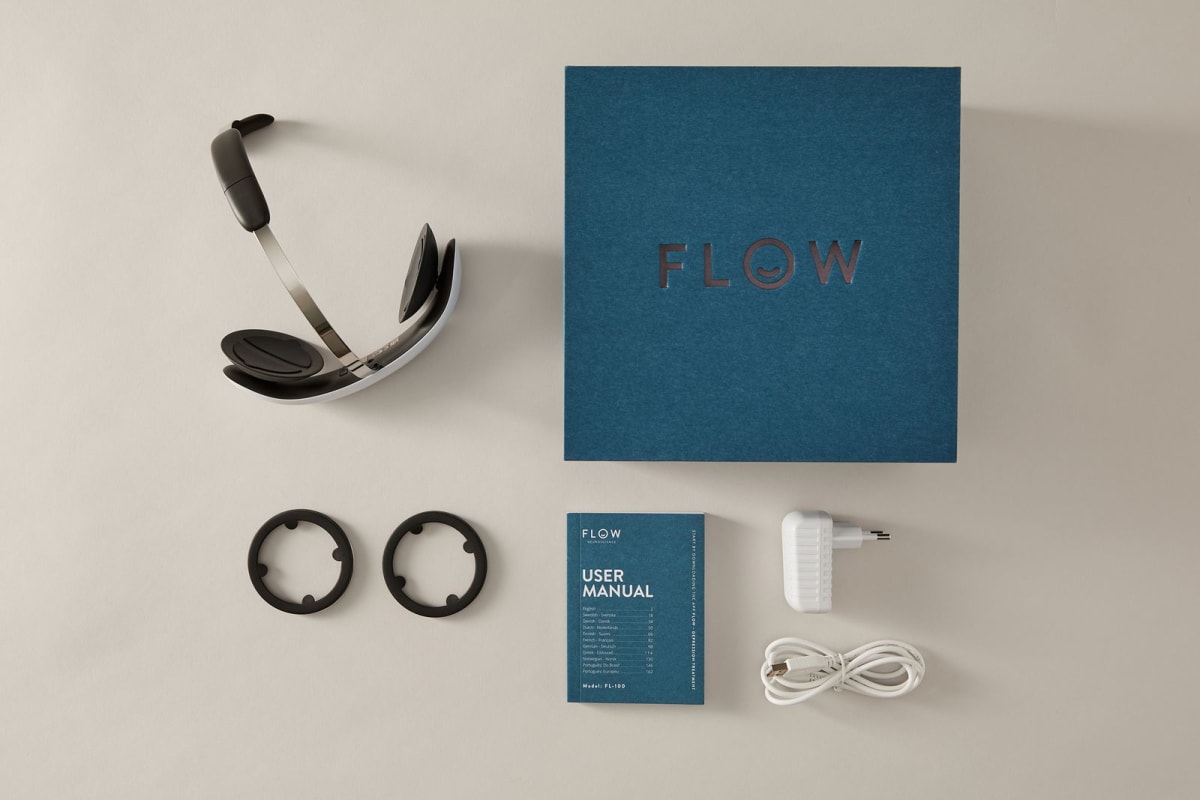
The Flow headset, approved by the FDA last December, delivers gentle electrical stimulation to the brain for just 30 minutes a day. Patients wear it at home while controlling the treatment through a smartphone app.
The device works by activating the left frontal lobe, a brain region linked to mood and emotion that tends to show lower activity in people with depression. Swedish company Flow Neuroscience designed it as an alternative to daily antidepressants, which one in six American adults currently takes.
In a clinical trial of 174 people with major depressive disorder, the results looked promising. Nearly half of those using the Flow device experienced symptom remission after 10 weeks, compared to just 22% in the control group. The study included both medicated and unmedicated participants, showing the headset can work alongside traditional treatments.
Side effects were minimal. Some users reported mild skin irritation, headaches, or temporary trouble concentrating. That's notably different from common antidepressant side effects like nausea, weight changes, and sexual problems.
The technology targets the same brain area as transcranial magnetic stimulation (TMS), an existing depression treatment. But TMS requires five clinic visits per week for several weeks and can cost up to $15,000 without insurance.
Flow CEO Daniel Månsson, a clinical psychologist, wanted to create something more accessible. More than 65,000 people across Europe have already used the device since its 2019 approval there. The UK's National Health Service is now testing it as well.
Why This Inspires
This breakthrough represents a shift toward personalized, patient-friendly mental health care. People who've struggled with medication side effects or found clinic-based treatments too disruptive finally have another path forward.
The timing matters too. With mental health challenges rising nationwide, expanding treatment options means more people can find what actually works for them. Whether someone chooses medication, brain stimulation, therapy, or a combination, having choices restores a sense of control during difficult times.
There's still a hurdle to overcome. The device costs $2,200 for the first 10 weeks, then $325 monthly, and insurance doesn't cover it yet. Flow is working to change that, which could eventually make this option available to far more people.
For now, thousands of Americans dealing with depression have something new to discuss with their doctors, and that expanded access to hope is worth celebrating.
More Images



Based on reporting by Wired
This story was written by BrightWire based on verified news reports.
Spread the positivity!
Share this good news with someone who needs it