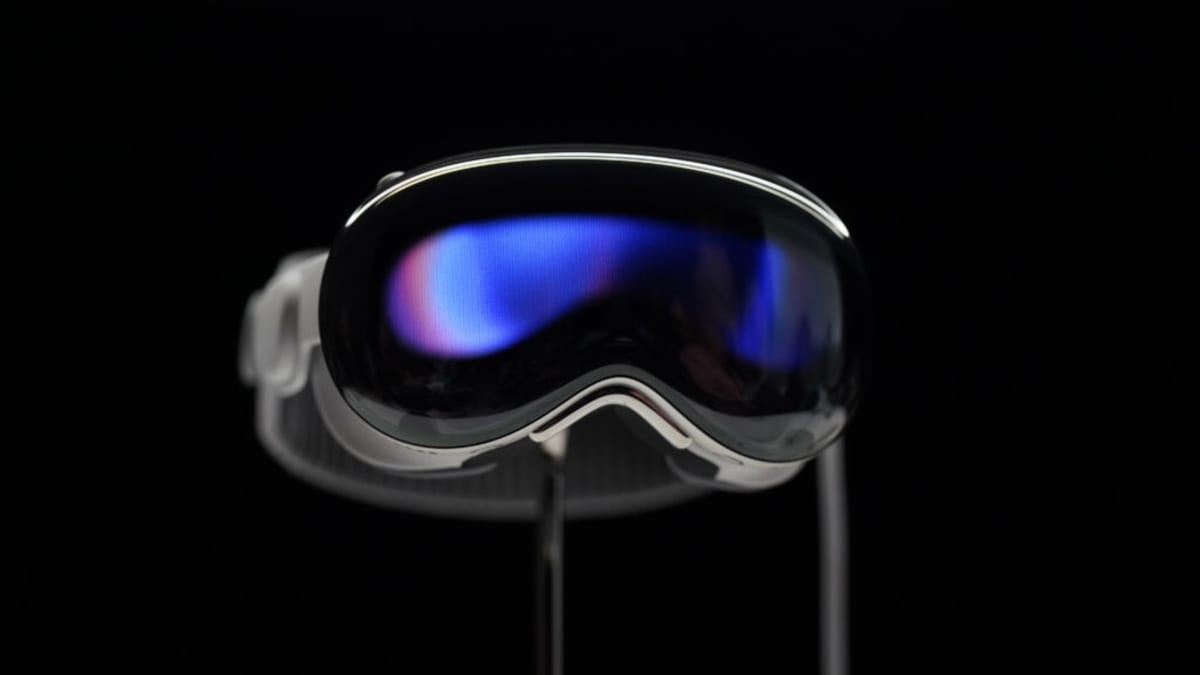
FDA Approves Apple Vision Pro for Surgery
Surgeons can now use Apple's Vision Pro headset in operating rooms after the FDA cleared Stryker's new "surgical cockpit" system. The breakthrough merges cutting-edge VR technology with life-saving medical procedures.
Surgeons just got a powerful new tool that sounds like science fiction but is very real.
The FDA has approved Stryker's innovative surgical system that uses Apple's Vision Pro headset, bringing virtual reality into operating rooms across America. The medical device giant calls it a "surgical cockpit" because it gives doctors a command center view during procedures.
The approval marks the first time consumer VR technology has been cleared for use in actual surgeries. Surgeons wearing the headset can see vital patient data, medical imaging, and surgical guidance without looking away from their work.
Stryker, a leading medical technology company, spent years developing the system specifically for surgical environments. The platform works by overlaying critical information directly in the surgeon's field of vision, similar to how fighter pilots see flight data on their cockpit displays.
This isn't about replacing surgical skill with technology. Instead, it gives experienced surgeons instant access to information they'd normally need to glance at monitors to see, keeping their focus exactly where it needs to be.
The timing couldn't be better for healthcare innovation. Hospitals nationwide are exploring how new technologies can improve patient outcomes while making procedures safer and more efficient.
The Ripple Effect
This approval opens doors far beyond a single product. It signals that consumer tech companies and medical device makers can work together to transform healthcare in ways we're just beginning to imagine.
Other tech giants will likely follow Apple's lead, developing medical applications for their platforms. That competition could accelerate innovation and potentially lower costs as the technology matures.
Patients stand to benefit most from this fusion of consumer tech and medical precision. Better information for surgeons during procedures could mean fewer complications, shorter surgery times, and improved outcomes.
The healthcare technology sector has been waiting for this kind of regulatory green light. Now that the FDA has shown it will approve well-designed VR systems for surgery, expect more companies to invest in developing similar tools.
Medical schools might soon add VR training to their curriculums, letting students practice procedures in virtual environments before working on real patients. The same technology that helps surgeons in the operating room could revolutionize how future doctors learn their craft.
Healthcare innovation just took a giant leap forward into the future.
More Images



Based on reporting by STAT News
This story was written by BrightWire based on verified news reports.
Spread the positivity!
Share this good news with someone who needs it