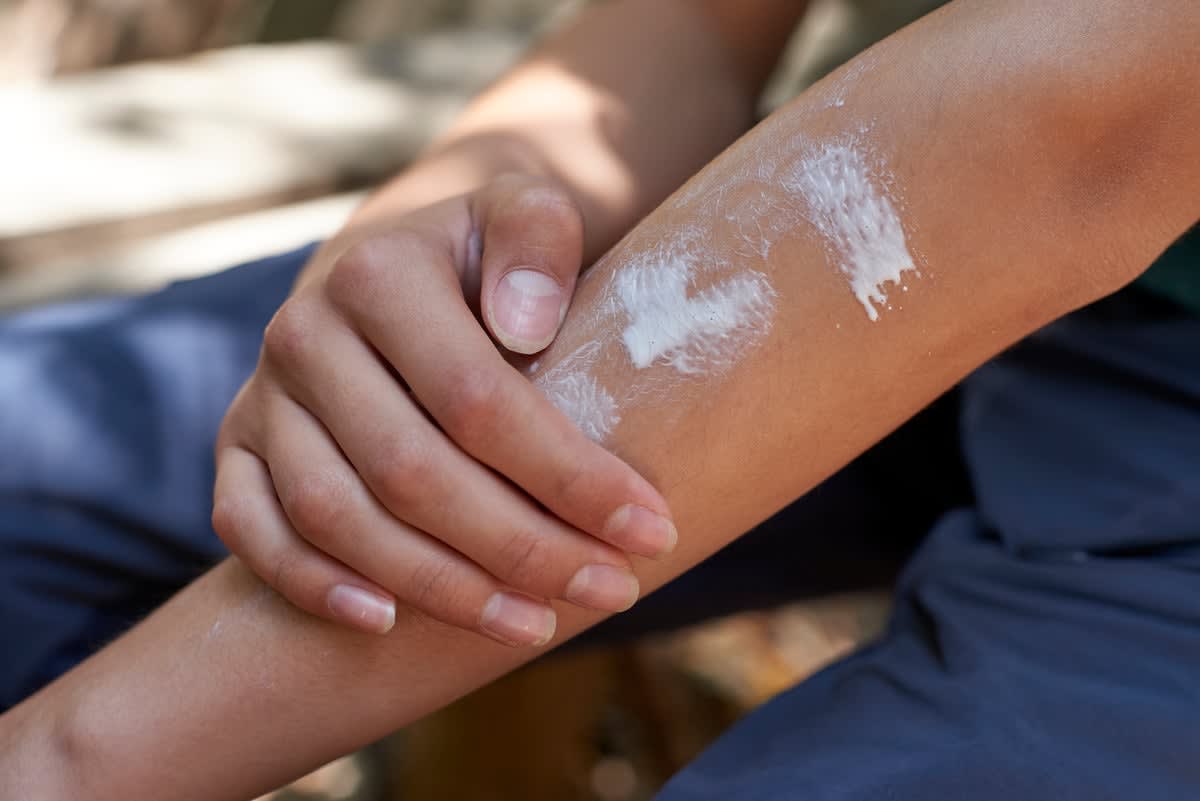
FDA Approves First New Sunscreen Ingredient in 27 Years
After decades of waiting, Americans finally have access to bemotrizinol, a powerful sunscreen ingredient that's been protecting skin in Europe and Asia since 2000. This breakthrough ingredient offers stronger protection against aging UVA rays than anything currently on U.S. shelves.
After 27 years without a new sunscreen ingredient, the FDA just approved bemotrizinol, giving Americans access to sun protection that Europeans and Asians have used for decades.
The approval means U.S. sunscreens can now catch up to the rest of the world in fighting harmful UV rays. Bemotrizinol joins 16 other approved sunscreen ingredients, though Europe still leads with over 30 approved filters.
The ingredient's journey to American shelves took nearly 21 years after its initial application in 2005. Critics say the delay left Americans with weaker sun protection, but dermatologists are celebrating the FDA's decision as a major win for skin health.
So what makes bemotrizinol special? Unlike existing chemical sunscreen ingredients that can feel oily, this new filter excels at blocking UVA rays, the deep-penetrating radiation that causes premature aging and wrinkles. Current U.S. sunscreens only offer about 24 percent of their labeled SPF protection against UVA radiation.
"What's so exciting about this new filter is that it has more coverage in that UVA spectrum," explains Dr. Saranya Wyles, a Mayo Clinic dermatologist. The ingredient absorbs UV light and converts it to harmless heat released from the skin.
Bemotrizinol also earned a safety milestone that sets it apart. It's the first and only chemical sunscreen filter to receive the FDA's "generally recognized as safe and effective" designation since 1999, putting it on equal footing with mineral sunscreens like zinc oxide.
The ingredient's molecular structure offers another advantage. Its large, light-absorbing molecules are too bulky to penetrate skin, making it safer than older chemical filters. After 26 years of real-world use across Europe, Canada, and Asia, bemotrizinol has one of the most robust safety records among all sunscreen ingredients.
The Ripple Effect
This approval opens doors for more sunscreen innovation in America. For years, U.S. consumers have fallen behind in sun protection technology while watching other countries enjoy better options. Chemist AJ Addae calls the decision "a pretty big deal" that could shift how Americans think about sunscreen safety and effectiveness.
The new ingredient also changes the conversation around chemical versus mineral sunscreens. Many people avoid chemical sunscreens over safety concerns, but bemotrizinol's safety designation proves that chemical filters can meet the highest standards. This gives consumers more choices for comfortable, effective sun protection without the white cast that mineral sunscreens often leave.
Better sunscreen means fewer sunburns, less premature aging, and ultimately, better protection against skin cancer. As more companies reformulate their products with bemotrizinol, Americans can look forward to sunscreens that work as well as those used around the globe.
After two decades of waiting, Americans finally have access to world-class sun protection that puts healthier skin within everyone's reach.
More Images


Based on reporting by Scientific American
This story was written by BrightWire based on verified news reports.
Spread the positivity!
Share this good news with someone who needs it

%2Fhttps%3A%2F%2Ftf-cmsv2-smithsonianmag-media.s3.amazonaws.com%2Ffiler_public%2F06%2F46%2F0646d94a-82ec-4948-87ef-b40f8d3de826%2Fdogs-can-distinguish-b.jpg)