FDA Approves New Drugs That Transform Heart Disease Outcome
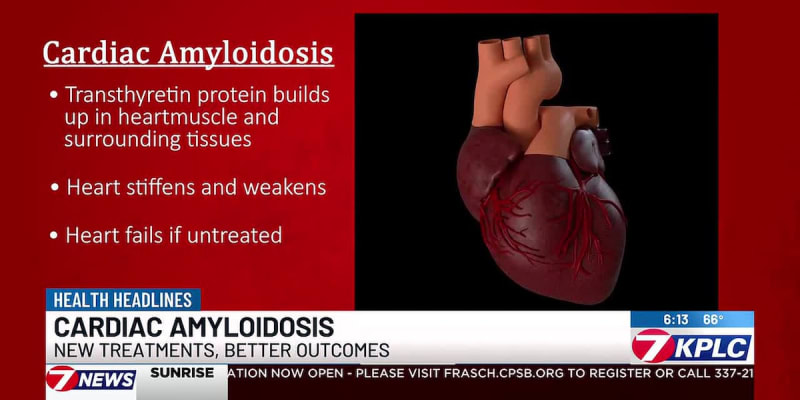
A heart condition once called a death sentence now has multiple FDA-approved treatments that are keeping patients alive and out of hospitals. Cardiac amyloidosis patients are being diagnosed earlier and living longer thanks to breakthrough medications approved in the past year.
Cardiac amyloidosis used to mean choosing between a risky heart-liver transplant or watching your heart slowly fail. Today, new FDA-approved drugs are rewriting that story entirely.
The condition affects up to 150,000 Americans when harmful proteins build up in the heart muscle, causing it to stiffen and weaken. For years, doctors had no way to slow it down.
"There was actually no treatment to slow down the process or the progression of the disease," says Dr. Marcos Hazday, medical director of inherited and acquired cardiomyopathies at AdventHealth Heart, Lung, and Vascular Institute. The New York Times once called it a death sentence.
That changed in the past year. The FDA approved several new medications called TTR silencers, which stop the liver from producing the damaging proteins in the first place.
The results are already showing up in patient outcomes. "Adverse major cardiac events are reduced, hospitalizations are reduced, and I already see it in my clinic," Dr. Hazday told reporters.
Better still, doctors are getting better at spotting the disease early. Heart failure patients with thick heart walls and preserved pumping function are now being screened for amyloidosis, catching cases that would have been missed before.
Early detection matters because these new treatments work best when started sooner. More patients are being identified while their hearts are still strong enough to benefit from medication.
Why This Inspires
This breakthrough shows how medical innovation can flip the script on diseases once considered hopeless. Patients who would have faced transplant waiting lists or declining health now have pills that let them manage their condition at home.
The disease isn't caused by lifestyle choices. Some cases are hereditary, but most develop naturally with aging, typically appearing in people's late 70s and 80s.
Beyond heart symptoms, the condition can cause carpal tunnel syndrome, nerve damage, kidney problems, and even glaucoma. Recognizing these connected symptoms helps doctors make faster diagnoses.
The goal now is awareness. The more doctors know to look for cardiac amyloidosis, the more patients can start treatment before serious damage occurs.
Dr. Hazday puts it simply: people can now die with amyloidosis instead of from it. For thousands of families watching loved ones face this diagnosis, those few words change everything.
Based on reporting by Google: new treatment approved
This story was written by BrightWire based on verified news reports.
Spread the positivity!
Share this good news with someone who needs it