FDA Clears Second Maggot Species for Wound Healing
The FDA just approved a second type of medical maggot for treating chronic wounds, giving patients more options for this proven natural therapy. A Singapore company now leads the global market for these tiny healers that clean wounds where traditional methods struggle.
When traditional medicine can't heal a stubborn wound, sometimes the best solution comes from nature's cleanup crew.
The FDA cleared a second fly species for medical use this week. The Australian sheep blowfly joins its cousin, the common green bottle fly, as an approved treatment for chronic wounds that refuse to heal.
Singapore-based Cuprina Holdings now holds FDA clearance for both species, making it the only company with this unique position. The approval strengthens a treatment that's been quietly helping patients for decades, even if it hasn't won any popularity contests.
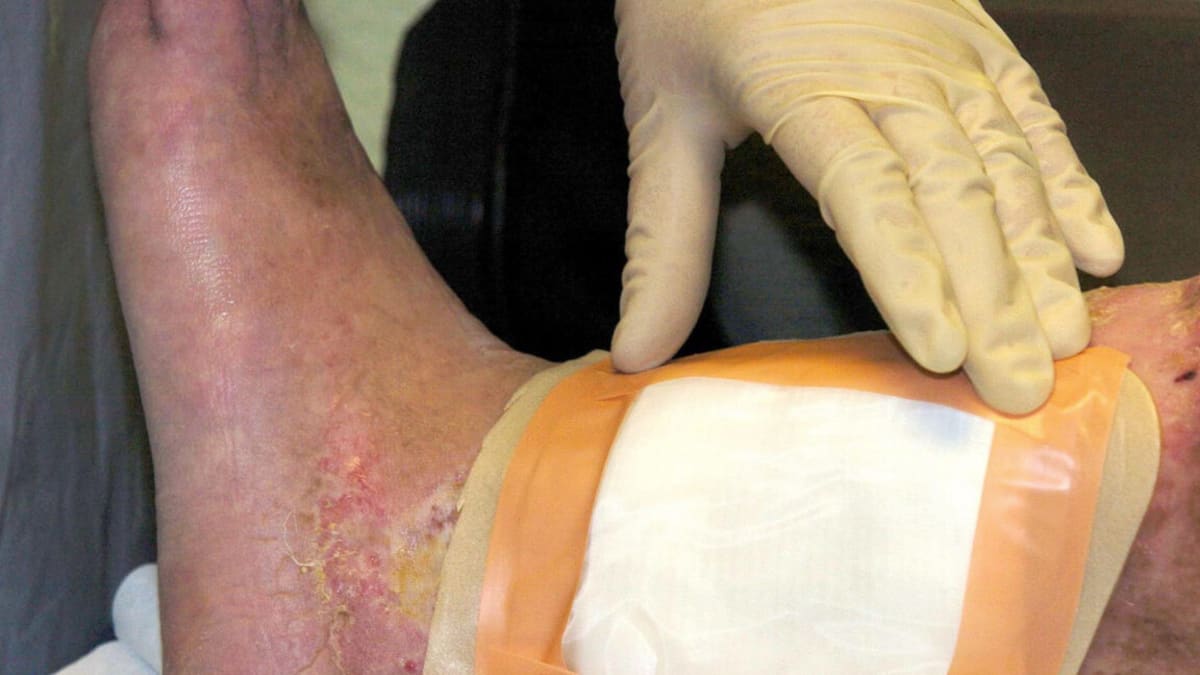
Here's how it works. Sterilized maggots are placed in wounds like diabetic ulcers. They secrete enzymes that liquify dead tissue, then wiggle through every corner of the wound to clean it out. This method can be gentler and more thorough than surgery.
The larvae also produce antibacterial compounds that fight infection and may even help new tissue grow. For patients who can't undergo surgery or haven't responded to other treatments, these tiny workers offer real hope.
Medical director Ronald Sherman, who received the first FDA clearance for maggot therapy back in 2004, sees this as progress for the entire field. The new species gives doctors and patients more flexibility in treatment options.
The two fly species fit different markets. Western wound care centers are more familiar with the green bottle fly, while the Australian sheep blowfly has an established track record in Australia, Africa, Asia, and parts of the Americas.
Small studies have shown maggot therapy is safe and effective at cleaning wounds. Chicago researchers even reported cases where accidental maggot infestations helped patients, leading to the discovery of undiagnosed cancers that the wounds had signaled.
The Bright Side
What sounds off-putting at first reveals nature's elegant solution to a serious medical problem. Chronic wounds affect millions of people with diabetes and other conditions, often leading to infections and amputations.
These medical maggots offer a natural alternative when standard treatments fail. They work efficiently, avoid the trauma of repeated surgeries, and give patients another path forward.
The therapy remains niche, partly because of the "ick factor" and partly because large clinical trials are still needed. But for patients running out of options, having access to two approved species means more treatment possibilities.
As medical science advances, sometimes the most innovative solutions come from observing what nature has been doing all along. These tiny healers bridge ancient wisdom with modern medicine, giving patients hope when wounds won't close.
More Images



Based on reporting by Ars Technica
This story was written by BrightWire based on verified news reports.
Spread the positivity!
Share this good news with someone who needs it