FDA Creates Fast Path for Kids with Rare Genetic Diseases
The FDA just unveiled a breakthrough framework that could bring life-saving gene therapies to thousands of children with rare diseases in a fraction of the time. For families who've watched their kids suffer while treatments stall, this changes everything.
Parents of children with rare genetic diseases have spent years trapped in an impossible situation: watching cutting-edge therapies exist in labs while their kids run out of time.
This week, that changed. The FDA released new guidance creating what rare disease advocate Judy Stecker calls "a third bridge" for getting personalized genetic treatments to desperately ill children.
Until now, families faced two terrible options. They could wait for traditional drug trials that cost up to $100 million and take years, which doesn't work when only a handful of kids have a specific mutation. Or they could go it alone, raising millions through bake sales and golf tournaments to fund a one-off treatment for their child.
Some succeeded through sheer heroism. In 2018, a girl named Mila became the first person to receive a custom-made genetic medicine developed in under a year. In 2025, Baby KJ got customized DNA therapy at just 6 months old, with FDA approval in one week.
But individual acts of desperation aren't a system. Thousands of children with rare diseases have been left waiting.
The FDA's new "plausible mechanism framework" solves this by treating genetic therapies more like surgical procedures than traditional drugs. Once a therapy proves safe and effective for one genetic mutation, similar versions for different mutations can be approved without starting from scratch every time.
It's the same rigorous standards, just applied in a way that makes sense for rare diseases. Think of it like proving a bridge is safe once, then allowing different vehicles to cross without rebuilding it each time.
Why This Inspires
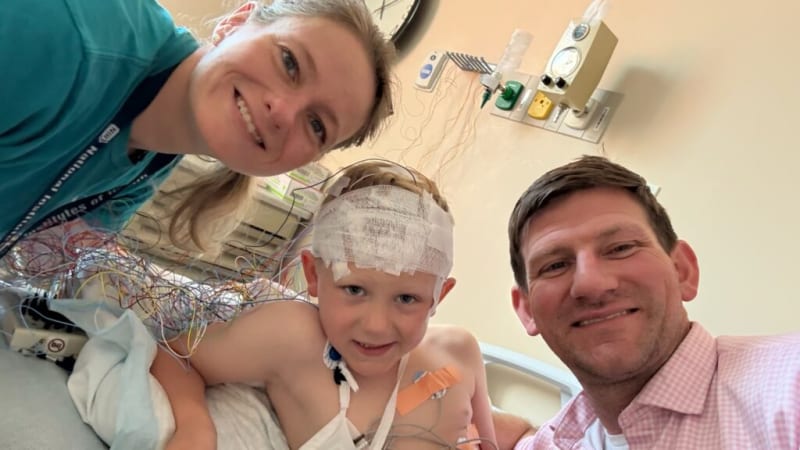
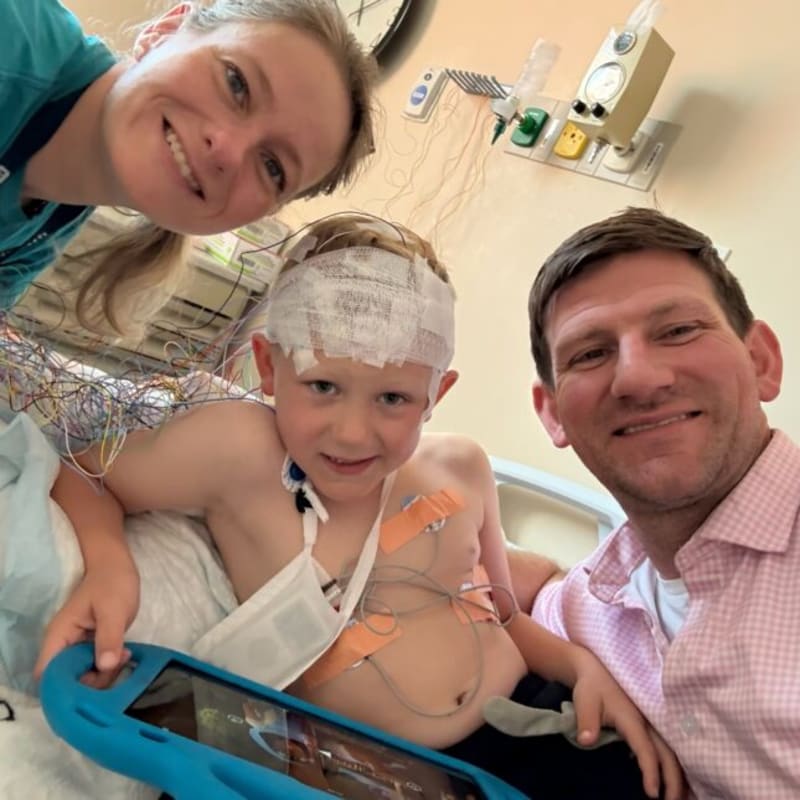
Stecker knows this fight personally. Her son Wheeler was diagnosed at 4 weeks old with CLN3 juvenile batten disease, a condition that will gradually steal his vision, memory, and mobility. Potential therapies for his disease have been shelved because traditional drug development doesn't work for ultra-rare conditions.
For years, she met with officials across multiple administrations, wrote op-eds, and shared Wheeler's story at workshops. She helped thousands of other families do the same, refusing to accept that children should die because their diseases affect too few people to interest drug companies.
Their persistence paid off. Last fall, an FDA workshop on individualized therapies hit capacity in person and drew thousands online. The message was clear: families needed a better path.
This framework is that path. It means children with different genetic mutations could access treatments under the same approval, dramatically speeding up access and cutting costs. It means data from kids like Wheeler, who's been followed by the National Institutes of Health since diagnosis, could help restart stalled research.
The guidance is in draft form for 60 days of public comment, and more work remains on data sharing and manufacturing standards. But the foundation is set for an era where no child gets left behind because their disease is rare.
For thousands of families, this isn't abstract policy but the promise of more time with their children.
More Images



Based on reporting by STAT News
This story was written by BrightWire based on verified news reports.
Spread the positivity!
Share this good news with someone who needs it