FDA Fast-Tracks AI Brain Implant for Memory Loss
A smart brain implant that learns from your own neural patterns just became the first device to receive breakthrough status for treating memory loss after traumatic brain injury. More than 4 million Americans living with TBI-related disability may finally have hope for a treatment.
Imagine losing the ability to form new memories after a brain injury, watching relationships fade because you can't remember conversations, losing jobs because you can't retain information. For 4.3 million Americans living with traumatic brain injury, this invisible disability has had no FDA-approved treatment until now.
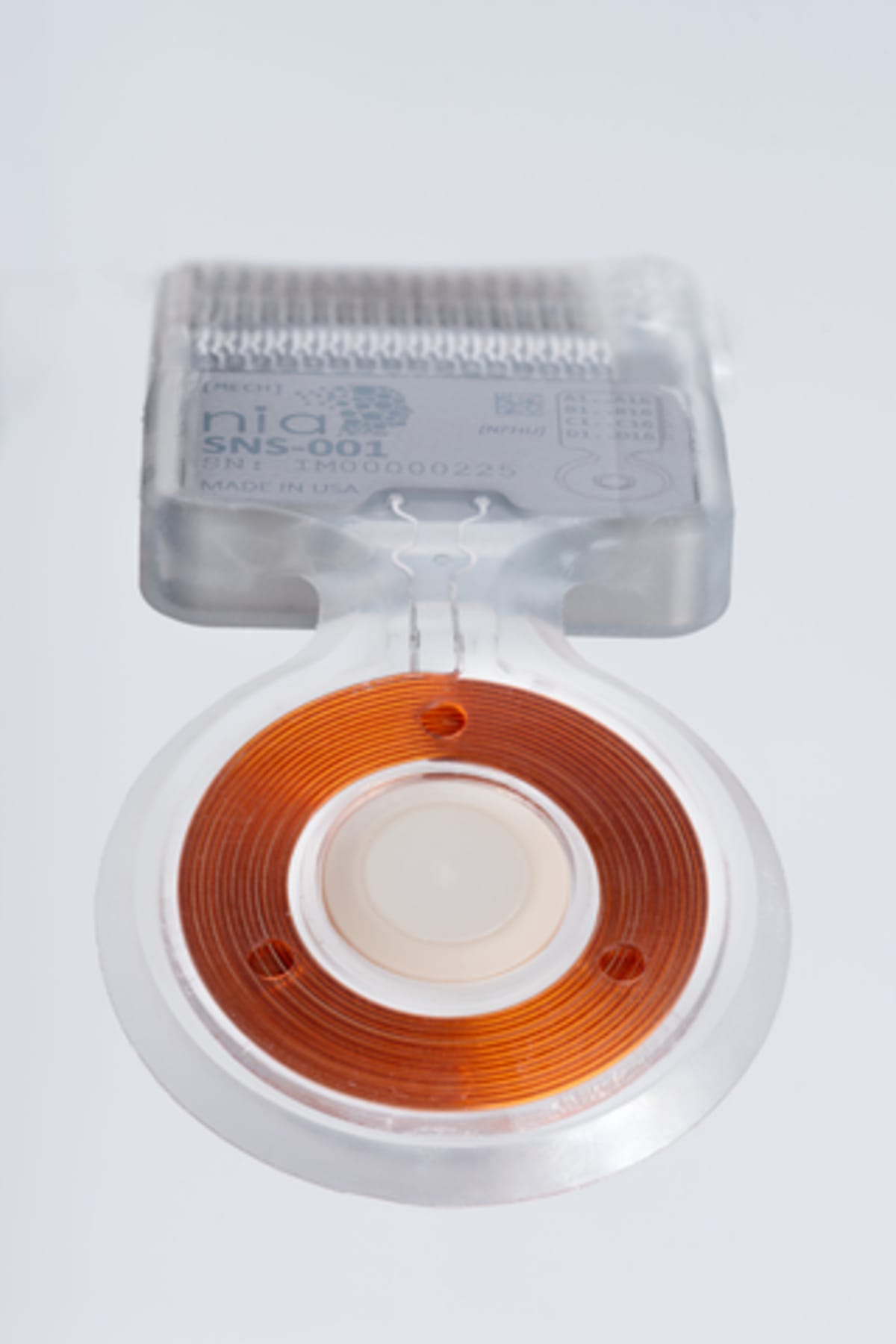
Boston-based Nia Therapeutics just received FDA Breakthrough Device Designation for its Smart Neurostimulation System, a brain implant that uses artificial intelligence to restore memory function. The device represents a decade of research finally translating into potential relief for patients who've been told nothing could help them.
Here's what makes this technology different. The implant monitors brain activity across 60 channels in four different brain regions, learning each patient's unique neural patterns. When it detects moments of impaired memory formation, it delivers precisely timed electrical pulses to the lateral temporal cortex, the brain area crucial for encoding new memories.
Timing turns out to be everything. In clinical studies with neurosurgical patients who had moderate to severe TBI, the AI-guided stimulation improved memory recall by 19%. When researchers delivered randomly timed stimulation instead, patients saw no benefit at all.
Dr. Michael Kahana, CEO and co-founder of Nia Therapeutics, spent years developing this approach at the University of Pennsylvania. "Memory can be improved by listening to the brain and stimulating at precisely the right moment," he explained. The breakthrough designation means the FDA will work closely with the company to speed this technology from laboratory to clinic.
The device's 60-channel system offers capabilities far beyond currently approved deep brain stimulation devices, which typically monitor just a few points. Memory depends on coordinated activity across widespread brain networks, so Nia built a platform that can sense and respond across the entire network.
Why This Inspires
What moves people most about this story isn't just the technology. It's the recognition of an invisible suffering that society has largely ignored. TBI-related memory loss doesn't show up on most scans. Patients look fine but can't hold down jobs, maintain relationships, or live independently.
Dr. Ramon Diaz-Arrastia, who directs the TBI Clinical Research Center at the University of Pennsylvania, captures the stakes perfectly. "Their disability is invisible but devastating," he said. This device represents the first treatment designed to directly restore the capacity to form new memories, not just manage symptoms.
The company is advancing toward human trials this year, building on successful testing in large animal models. For millions who've been waiting for any treatment option, that timeline offers genuine hope where none existed before.
More Images

Based on reporting by Google News - AI Breakthrough
This story was written by BrightWire based on verified news reports.
Spread the positivity!
Share this good news with someone who needs it