FDA Fast-Tracks Personalized CRISPR for Rare Diseases
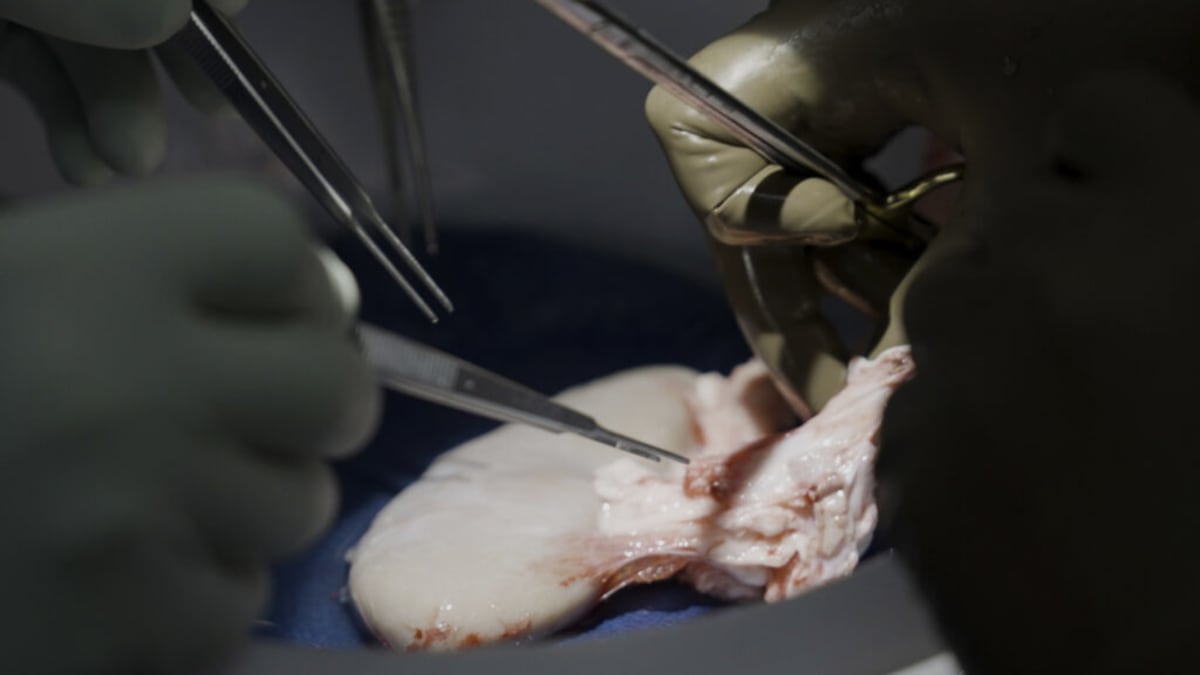
A new FDA pathway could cut the time to get personalized CRISPR treatments from four years to just three months, making life-saving gene editing accessible to thousands of children born with rare genetic diseases. Baby KJ Muldoon became the first person to receive this revolutionary treatment in February 2025.
Imagine being told your newborn has a genetic disease so rare that creating a cure just for them would cost $25 million and take four years. For 350 million people worldwide living with over 5,000 genetic diseases, that nightmare was reality until now.
In February 2025, the FDA proposed a game-changing new pathway that could transform personalized medicine. Baby KJ Muldoon from the United States became the first person to receive a CRISPR therapy custom-built for their unique genetic mutation, treating a life-threatening metabolic disorder that would have been fatal without intervention.
Here's the breakthrough: Under old rules, each personalized CRISPR treatment counted as a completely new drug requiring years of testing. That's because CRISPR works like a molecular GPS, needing a unique "guide RNA" address to find and fix each person's specific mutation.
The FDA's new approach changes everything. Drug companies can now treat many patients with different mutations in a single clinical trial, as long as they share similar symptoms like immune deficiencies or metabolic disorders. Only the first CRISPR therapy needs full testing. Subsequent treatments requiring small tweaks need just simple experiments to confirm they work.
The numbers tell the story: approval timelines could drop from four years to three months. Costs could plummet from over $25 million to under $250,000 per patient. For babies born with severe immune diseases who might only live three to six months without treatment, this speed means everything.
The Ripple Effect
This pathway does more than save individual lives. It creates a system where rare disease treatments become economically viable for drug developers. Once the first few gene editors in a trial prove successful, the FDA could approve CRISPR-on-demand, letting physicians prescribe personalized treatments as needed.
Experts recommend prioritizing severe childhood conditions where benefits clearly outweigh risks. Treating just five children with immune diseases and measuring their health six months later could provide enough evidence to approve a prescribable medicine.
The FDA is establishing dedicated rapid-review teams with expertise in genetic therapies and working closely with patient families and advocacy groups. This collaboration ensures families' voices are heard while setting clear expectations from the start.
For children facing devastating genetic diseases with no other options, hope is no longer four years away.
More Images

Based on reporting by Nature News
This story was written by BrightWire based on verified news reports.
Spread the positivity!
Share this good news with someone who needs it