FDA Panel Backs New mRNA Flu Shot After Policy Reversal
A new flu vaccine that works 27% better than standard shots won unanimous support from FDA advisors, marking a comeback after political interference nearly blocked its review. The mRNA platform could transform how we fight future flu pandemics.
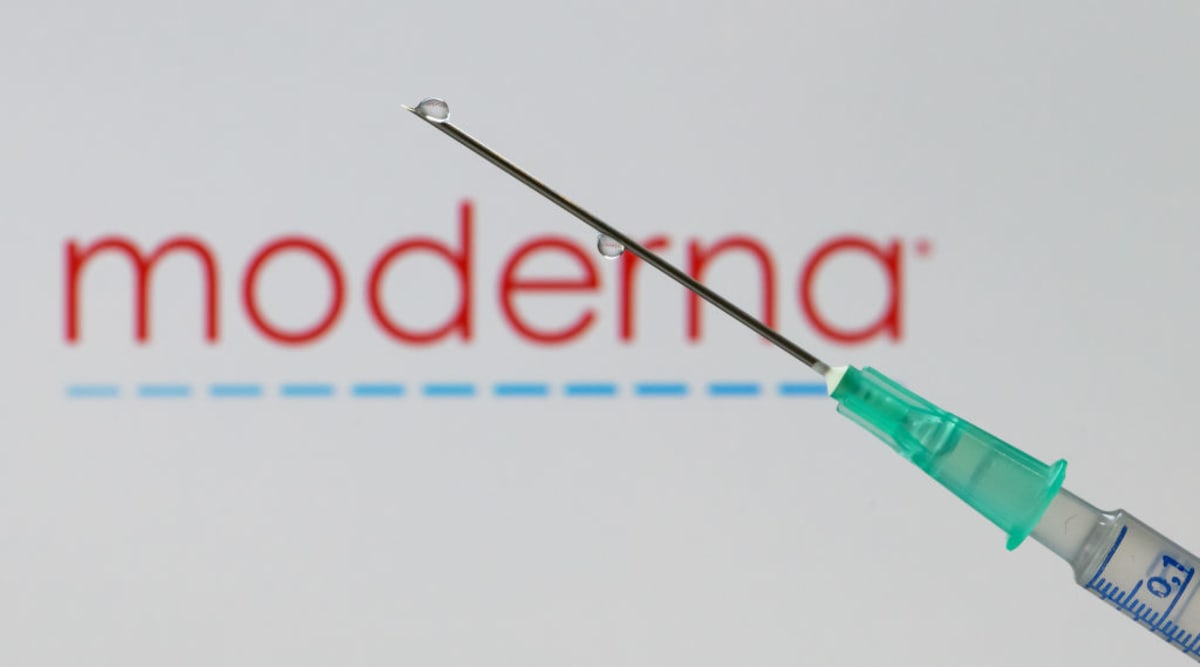
After months of controversy and uncertainty, FDA advisors voted 9-0 to approve Moderna's new mRNA flu vaccine on Friday, opening the door to a more effective seasonal shot for millions of Americans.
The vaccine, called mFluSiva, showed impressive results in trials with over 40,000 adults age 50 and older. It proved 27% more effective than standard flu shots at preventing seasonal flu. In older adults age 65 and up, it produced stronger immune responses than even high-dose vaccines currently recommended for that age group.
"The studies that were presented today were very well conducted," said Dr. Flor Munoz-Rivas, a pediatric infectious disease expert at Baylor College of Medicine who voted on the committee. The results clearly demonstrated "additional efficacy" compared to existing options.
But the path to Friday's vote was anything but smooth. In February, Trump official Vinay Prasad rejected Moderna's application without review, claiming the trials weren't adequate. He did this despite FDA scientists supporting the vaccine and Moderna following a study design the agency had previously approved.
The rejection blindsided the company and sparked widespread outcry. Within a week, the FDA reversed course and agreed to review the vaccine. Prasad left the agency in April after a series of controversial decisions.
Why This Inspires
Beyond the immediate win for flu prevention, experts are excited about what this vaccine represents for the future. The same mRNA technology that powered COVID vaccines can now be quickly adapted for emerging flu strains.
"This particular platform adds exciting ways that we can actually move our vaccines to the future," said Dr. Hayley Gans, a pediatric infectious disease expert at Stanford. The technology could help us respond faster to new flu strains or even pandemic threats.
The vaccine's safety profile looked good in trials, with no major red flags that would prevent approval.
The FDA has until August 5 to make its final decision, and Moderna hopes to launch the vaccine later this year if approved. One more hurdle remains: getting recommendations from the CDC, though that process faces its own delays due to ongoing legal battles over committee appointments.
For now, science and public health appear back on track, with a promising new tool in the fight against flu season just ahead.
More Images


Based on reporting by Ars Technica
This story was written by BrightWire based on verified news reports.
Spread the positivity!
Share this good news with someone who needs it