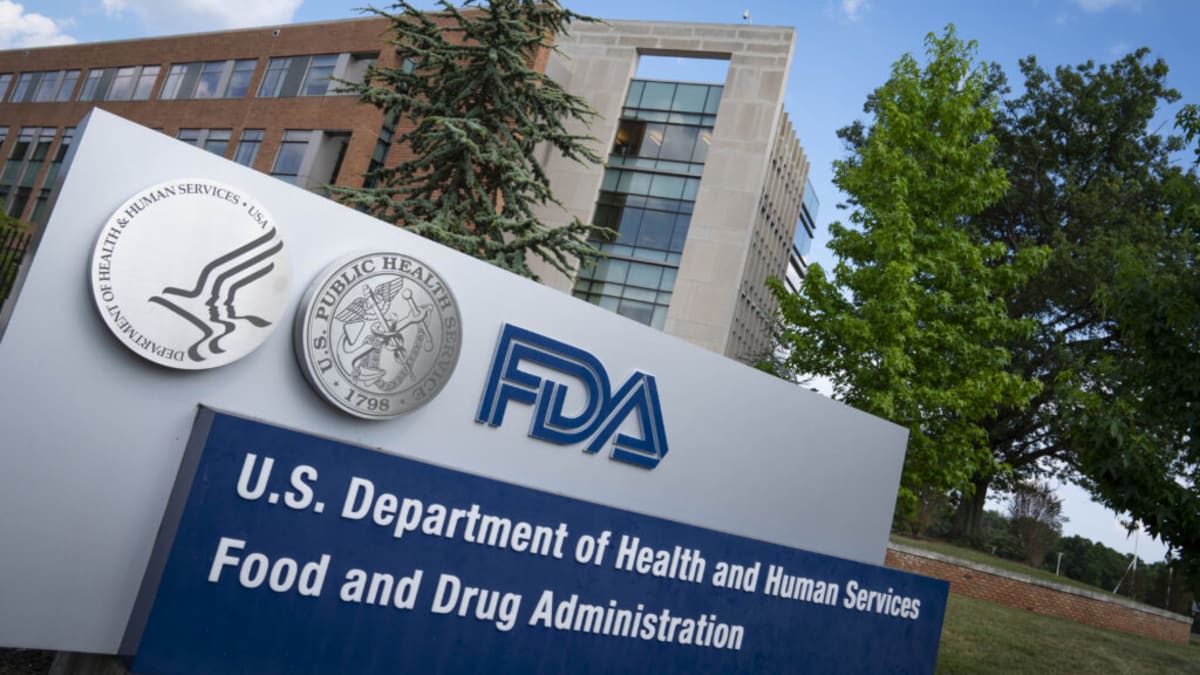
FDA Reverses Course on Rare Blood Cancer Treatment
After surprising companies with a rejection in January, the FDA has agreed that existing trial data for a rare blood cancer therapy is sufficient for approval review. The agency's reversal gives new hope to patients with limited treatment options.
Patients with a rare blood cancer just got a second chance at a potentially life-saving treatment after federal regulators reversed their earlier decision.
The Food and Drug Administration reached an agreement with Pierre Fabre Pharmaceuticals and Atara Biotherapeutics in late April, walking back its January rejection of Ebvallo, a therapy for rare blood cancer. The agency now says the companies' already completed clinical trial provides enough data to support a full review and potential approval.
The January rejection had blindsided the drug makers. The FDA's biologics center, then led by Vinay Prasad, called the same study "flawed" and said its data was "insufficient" just months ago.
The companies announced the FDA's about-face on Thursday, giving hope to patients who have few alternatives for treating this uncommon condition. Rare diseases often face unique challenges in drug development because small patient populations make traditional large-scale trials difficult or impossible to conduct.
The Bright Side
This reversal highlights an important reality in medical progress. Sometimes getting breakthrough treatments to patients who desperately need them requires flexibility and creative problem-solving from regulators.
Single-arm clinical trials, like the one Ebvallo completed, compare a treatment's results against historical data rather than using a control group receiving a placebo. For rare diseases where every patient counts, this approach can be the most ethical path forward.
The timing is notable. Prasad departed the FDA at the end of April, shortly before the agency's new position emerged. The policy shift suggests fresh eyes and renewed dialogue between the companies and regulators made the difference.
For patients and families dealing with rare blood cancers, the FDA's willingness to reconsider brings renewed optimism. Access to innovative treatments shouldn't depend on arbitrary requirements that don't account for the unique challenges of rare disease research.
The next steps involve the formal review process, which will determine whether Ebvallo meets safety and effectiveness standards for approval.
This story reminds us that progress isn't always linear, and second chances can open doors for people who need them most.
More Images



Based on reporting by STAT News
This story was written by BrightWire based on verified news reports.
Spread the positivity!
Share this good news with someone who needs it