
Fighter Pilot's 18-Month Headache Solved by New Helmet
An Indian Air Force pilot suffered debilitating headaches for 18 months and was prescribed years of migraine medication. The real culprit? His too-tight helmet.
A 29-year-old fighter pilot endured crippling headaches for a year and a half before doctors discovered the surprisingly simple cause hiding in plain sight.
The Indian Air Force pilot visited a civilian neurologist after 18 months of mysterious headaches that struck two to three times monthly. The pain was so intense that he sometimes couldn't fly scheduled missions, and flying during episodes made the next day even worse.
The civilian doctor diagnosed migraines and prescribed divalproex, warning the pilot he'd need the medication for years. Concerned about long-term drug use, the pilot sought a second opinion at a military medical facility.
Military doctors ran extensive tests including CT scans and nasal endoscopies. Everything came back normal except a slightly deviated septum, which they ruled out as too minor to cause his symptoms.
The doctors agreed with the migraine diagnosis and prescribed sumatriptan and aspirin. Four months later, the pilot was headache-free and off medication, so his superiors ordered a detailed review before clearing him for unrestricted flight status.
During three days of in-depth interviews, something didn't add up. The pilot had none of the classic migraine symptoms like nausea, vomiting, or visual auras, and sleep provided no relief.
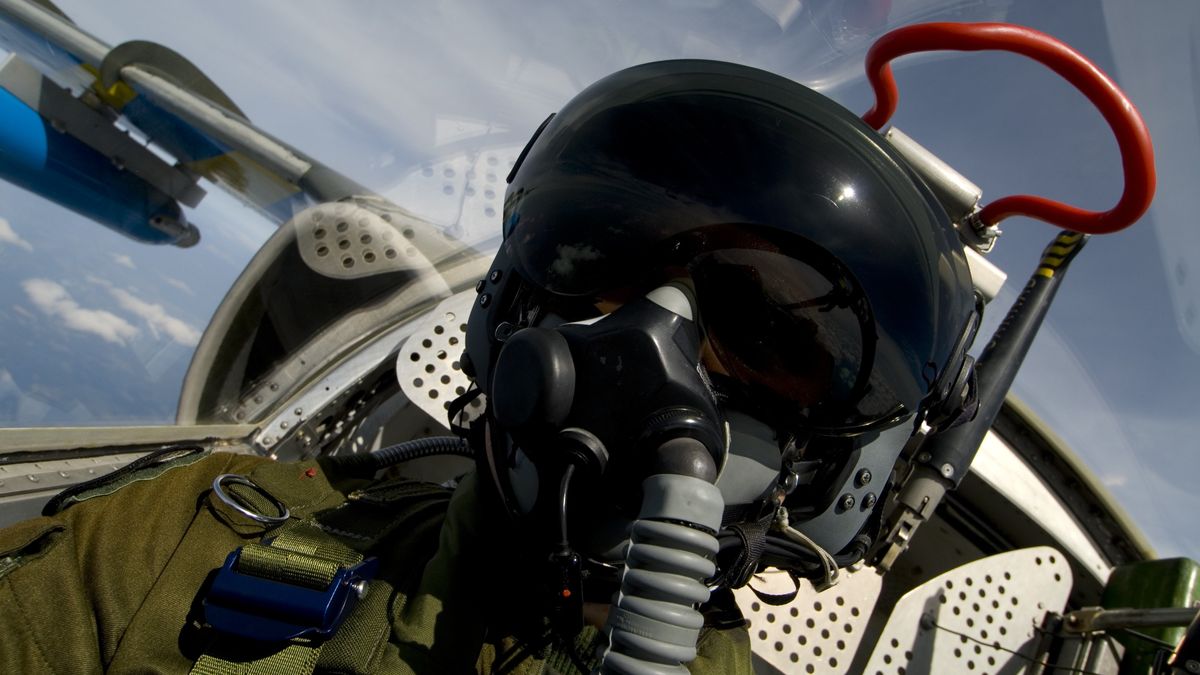
Then the breakthrough came. The pilot remembered his headaches started when he received a new helmet with a tighter fit. They got worse on days with multiple flights and longer wear time.
Around the time he started medication, he'd coincidentally been issued new flight gear for a different plane assignment, including a properly sized helmet. That's when his headaches mysteriously vanished.
The diagnosis changed completely. The pilot wasn't suffering from migraines at all but from external compression headaches caused by his ill-fitting helmet.
Why This Inspires
This case shows why persistence and asking the right questions matter in medicine. The pilot trusted his instincts about long-term medication and sought another opinion, ultimately avoiding years of unnecessary drugs.
The military doctors didn't stop at the obvious diagnosis either. They dug deeper when details didn't quite fit, connecting dots between timeline and equipment changes that had seemed unrelated.
Five months after switching to the correct helmet size, the pilot remained completely headache-free. Doctors found no similar cases documented in any air force worldwide, making this a first-of-its-kind discovery that could help other pilots experiencing unexplained symptoms.
Sometimes the biggest medical mysteries have the simplest solutions.
More Images



Based on reporting by Live Science
This story was written by BrightWire based on verified news reports.
Turn Today’s Good News Into Action
Generate a simple, meaningful 2-minute act of kindness you can do today and log your ripple effect.
Spread the positivity!
Share this good news with someone who needs it
