Finland Opens World's First Permanent Nuclear Waste Facility
After 22 years of construction, Finland is launching Onkalo, the world's first permanent underground nuclear waste repository. The breakthrough facility solves a problem that has stumped scientists for decades.
Finland just solved one of the world's most stubborn environmental puzzles: what to do with radioactive nuclear waste that stays dangerous for 100,000 years.
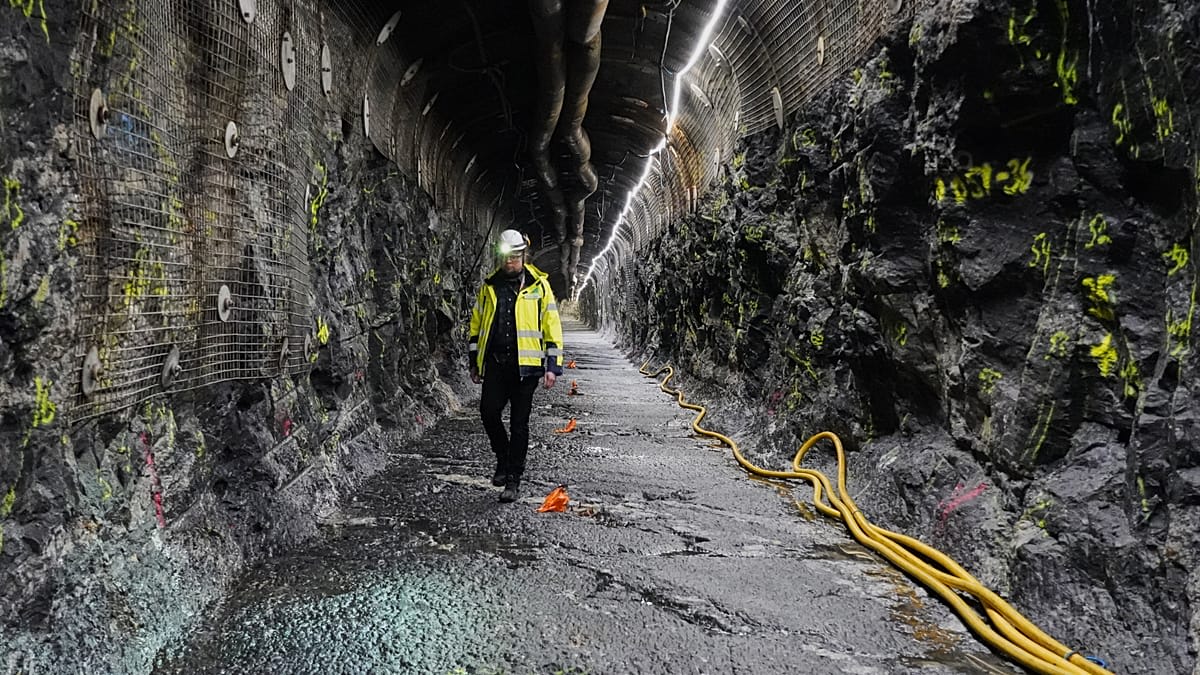
After more than two decades of construction, the country is opening Onkalo, the world's first permanent nuclear waste facility carved deep into bedrock on the island of Olkiluoto. Authorities are expected to grant the final operating license within months.
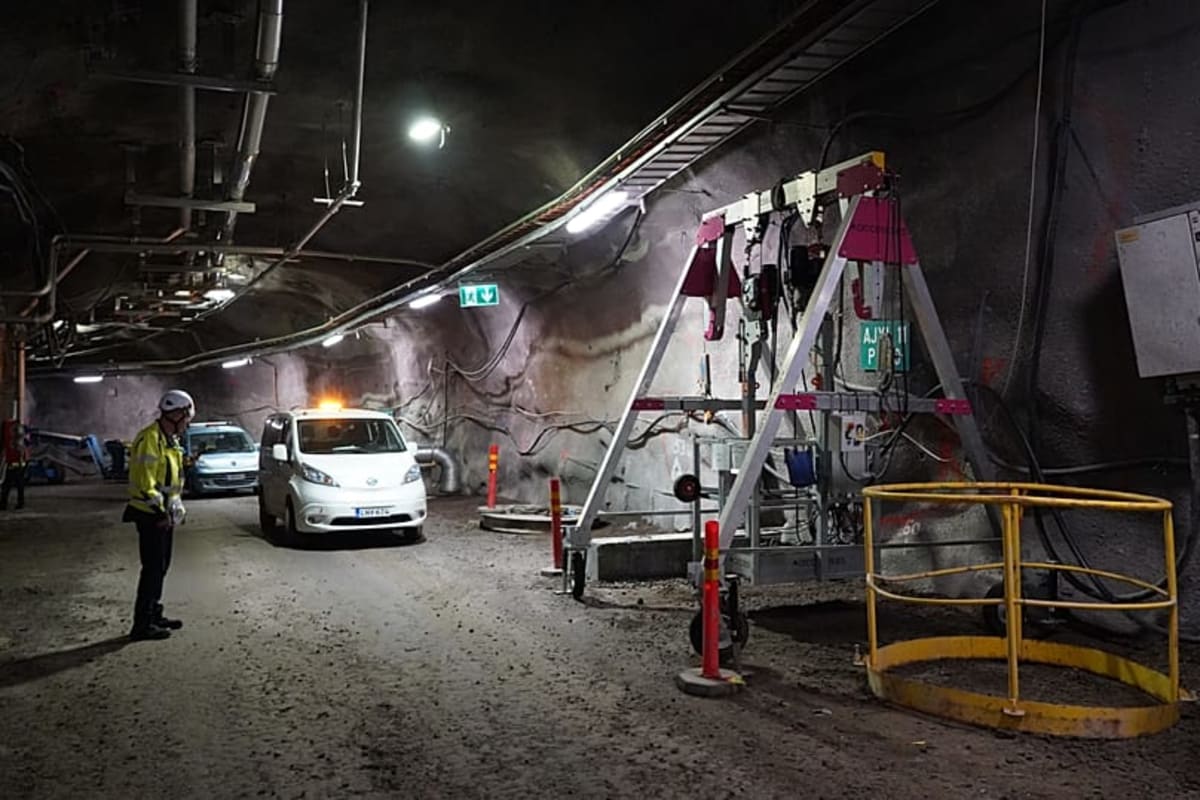
The name means "cave" in Finnish, and that's exactly what engineers built starting in 2004. The €1 billion facility tunnels over 400 meters underground into some of Europe's most stable bedrock, chosen specifically for its strength and low earthquake risk.
Here's how it works: radioactive fuel rods get sealed inside copper canisters at a nearby plant using unmanned machinery. Those canisters then get buried in the deep tunnels and packed with special water-absorbing clay that creates protective buffer layers around the waste.
The facility can hold 6,500 tons of spent nuclear fuel and will keep operating until the 2120s. That's a century of safely storing some of the most dangerous material humans have ever created.
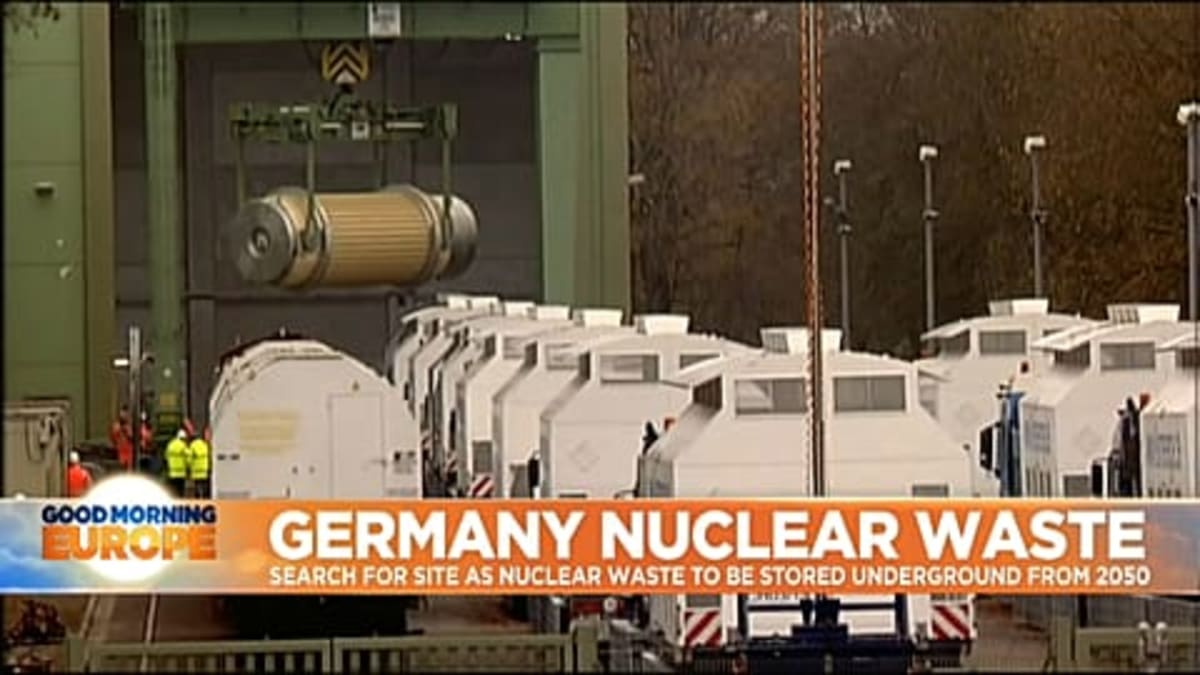
The timing matters because nuclear waste is piling up globally. Since the 1950s, the world has produced nearly 400,000 tons of spent fuel, with two-thirds sitting in temporary storage above ground. Most countries store it in pools at reactor sites or in dry casks, basically kicking the problem down the road.
The Ripple Effect
Finland's breakthrough gives the world a working model for nuclear waste disposal just as many countries are reconsidering nuclear energy to fight climate change.
The facility sits near three of Finland's five nuclear reactors, about 15 kilometers from the town of Eurajoki, where 9,000 residents live. Many work at the plant or storage site, showing how communities can safely coexist with nuclear infrastructure.
Finland passed a law in 1994 requiring all its nuclear waste to be handled and stored within its borders. That decision forced the country to solve the problem rather than export it, and now Environment Minister Sari Multala says Finland might even accept limited waste from other nations once operations prove successful.
Even critics acknowledge the achievement. Juha Aromaa from Greenpeace Finland noted that after disasters like Chernobyl and Fukushima, "nobody else in the world is anywhere near to solving this problem." Edwin Lyman from the Union of Concerned Scientists called it "the least bad option," explaining that underground storage is far safer than leaving waste vulnerable to sabotage on the surface.
The project isn't perfect and carries uncertainties that will affect future generations. Scientists are even developing special warning signs that humans might understand 10,000 years from now.
But for the first time in the nuclear age, one country has shown it's possible to clean up after ourselves.
More Images
Based on reporting by Euronews
This story was written by BrightWire based on verified news reports.
Spread the positivity!
Share this good news with someone who needs it