Finland Turns Coffee Waste Into Packaging Ink
Coffee roasting leftovers are now printing paper bags in Finland, replacing fossil-based inks with a sustainable alternative. The breakthrough just passed its first industrial trial, proving the technology works at commercial scale.
Your morning coffee just got a second life as packaging ink.
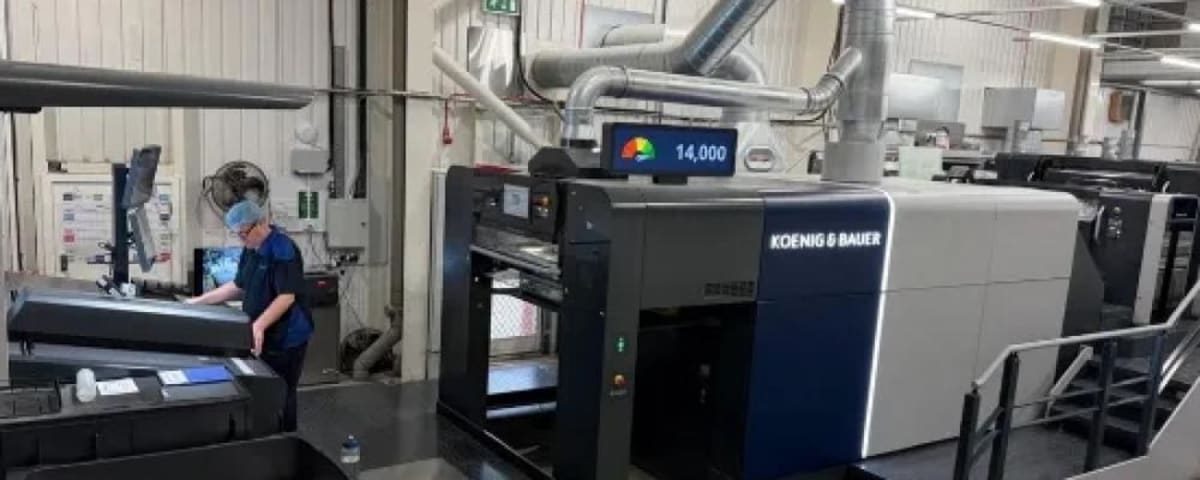
Finnish researchers have successfully turned coffee roasting waste into a water-based ink that can print paper bags on industrial machines. In August 2026, a team led by Tampere University of Applied Sciences completed the first commercial-scale trial, printing paper bags with ink made entirely from byproducts that coffee companies used to burn for energy.
The innovation transforms materials from Finnish coffee company Meira into colorants using Natural Indigo Finland's BioInk technology. Printing ink manufacturer Siegwerk then converts these natural pigments into industrial-grade ink that works with existing production equipment.
The trial proved the ink meets real-world standards for print quality and speed. German packaging manufacturer Hornung Verpackungen tested it under actual factory conditions, where inks must dry quickly and maintain consistent color at high production speeds.
The journey started small in 2024 with laboratory experiments to extract natural colorants from industrial waste. By 2025, researchers had progressed to printing paper shopping bags, and one of those bags won public voting in Finland's Uusi puu sustainable design competition.
The Ripple Effect
This innovation tackles two problems at once. Coffee roasting produces consistent waste streams that currently get burned for energy, the lowest-value use for organic materials. Converting that waste into ink ingredients creates more value while reducing dependence on petroleum-based pigments in packaging.
The water-based formula releases no volatile organic compounds during printing, making factory air cleaner for workers. Its binder, developed by Siegwerk, contains a high proportion of renewable biological materials instead of fossil-based chemicals.
"This coffee-based colorant is an excellent fit for our range of products containing bio-renewable materials," said Paul Pain, Siegwerk's Global Head of Water-Based Technology. The trial demonstrated both technical feasibility and commercial potential for scaling up production.
Flexographic printing, the high-speed process used for most paper bags and food packaging, can now add this sustainable option to its toolkit. The technology works on the same machines that print millions of shopping bags, labels, and flexible packages daily.
Researchers continue improving the ink's color strength and stability for more demanding applications and longer production runs. The next challenge involves scaling production while maintaining consistent quality and securing enough raw material supply.
No company has announced a full market launch yet, but the industrial trial cleared the biggest hurdle: proving the technology works outside controlled laboratory conditions. If coffee waste can become commercial ink, other food industry byproducts might follow the same path from disposal to valuable materials.
More Images


Based on reporting by Regional: finland innovation (FI)
This story was written by BrightWire based on verified news reports.
Spread the positivity!
Share this good news with someone who needs it