Finland's 20 Unicorn Startups Outpace Nokia's Golden Era
A decade after Nokia's collapse threatened Finland's economy, this nation of 5.5 million people now boasts 20 unicorn startups and exports worth $17 billion annually. Student-built satellites and university partnerships have transformed the Nordic country into Europe's startup paradise.
When Finland sold Nokia's mobile phone business to Microsoft in 2014, the country lost more than a company. It lost what many considered the backbone of its entire economy.
Ten years later, Finland has done something remarkable. This small nation has built a startup ecosystem so successful that it now produces 10 times more unicorns per capita than South Korea.
At Aalto University in Espoo, just 20 minutes from Helsinki, students assemble satellites by hand on campus. They select every part and program every controller themselves, learning skills that turn into billion-dollar companies.
That hands-on approach works. Last month, Metaktik raised $1 million just three days after launching with antenna technology developed by students. The company creates ultra-lightweight antennas for aerospace and defense using thin-film structures that captivated investors immediately.
Finland now hosts 20 unicorn companies, each valued at over $1 billion. For a country with only 5.5 million people, that ratio beats nearly every nation on Earth.
The numbers keep getting better. Startup exports hit $17 billion last year, reaching a target set for 2028 five years early. By 2030, exports are expected to reach $35 billion, surpassing Nokia's peak sales from its glory days.
Industry partnerships make the difference. Aalto University formed in 2010 by merging three schools focused on technology, economics, and design. The combination created a startup factory that connects classroom research directly to real-world companies.
The university's Space Research Institute provides students with clean rooms, electronics labs, and even their own satellite ground station. Two operating science satellites help students test their ideas in actual space conditions.
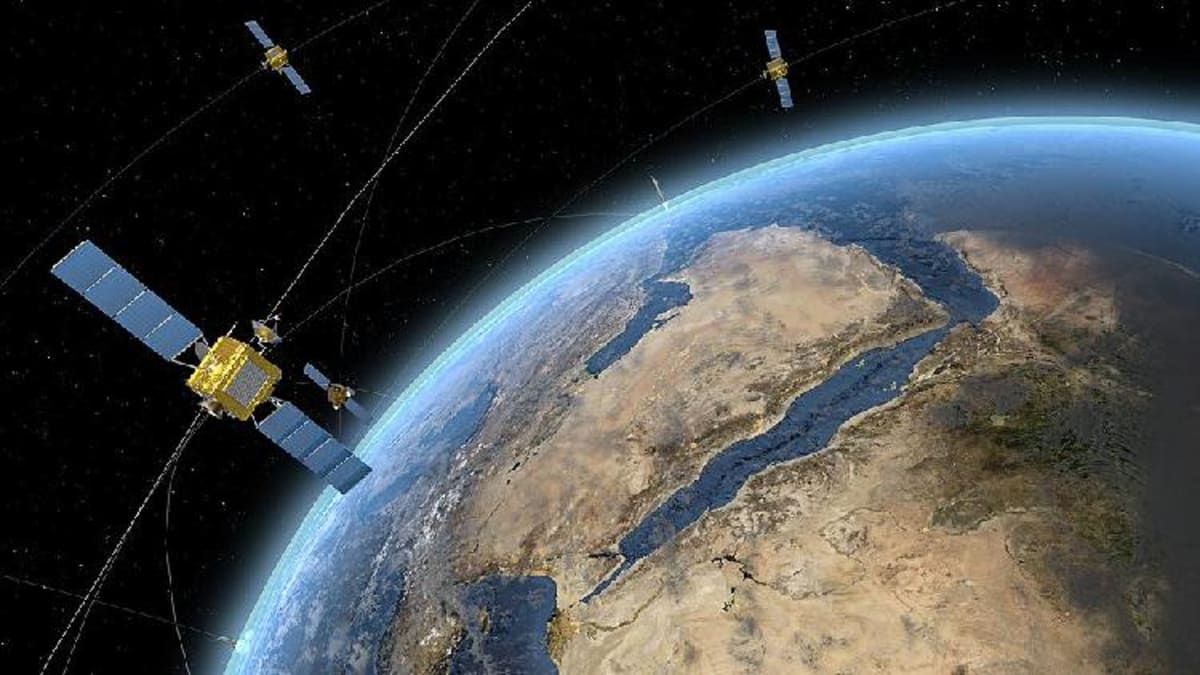
ICEYE shows what that environment can create. Founded in 2014 by two students working on a satellite project, the company now operates 70 satellites and employs over 1,000 people. Six years ago, it had just 100 employees.
Their microsatellites cost one-tenth the price of traditional satellites while delivering better results. Image resolution improved from 25 centimeters to 6 centimeters, and download times dropped from days to under 10 minutes. The satellites capture high-resolution images in any weather, even photographing the Strait of Hormuz during a recent blockade.
Countries line up to buy ICEYE's technology. Germany, Sweden, Netherlands, Portugal, and Japan have all purchased their satellites. Sales topped $250 million last year, with the company aiming for $1 billion by 2027.
The Ripple Effect
Finland leads Europe in venture capital investment relative to GDP, averaging 0.168% from 2018 to 2022. That stability attracted $1.5 billion in 2024 alone, beating the United Kingdom and Sweden.
The Finnish Technology Industries Association supports startups from day one, funding companies at the idea stage without taking equity. That approach helped create Blufors, now a quantum hardware leader, and IQM, preparing for a U.S. stock listing.
What started as economic anxiety has become a model for turning crisis into opportunity, proving small countries can build enormous innovation when universities and industries work as partners.
More Images


Based on reporting by Regional: finland innovation (FI)
This story was written by BrightWire based on verified news reports.
Spread the positivity!
Share this good news with someone who needs it