Finland's Heat Pump Turns Waste into Steam for Paper Mill
A Finnish paper mill just fired up the world's largest steam-producing heat pump, turning industrial waste heat into high-powered steam using clean electricity. It's beating performance targets by 10% and eliminating fossil fuels from a major manufacturing process.
A groundbreaking heat pump in Finland is proving that heavy industry can ditch fossil fuels without sacrificing performance.
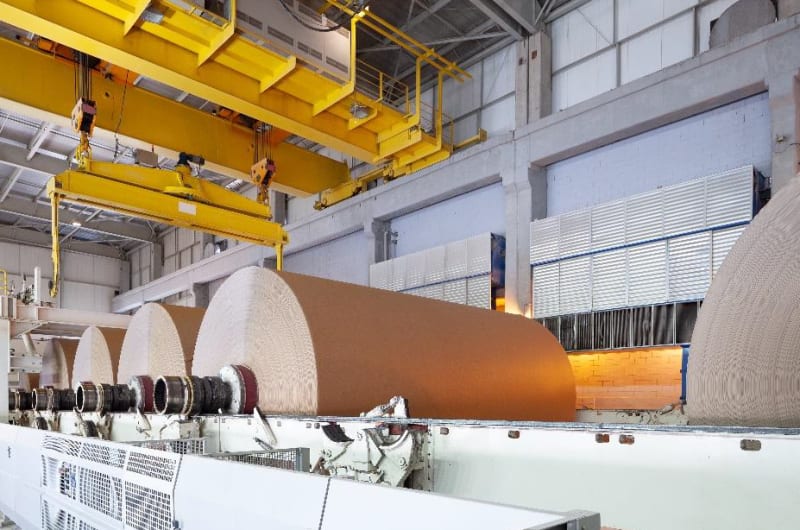
The Austrian paper manufacturer Delfort just switched on what engineers are calling the world's largest steam-producing heat pump at their mill in Tervakoski, Finland. The system does something remarkable: it captures waste heat that would normally be lost to the environment and upgrades it into superheated steam hot enough to power industrial papermaking.
Here's what makes this exciting. The heat pump takes low-grade heat as cool as 10 to 20 degrees Celsius and cranks it up to between 150 and 180 degrees Celsius. It produces 20 tons of superheated steam every hour, all powered by clean electricity instead of burning fossil fuels.
The technology comes from Turboden, an Italian company owned by Mitsubishi Heavy Industries. They promised the system would operate at a coefficient of performance of 2, meaning it would produce twice as much energy as it consumes. The actual result? It's running 10% better than guaranteed.
Delfort invested 50 million euros in the project, with support from Finland's government and the European Union's NextGenerationEU program. That's a serious commitment to cleaning up industrial manufacturing, one of the toughest sectors to decarbonize.
Installing the massive system wasn't simple. Engineers had to fit the equipment into an existing room with limited space, requiring careful design to ensure workers could maintain and access everything properly. Turboden and Delfort worked closely together to create a custom setup that integrated seamlessly with the paper mill's existing operations.
The Ripple Effect
This project matters far beyond one paper mill in Finland. Heavy industry accounts for a massive chunk of global carbon emissions, and finding ways to eliminate fossil fuels from these processes has been one of climate technology's biggest challenges.
What Delfort and Turboden proved is that industrial heat pumps can work at massive scale, perform reliably, and actually exceed expectations. Paper manufacturing requires enormous amounts of heat, and if this technology works here, it can work in countless other factories around the world.
The system uses isobutane as its working fluid and operates continuously, showing that clean alternatives can match the reliability that industry demands. Other manufacturers watching this project now have a proven blueprint they can follow.
Finland continues to lead the way in practical climate solutions, turning engineering challenges into opportunities for innovation that the rest of the world can adopt.
More Images
Based on reporting by PV Magazine
This story was written by BrightWire based on verified news reports.
Spread the positivity!
Share this good news with someone who needs it