Finnish Sawdust Creates Stronger, Recyclable Wind Turbines
Scientists in Finland turned sawdust and straw into resins 76% stronger than oil-based materials, solving one of renewable energy's biggest recycling problems. These forest-based materials match the cost of fossil fuels while being fully recyclable.
Wind turbine blades and boat hulls might soon be made from sawdust instead of oil, thanks to a breakthrough that makes renewable materials stronger and cheaper than their fossil fuel counterparts.
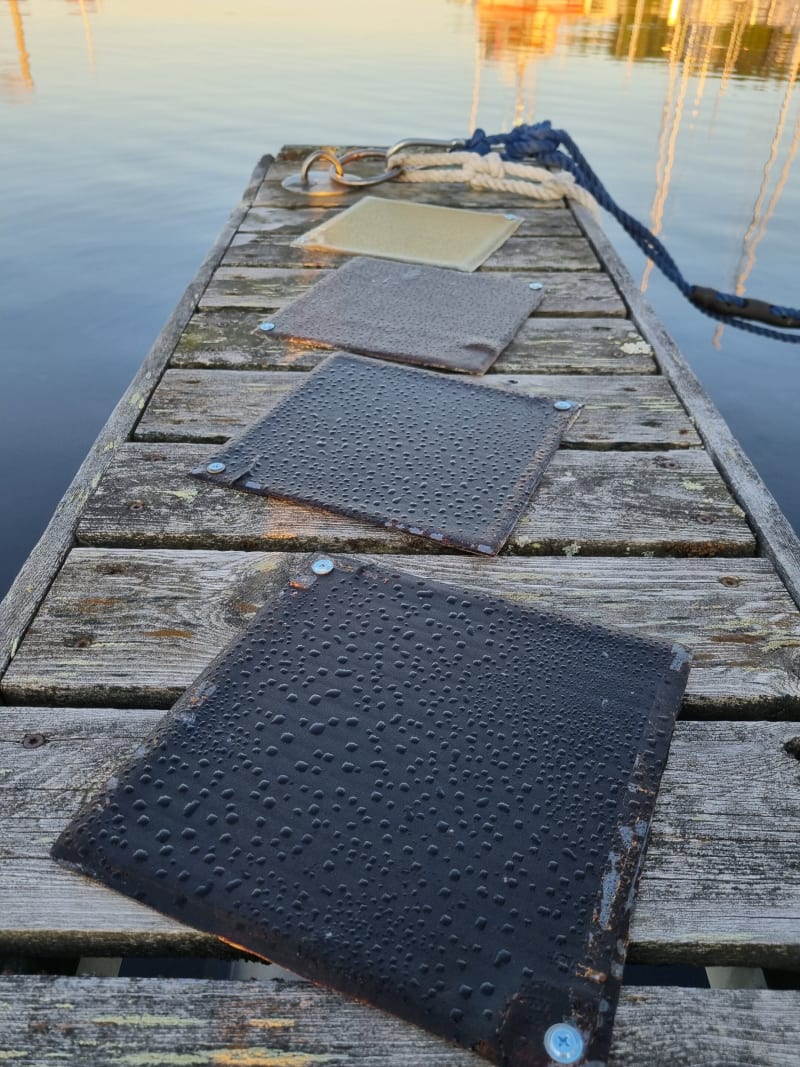
Researchers at the University of Oulu in Finland have developed bio-based resins from forestry waste like sawdust and agricultural leftovers like straw. The materials perform as well as traditional oil-based resins in boats, wind turbines, and sports equipment. In some tests, the biomass-based polyester resin showed 76% higher tensile strength than commercial fossil-based versions.
The innovation solves a problem that has plagued the renewable energy industry for years. Wind turbine blades are notoriously difficult to recycle, often ending up in landfills after their 20-year lifespan. These new resins can be chemically broken down and reused as raw materials, creating a circular manufacturing system.
Senior Research Fellow Juha Heiskanen says the price point makes adoption realistic. "Bio-based resins will not have a significant price difference compared to fossil resins," he explains. The secret is that once the bio-based platform chemicals are produced from waste materials, they can be processed using existing chemical industry production lines.
The raw materials come from hydroxymethylfurfural and furfural, compounds derived from cellulose and hemicellulose found in wood and plant waste. These side streams from forestry and agriculture provide abundant, renewable feedstock that was previously considered waste.
The Ripple Effect
The implications reach far beyond individual products. For Europe, which holds less than 2% of global oil reserves, biomass-based materials offer a path to material independence. Countries with substantial forestry and agricultural sectors can transform local waste into high-performance materials.
The seven-member research team has filed three patents and is seeking partners for pilot-scale production. Their work connects the traditional forest industry with advanced chemical manufacturing, creating entirely new bioeconomy value chains. This integration could expand how countries utilize their biomass resources beyond traditional pulp production.
The applications are already clear. Polyester resins go into fiberglass boats and recreational vehicles. Epoxy resins are essential in adhesives, sports equipment, and industrial components. All these products could soon be made from renewable sources without sacrificing performance or adding cost.
The research builds on two peer-reviewed studies published in Composites Part B: Engineering and ACS Sustainable Chemistry & Engineering, involving collaborators from Italy and Sweden.
A future where wind turbines are both powered by wind and made from forest waste is no longer theoretical.
More Images

Based on reporting by Phys.org - Technology
This story was written by BrightWire based on verified news reports.
Spread the positivity!
Share this good news with someone who needs it