Firefly Aerospace Alpha Rocket Returns After Twin Disasters
After an explosion and a failed mission in 2024, Texas-based Firefly Aerospace just nailed its comeback launch, proving setbacks don't mean the end of the road. The successful flight clears the way for an even better rocket design.
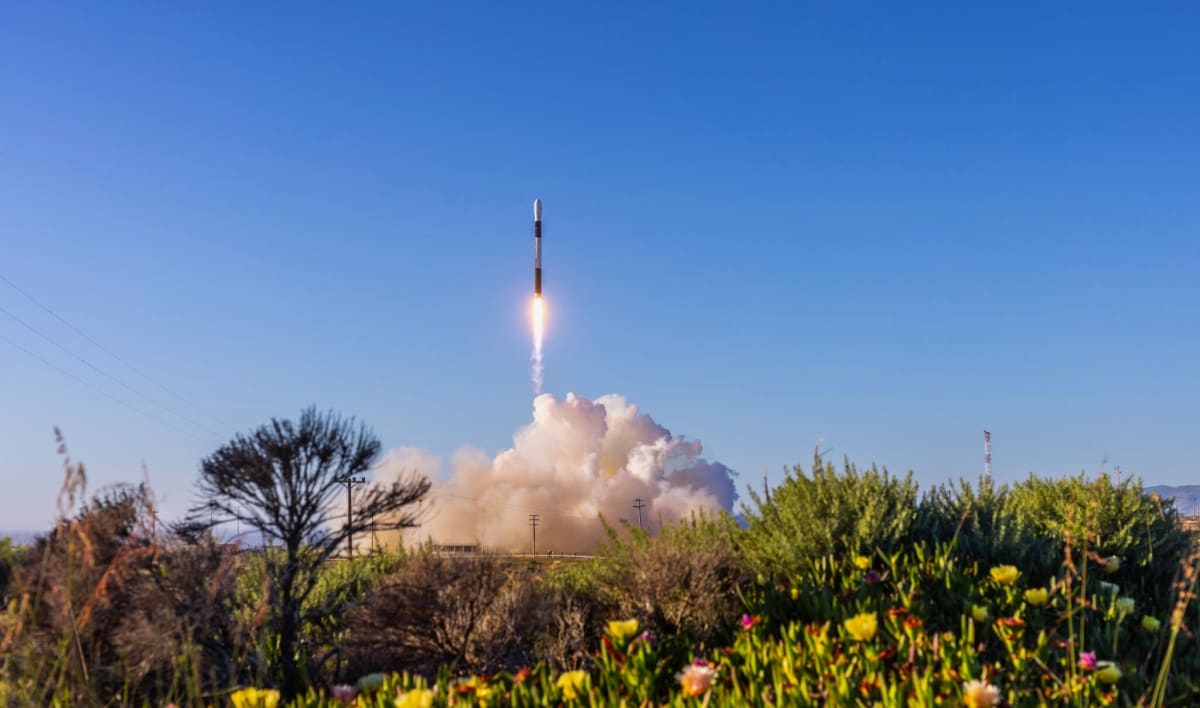
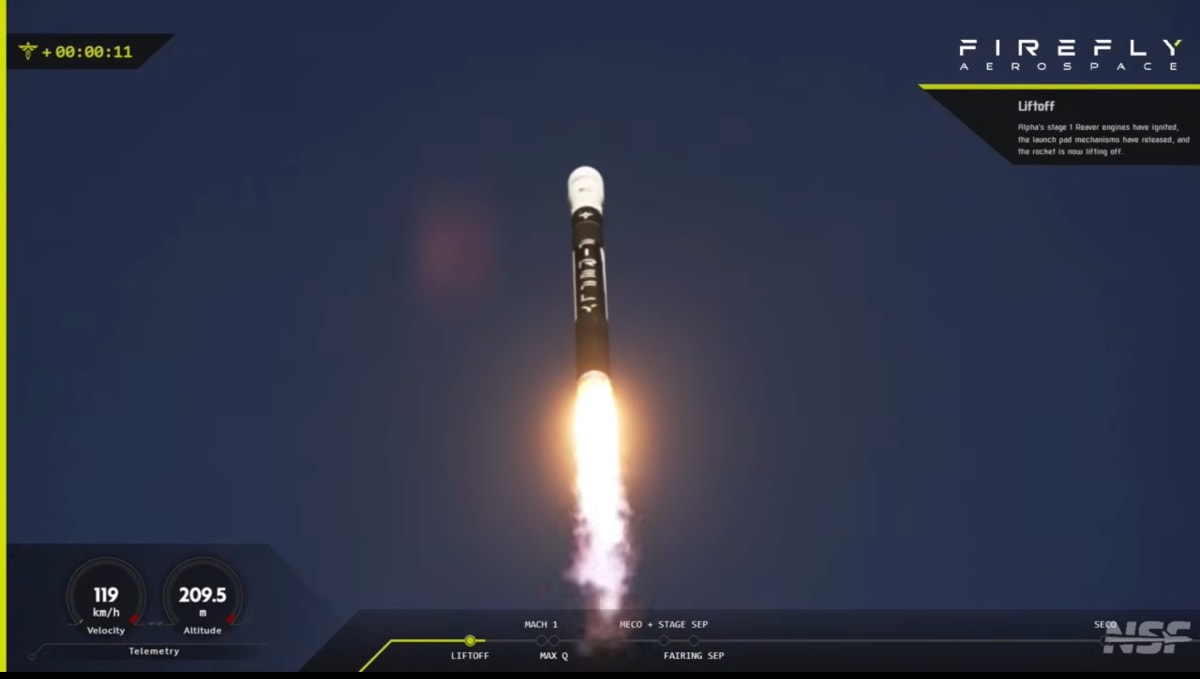
Firefly Aerospace's Alpha rocket lit up the California sky on March 11, marking a triumphant return after nearly a year of setbacks that would have grounded lesser teams.
The mission, called "Stairway to Seven," launched from Vandenberg Space Force Base at 8:50 p.m. ET. Just eight minutes later, the rocket reached orbit 151 miles above Earth, hitting every target the team set.
The journey to this moment wasn't easy. Last April, an Alpha rocket failed to deliver a satellite to orbit when something went wrong during stage separation. Then in September, things got worse: another Alpha rocket exploded on the test stand while preparing for this very mission, pushing the launch back months.
Engineers traced the explosion to human error during assembly that caused tiny hydrocarbon contamination. The good news? It wasn't a design flaw, meaning the rocket itself was sound.
Firefly wisely reframed the mission as a test flight, focusing on proving the rocket's basic systems worked perfectly. The company delivered on that promise and still managed to carry a demonstration payload for Lockheed Martin.
Why This Inspires
This launch represents more than just a successful flight. It shows how transparency and methodical problem-solving can turn disasters into stepping stones.
After the test stand explosion, Firefly could have rushed back to flight or hidden behind vague explanations. Instead, they took their time, shared what went wrong, and rebuilt carefully. That approach just paid off.
The timing couldn't be better. Firefly is retiring this rocket design after Flight 7 to introduce Alpha Block II, which will stand seven feet taller with upgraded electronics, power systems, and heat protection. Today's success validated the core systems that will power the next generation.
While Alpha has only achieved full mission success three times in seven attempts, Firefly proved its capabilities elsewhere. Last year, their Blue Ghost lander became the first private spacecraft to successfully complete a lunar surface mission.
The company now stands ready to debut its improved rocket design on Flight 8, armed with hard-won lessons and renewed confidence.
More Images

Based on reporting by Space.com
This story was written by BrightWire based on verified news reports.
Spread the positivity!
Share this good news with someone who needs it