First Bamboo Building Manual Tackles Climate Crisis
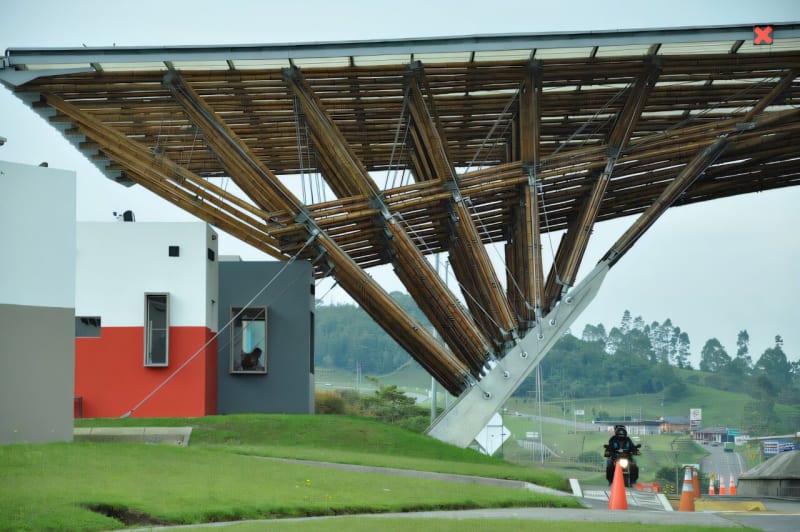
Engineers just published the world's first comprehensive guide for designing permanent bamboo structures, opening doors for sustainable construction in regions that need it most. The manual transforms a fast-growing plant into a legitimate building material that could slash the construction industry's massive carbon footprint.
A team of four international experts just gave architects and engineers the tool they need to build safer, greener structures using one of nature's most renewable resources.
The Institution of Structural Engineers released the first-ever comprehensive manual for designing permanent bamboo buildings. Lead author Dr. David Trujillo from the University of Warwick worked alongside experts from the University of Pittsburgh, engineering firm Arup, and the Base Bahay Foundation to create guidance that meets international safety standards.
The timing couldn't be better. Construction contributes nearly 40% of global carbon emissions, and bamboo offers a compelling alternative that grows fast, stores carbon, and doesn't disturb soil when harvested.
"Most structural design codes are developed in higher-income countries to address their own needs," Trujillo explains. This manual flips that script by prioritizing the needs of lower and middle-income regions where bamboo grows naturally and affordable housing is desperately needed.
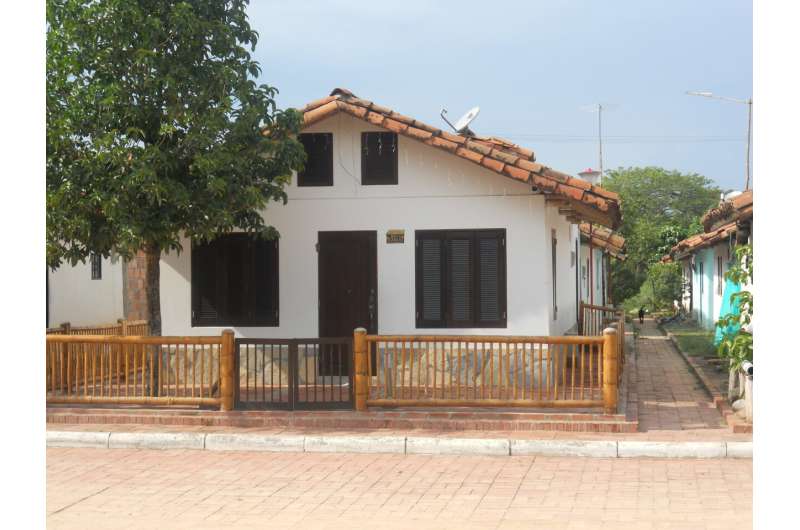
The guide covers everything from sourcing bamboo to detailed design specifications, addressing the unique challenges of working with a material that has over 1,600 known species. It includes real-world examples, seismic and wind hazard design, and crucial durability guidance.
Professor Kent Harries notes that bamboo has "remarkable mechanical properties" and shows real promise as a sustainable construction material. The catch? Buildings must be designed and built safely, which this manual now makes possible.
The manual limits designs to two-story buildings due to fire safety concerns, a practical constraint that ensures responsible use. It includes provisions for flame-retardant materials and fire detection systems where needed.
Bamboo grows on every continent except Antarctica and Europe, though it thrives across European climates too. Like trees, it fixes carbon in its leaves, stems, roots, and surrounding soil throughout its lifecycle.
The Ripple Effect
This manual does more than provide technical specifications. It legitimizes bamboo as a serious building material on the global stage, potentially transforming construction practices in regions where both bamboo and housing needs are abundant.
The guide comes endorsed by Kewei Liu, Coordinator of the INBAR Global Bamboo Construction Program, who calls it a "remarkable contribution to the global use of bamboo construction." Eleven expert reviewers validated the manual's technical rigor before publication.
Sebastian Kaminski from Arup explains that bamboo engineering is "a very young field compared to mainstream materials," but its unique possibilities are gaining recognition through growing research and innovation. This manual accelerates that momentum.
Luis Felipe Lopez from Base Bahay Foundation captures the transformation underway: bamboo is shifting "from being an alternative to a reliable building material" with global recognition.
A comprehensive framework now supports engineers in maximizing bamboo's full potential and environmental advantages, turning a regenerative resource into buildings that communities can trust.
More Images

Based on reporting by Phys.org - Technology
This story was written by BrightWire based on verified news reports.
Spread the positivity!
Share this good news with someone who needs it