First Drug for Infant Brain Injury Gets $40M Boost
A groundbreaking treatment for brain injuries in newborns just secured $40 million to complete clinical trials, offering hope where no approved drugs currently exist. The therapy targets HIE, a condition that affects 1.2 million babies worldwide each year.
For the first time ever, a drug treatment for one of the deadliest infant brain injuries is moving closer to reality.
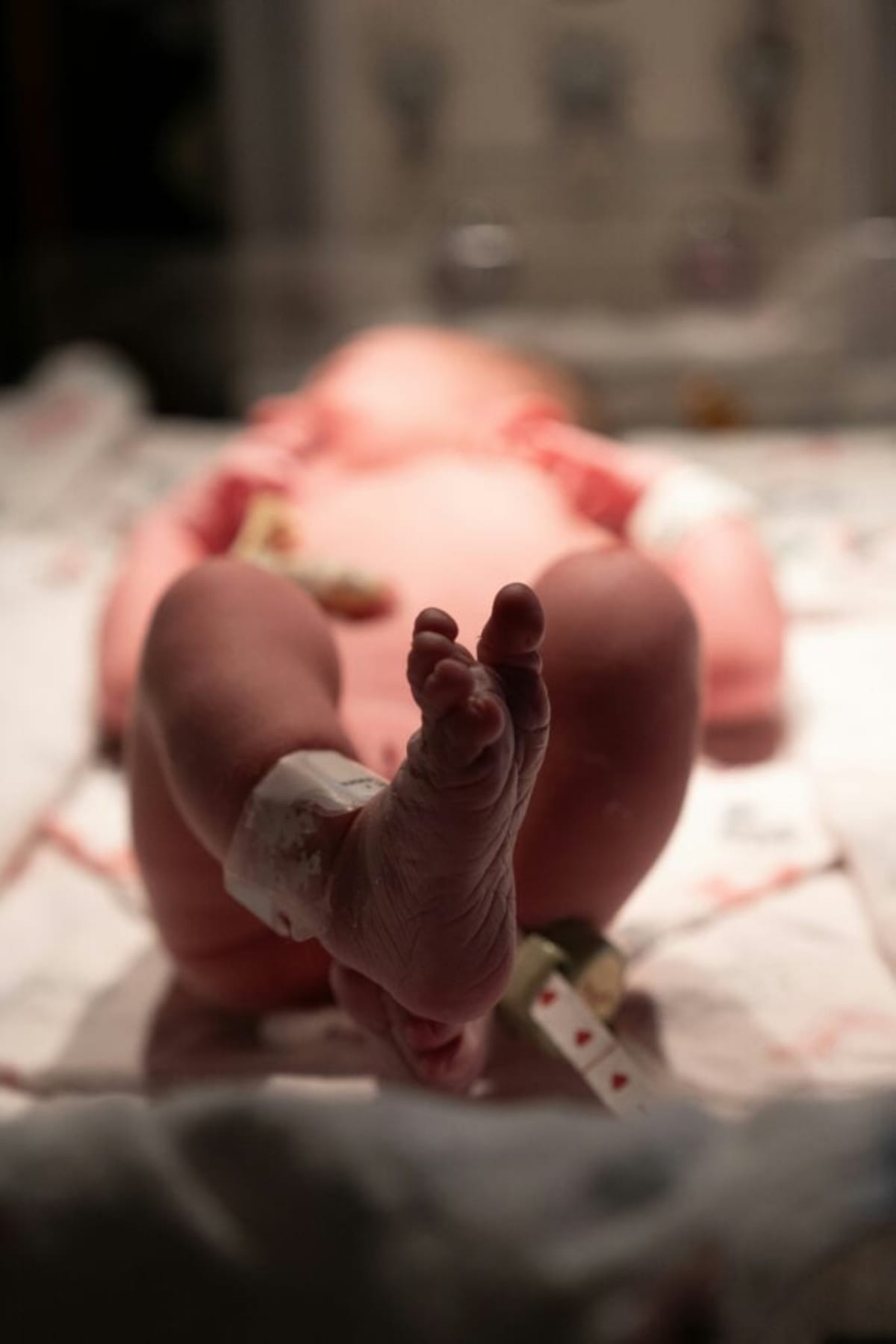
ReAlta Life Sciences just raised $40 million to complete phase 2 trials of pegtarazimod, a therapy for hypoxic-ischemic encephalopathy (HIE). This brain injury happens when oxygen or blood flow gets cut off during delivery, affecting 8,000 American babies and 1.2 million babies globally every year.
The condition is devastating. About 15 to 20 percent of babies with HIE die within weeks of birth, while another 25 percent develop lifelong disabilities including cerebral palsy, epilepsy, and cognitive impairment.
Right now, doctors can only offer cooling therapy, where they lower a newborn's body temperature to reduce brain damage. It helps some babies recover, but it's not a cure and doesn't work for everyone. Despite decades of research, no drug has ever been approved by American or European regulators to treat HIE.
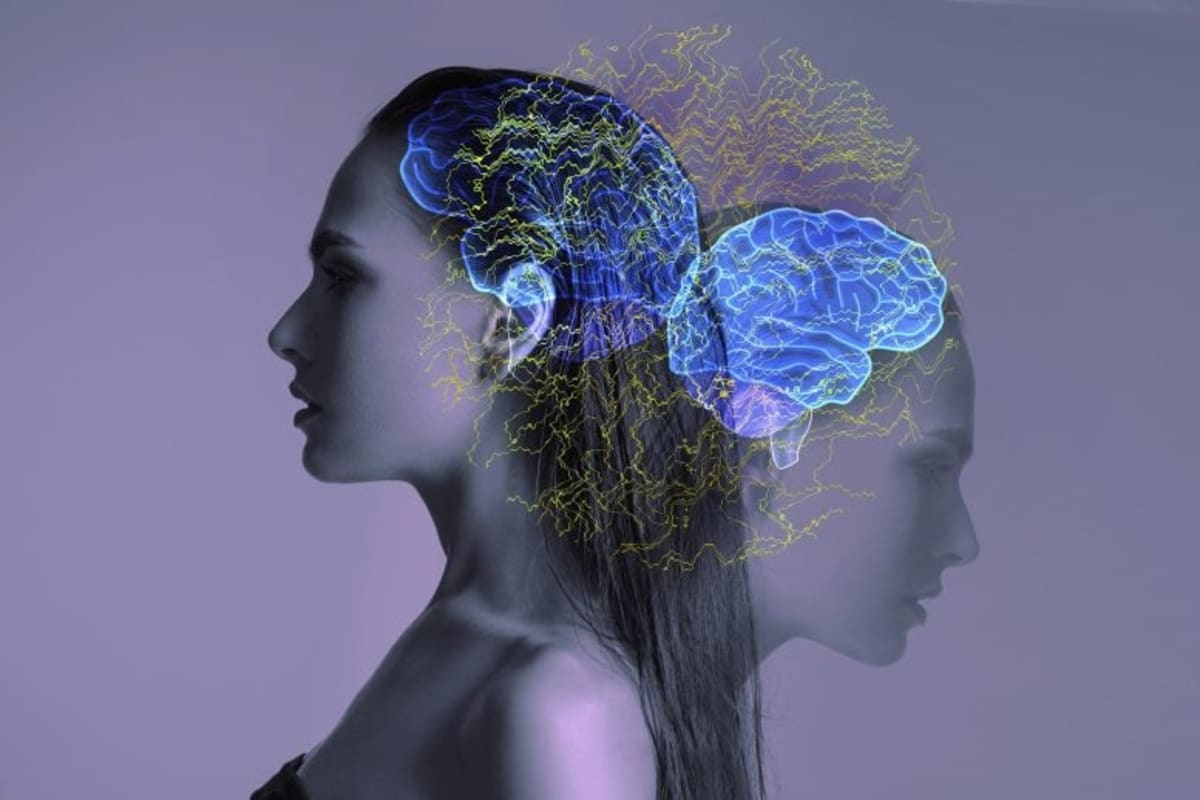
HIE typically happens when something goes wrong during delivery. The placenta might separate too early, the umbilical cord could get compressed, or blood flow might get interrupted. When oxygen gets cut off, brain cells start dying, and when blood flow returns, it can cause even more damage through what scientists call reperfusion injury.
Pegtarazimod works differently than anything tried before. It targets inflammation at its source, blocking the cascade of damage before it spreads through the brain. Howard Berman, ReAlta's CEO, describes it as "extinguishing the spark before it becomes a forest fire."
The drug works outside cells, blocking two key inflammatory pathways that cause brain injury in HIE. By stopping these processes early, it aims to prevent the widespread damage that leads to lifelong disabilities.
The Ripple Effect
The $40 million investment gives ReAlta enough funding through 2027 to complete their STAR trial and meet with the FDA. If successful, this would be the first drug approved specifically for HIE, giving doctors an actual treatment option instead of just supportive care.
For families who've watched their newborns fight for survival, this represents something that's never existed before: a real chance to prevent permanent brain damage. The therapy could change outcomes for millions of babies worldwide, transforming a condition with limited options into one with genuine hope for recovery.
Another company, Neuren Pharmaceuticals, is also developing a treatment called NNZ-2591, adding momentum to a field that's been waiting for breakthroughs. Multiple companies investing in HIE treatments signals growing confidence that effective therapies are within reach.
Parents facing an HIE diagnosis have long had to accept uncertainty and limited options. These advances are rewriting that story, turning one of pediatric medicine's most heartbreaking conditions into a challenge with real solutions on the horizon.
More Images



Based on reporting by Google News - New Treatment
This story was written by BrightWire based on verified news reports.
Spread the positivity!
Share this good news with someone who needs it