First Drug Targets Root Cause of Rare Kidney Disease
A new medication just became the first therapy to directly target the damaged cells causing a serious kidney disease with no approved treatments. The breakthrough offers real hope for patients with FSGS, a rare condition that often leads to kidney failure.
Scientists just proved that targeting the actual cells damaged by a rare kidney disease can reverse one of its most dangerous symptoms.
The phase 2 trial tested BI 764198, an oral medication designed to protect podocytes. These are the specialized cells in your kidneys that filter waste from your blood. When they stop working properly, a condition called focal segmental glomerulosclerosis (FSGS) develops, often leading to kidney failure.
The results published in The Lancet showed something remarkable. Patients taking the 20 mg dose saw their proteinuria drop by 44% in just 12 weeks. Proteinuria means excess protein leaking into urine, a key sign of kidney damage.
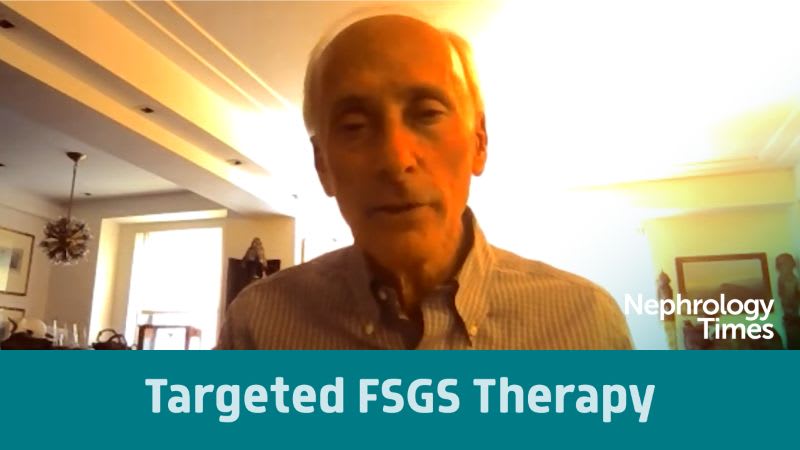
Dr. Howard Trachtman, who led the trial, calls this "the first logical and thoughtful attempt to approach the therapy of FSGS" as a distinct disease. Previous treatments borrowed medications from other conditions and hoped they'd work.
The drug works by blocking a channel called TRPC6 that becomes overactive in FSGS patients. Scientists discovered this connection by studying families with genetic mutations causing the disease. That genetic detective work pointed researchers toward the right target.
Right now, FSGS has zero FDA-approved therapies. Patients typically take blood pressure medications that weren't designed for their condition. Those drugs help some, but they don't address what's actually going wrong inside kidney cells.
Another promising drug called sparsentan is awaiting FDA decision in April 2026. It takes a different approach by blocking two pathways that damage kidneys. That medication reduced proteinuria too, though it works more like an improved version of existing treatments.
Why This Inspires
What makes BI 764198 special is that it represents truly personalized medicine in action. Doctors traced FSGS back to specific malfunctioning cells, identified the broken mechanism, then built a drug to fix that exact problem.
The two drugs might work even better together. Dr. Trachtman suggests matching treatments to what's happening in each patient's kidneys, or combining therapies that target different damage pathways. It's like having multiple tools instead of one hammer.
For the roughly 5,000 Americans diagnosed with FSGS each year, this isn't abstract science. It's the difference between watching kidney function decline and having real options to stop the damage.
The next step is a phase 3 trial to confirm these results in more patients. If successful, people with FSGS could soon have their first medication designed specifically for them.
Based on reporting by Google News - New Treatment
This story was written by BrightWire based on verified news reports.
Spread the positivity!
Share this good news with someone who needs it