First Female Space Shuttle Commander Gets Her Own Film
Eileen Collins went from a traumatic childhood in upstate New York to commanding a space shuttle, and her story just became an inspiring documentary. The film shows how she shattered barriers while balancing motherhood and the emotional weight of dangerous missions.
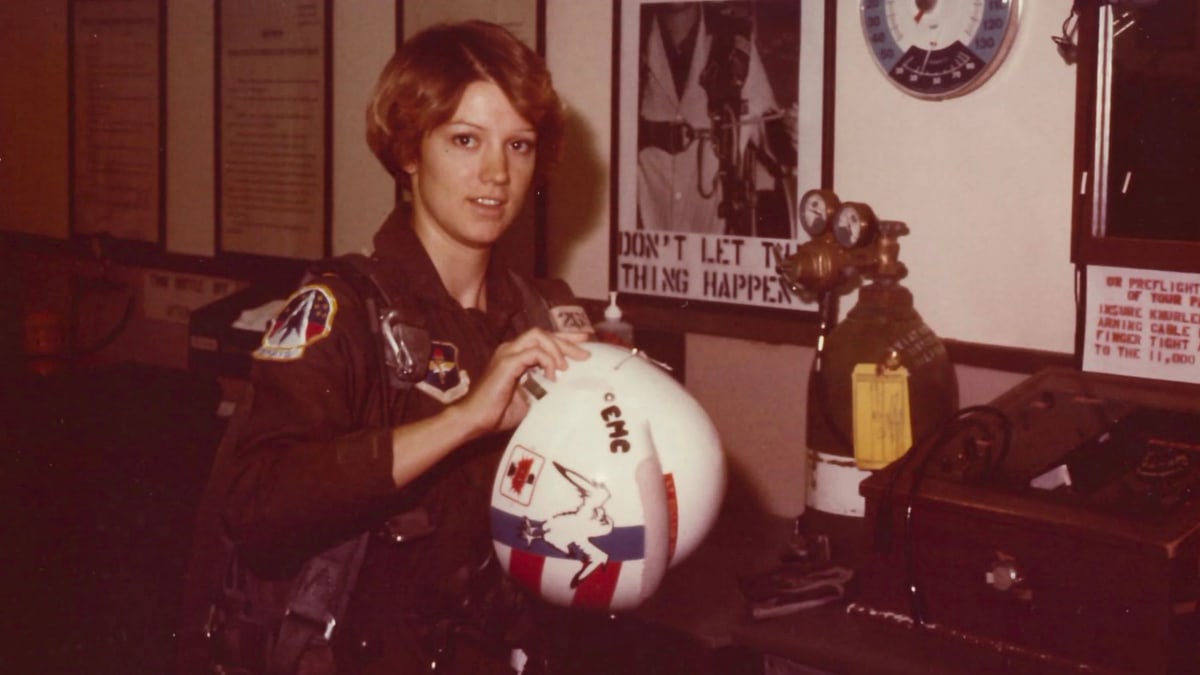
At 17, Eileen Collins drove solo for the first time to follow the ambulance carrying her mother after a suicide attempt. That traumatic moment was just one chapter in a childhood marked by poverty, abuse, and uncertainty in Elmira, New York.
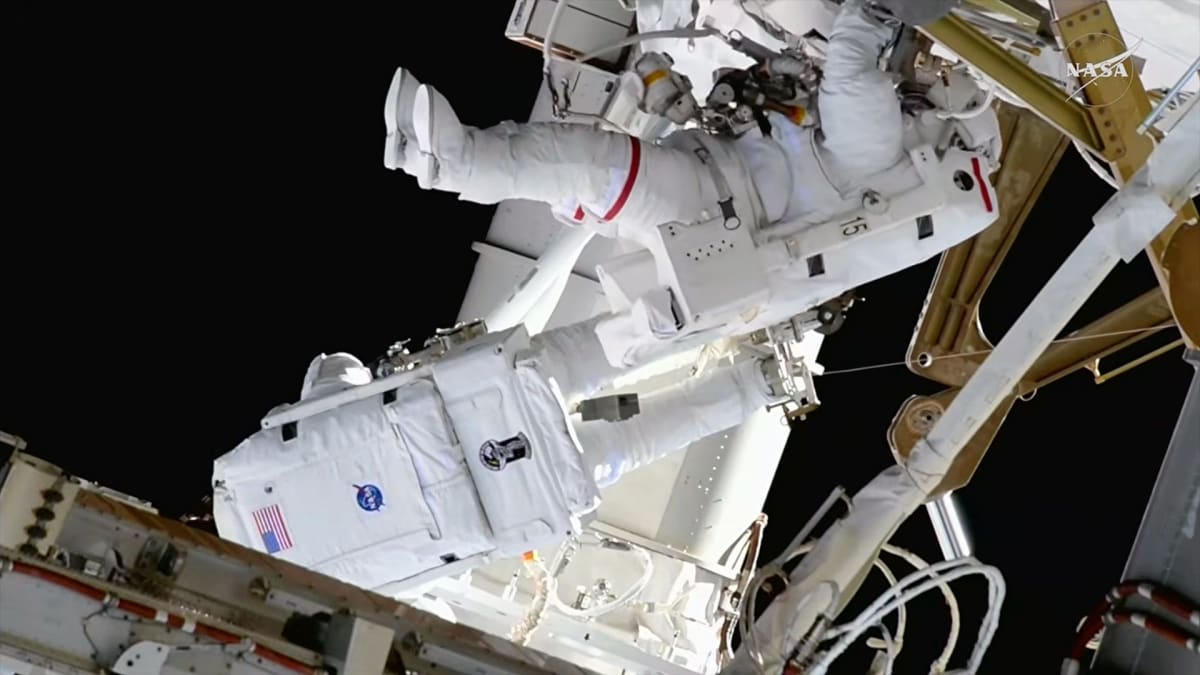
Collins didn't just survive those odds. She became the first woman to pilot and command a space shuttle, logging more than 872 hours in space across four missions.
Her journey from working odd jobs to pay for flying lessons to breaking into the male-dominated world of test pilots is now the subject of Spacewoman, a documentary debuting on AppleTV on June 2. Based on her 2021 memoir, the film captures how Collins navigated patriarchal attitudes in the Air Force and NASA while raising two children.
Collins commanded the first shuttle flight after the 2003 Columbia disaster that killed seven astronauts. That mission required extraordinary composure under pressure, and the film doesn't shy away from showing the emotional toll on her family, especially her daughter Bridget.
Her husband Pat Youngs, a Delta Airlines pilot, took on much of the child-rearing and housekeeping during her training and missions. That arrangement was progressive for its time and allowed Collins to pursue her groundbreaking career.
The 69-year-old astronaut has been surprised by the response at early screenings. One man told her he cried through the entire film, while a young woman said it changed her life.
Why This Inspires
Collins proves that our worst circumstances don't have to define our trajectory. Her story matters even more now as NASA prepares for the Artemis II mission, which will send the first woman and person of color to the moon.
The documentary shows future generations, especially young women, that they can navigate impossible barriers with grit and grace. Collins herself says it best: "Until we are tested, we don't know what we are capable of."
Her path from trauma to triumph reminds us that resilience isn't just about surviving but about reaching for the stars anyway.
Based on reporting by Fast Company - Innovation
This story was written by BrightWire based on verified news reports.
Spread the positivity!
Share this good news with someone who needs it