First Lyme Disease Vaccine Shows 70% Efficacy in Trials
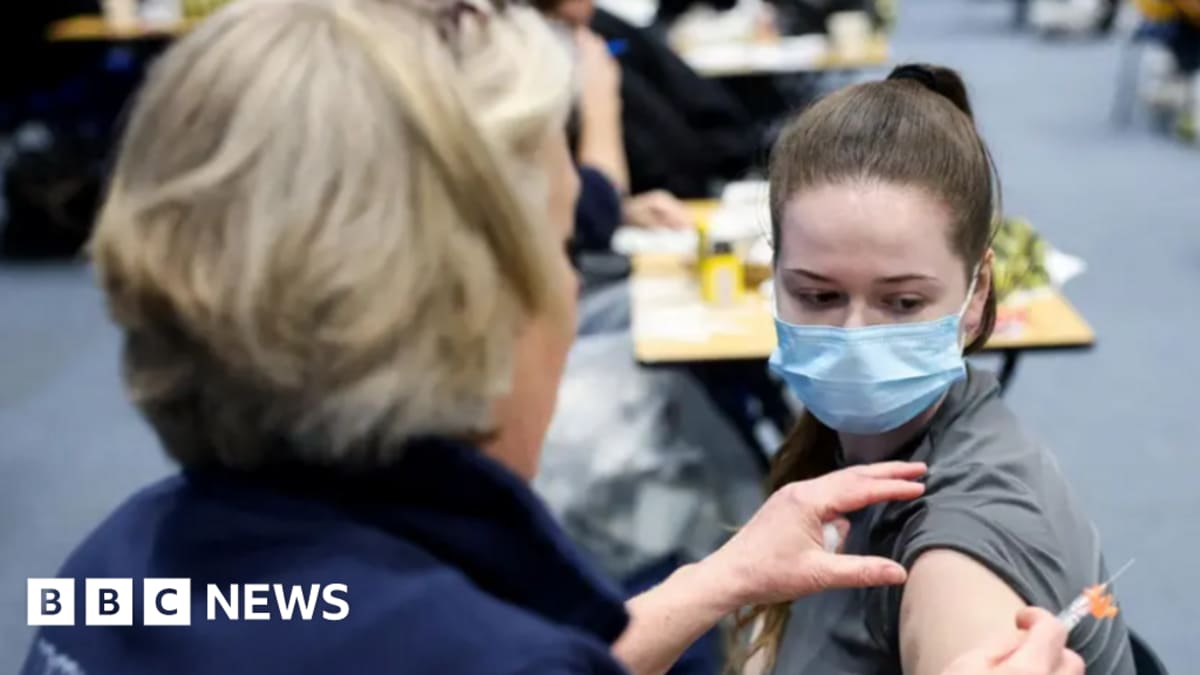
A new vaccine could soon protect people from Lyme disease for the first time in over 20 years. Pfizer and Valneva's candidate showed over 70% effectiveness in preventing the tick-borne illness that affects hundreds of thousands annually.
After decades without protection, people may soon have a weapon against Lyme disease, the debilitating tick-borne illness that strikes an estimated 476,000 Americans each year.
Pfizer and Valneva announced their vaccine candidate, PF-07307405, achieved over 70% efficacy in preventing Lyme disease during a large Phase 3 clinical trial. If approved by regulators, it would become the first human vaccine available to protect against this growing health threat.
The timing couldn't be better. Climate change has expanded tick habitats across North America and Europe, exposing more people to the bacteria that causes Lyme disease. What starts as a rash can progress to joint pain, neurological problems, and chronic fatigue that lasts for years.
The vaccine works by training the immune system to recognize and fight the Borrelia bacteria before it can establish infection. Researchers tested it on thousands of participants in areas where Lyme disease is common, tracking who got sick over multiple tick seasons.
While the vaccine technically missed its primary endpoint in the trial's statistical framework, secondary analyses revealed strong real-world protection. Over 70% of vaccinated participants avoided Lyme disease compared to those who received a placebo, a result that excites public health experts.
The last Lyme vaccine, LYMErix, was voluntarily withdrawn in 2002 due to low sales and controversy, leaving people with only bug spray and vigilance as defenses. For outdoor enthusiasts, workers, and families in endemic areas, this new option represents genuine freedom.
The Ripple Effect
Beyond individual protection, widespread vaccination could reduce the overall burden of Lyme disease on healthcare systems. Fewer cases mean fewer misdiagnoses, less chronic illness, and reduced need for long-term antibiotic treatments that contribute to resistance problems.
Parents in tick-heavy regions like the Northeast and Upper Midwest have been especially cautious, sometimes limiting their children's outdoor activities. A vaccine would restore the simple joy of playing in the yard or hiking without constant worry.
The pharmaceutical companies plan to submit their data to regulatory agencies soon, with potential approval possible within the next year.
Millions who love the outdoors may soon explore forests and fields with one less fear holding them back.
More Images




Based on reporting by Google News - Vaccine Success
This story was written by BrightWire based on verified news reports.
Spread the positivity!
Share this good news with someone who needs it