First Mars Photo Turns 50: How Viking 1 Changed Everything
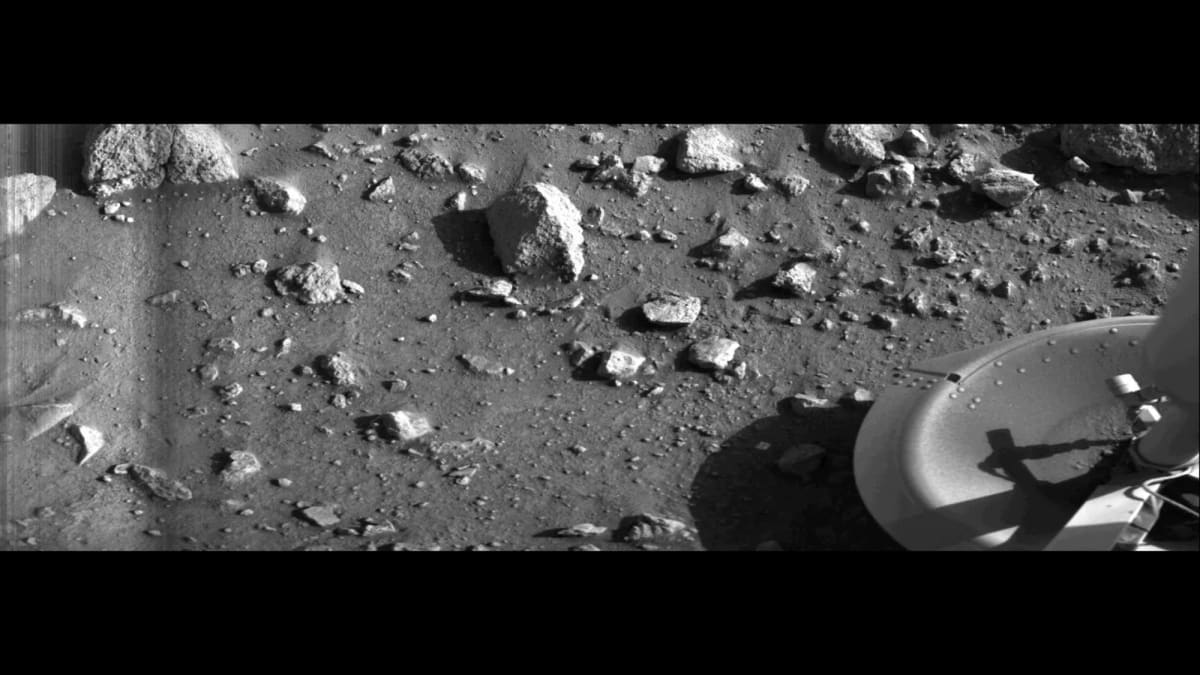
Fifty years ago, a grainy black and white photo changed how we see the universe. NASA's Viking 1 lander snapped the first close-up image of Mars on July 20, 1976, opening the door to decades of Red Planet exploration.
Fifty years ago this week, humanity got its first real look at the surface of another planet, and nothing was quite the same after.
On July 20, 1976, NASA's Viking 1 lander touched down on Mars and immediately started snapping photos. The first image looked simple: rocks, dust, and a grainy horizon. But that photograph represented something extraordinary: proof that we could not only reach Mars but actually survive there long enough to tell the story.
Before Viking 1, Mars existed mostly in our imaginations. Science fiction writers like Ray Bradbury dreamed up elaborate civilizations and alien landscapes. The Soviet Union had tried landing on Mars multiple times, but each attempt ended in failure. Their Mars 3 lander did survive touchdown in 1971, but contact was lost in less than two minutes.
Viking 1 didn't just survive. The lander was designed to study Mars for 90 days. Instead, it kept working for over six years, sending back data that revolutionized our understanding of the planet.
The mission worked alongside an orbiter circling Mars, and was soon joined by Viking 2, a companion lander and orbiter pair. Together, these spacecraft transformed Mars from a mysterious red dot in the sky to a real place we could study and understand.
Why This Inspires
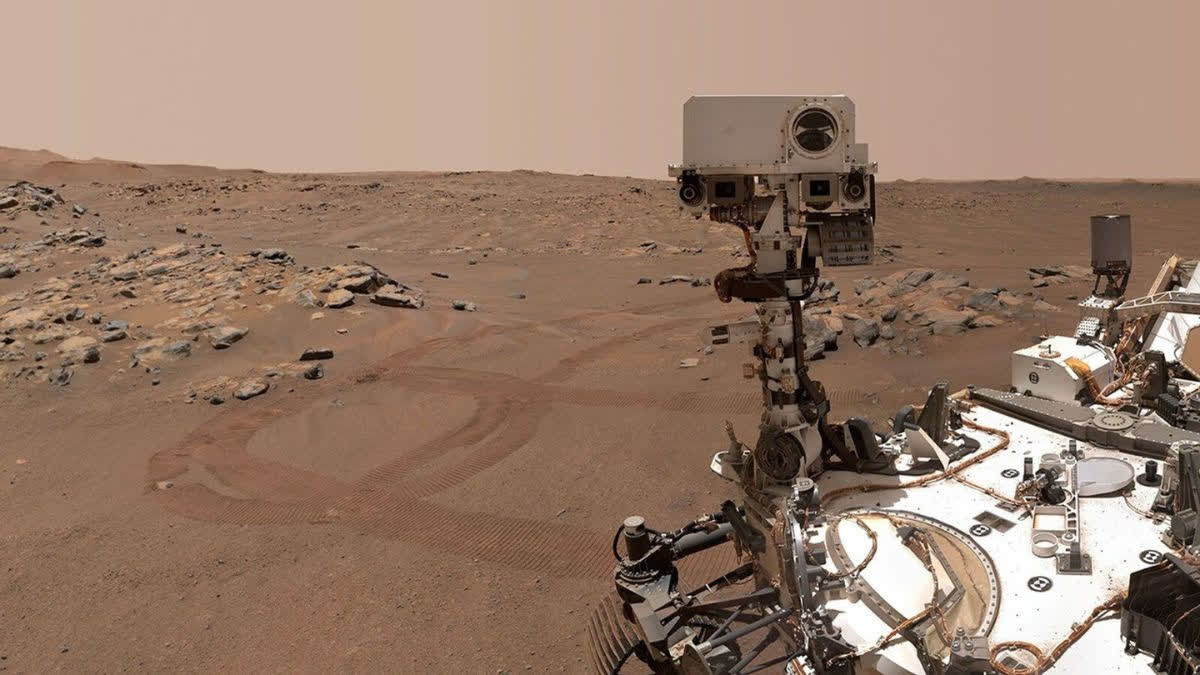
That first grainy photograph might not look like much compared to the crystal-clear images NASA rovers send back today. But it represents the moment when Mars stopped being science fiction and became science fact.
Every rover that has rolled across Martian soil since the 1990s, every mission that has searched for signs of ancient water or possible life, every plan to someday send humans to the Red Planet traces its roots back to Viking 1's successful landing. The mission proved what was possible and inspired generations of scientists and engineers to keep pushing further.
In the five decades since that first photo, we've gathered mountains of data about Mars, discovered evidence of ancient rivers and lakes, and even flown a helicopter in its thin atmosphere. Each achievement builds on the foundation Viking 1 laid all those years ago.
That simple black and white image reminds us that every giant leap begins with a single step, and sometimes the most important breakthroughs look deceptively ordinary at first glance.
---
More Images

Based on reporting by Google News - Science
This story was written by BrightWire based on verified news reports.
Spread the positivity!
Share this good news with someone who needs it