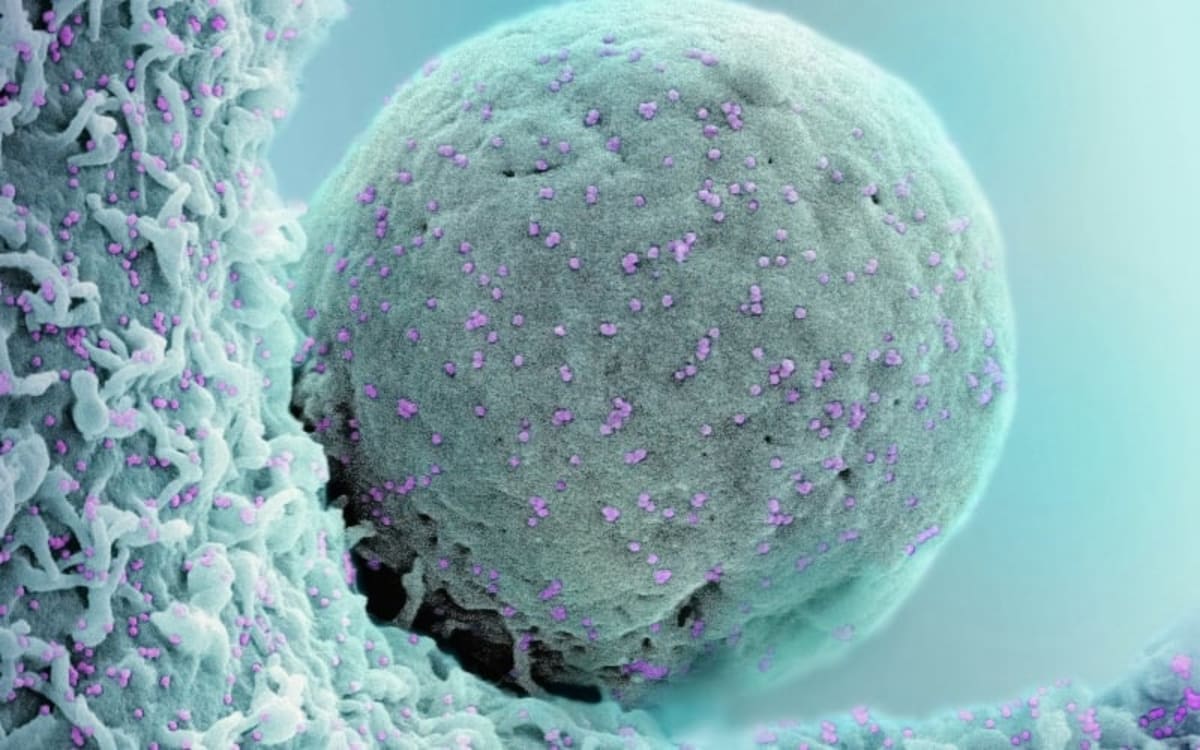
First Nipah Vaccine Enters Human Trials This April
Scientists in Japan are launching the first human trial of a Nipah vaccine in April, targeting a virus that kills up to 75% of those infected. With no current treatment available, this breakthrough could save thousands of lives in regions where outbreaks occur.
A deadly virus with no cure is finally meeting its match.
Researchers at the University of Tokyo will begin the first human trials of a Nipah virus vaccine in Belgium this April. The vaccine targets a disease so lethal that between 40% and 75% of infected people die, depending on how quickly they receive care.
Right now, no licensed vaccine or treatment exists for Nipah virus infection. Doctors can only provide supportive care and hope patients pull through.
The new vaccine works by inserting a piece of Nipah's genetic code into a modified measles virus. When injected, it teaches the body to recognize and fight off Nipah before symptoms can develop. The measles virus used in the vaccine has been safely administered worldwide for decades.
Animal trials with hamsters already proved the vaccine works and doesn't cause harmful side effects. Now 60 human volunteers will test whether it's safe for widespread use in Phase 1 trials.
The timing couldn't be more critical. India reported two confirmed Nipah cases in West Bengal just this January, reminding the world that outbreaks can strike at any time.
Nipah spreads from fruit bats to humans through contaminated food or direct contact. Pigs and other animals can also carry the virus. In healthcare settings, the disease sometimes jumps between people during close, prolonged contact.
Infected people might show no symptoms at all, or they could develop severe breathing problems and deadly brain inflammation. Early detection makes the difference between survival and death.
The Ripple Effect
The World Health Organization considers Nipah important enough to list it as a priority disease in their Research and Development Blueprint. That designation helps direct funding and attention to vaccines that could prevent future pandemics.
Scientists at Oxford University are also joining the fight. They started Phase 2 trials of their own Nipah vaccine candidate in Bangladesh last December, with 300 volunteers aged 18 to 55 participating.
Two separate vaccine trials running simultaneously doubles the chances that at least one will succeed. If both work, healthcare systems in vulnerable regions could choose whichever vaccine suits their needs and budgets better.
Communities in South and Southeast Asia, where most outbreaks happen, could finally breathe easier knowing protection exists.
After years of watching Nipah claim lives with no defense available, researchers are turning the tide with science that saves.
More Images
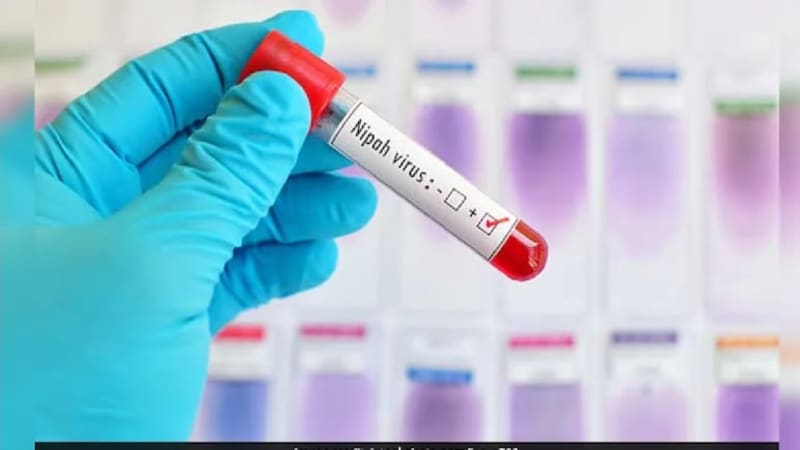
Based on reporting by Google News - Health Breakthrough
This story was written by BrightWire based on verified news reports.
Spread the positivity!
Share this good news with someone who needs it