First Osprey Chick Hatches in Southern England for 2026
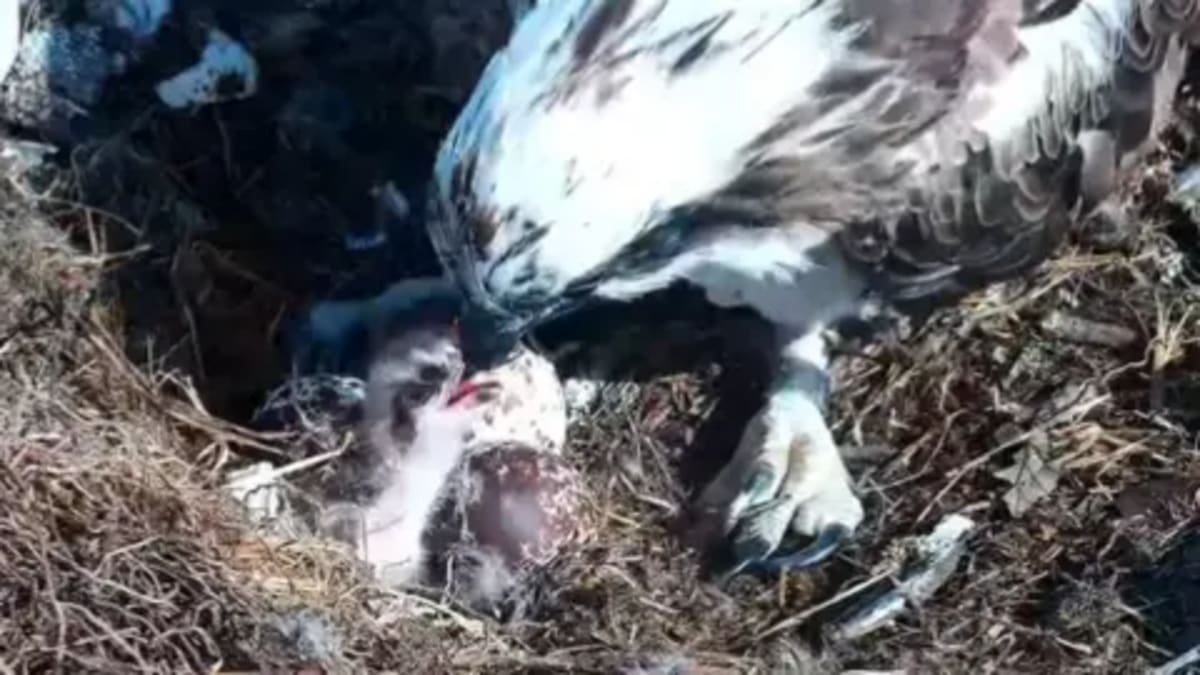
A rare breeding pair of ospreys in southern England just welcomed their first chick of the season, marking another win for a conservation effort bringing these magnificent birds back after 180 years. The tiny hatchling emerged Friday afternoon in Dorset, kicking off what could be another record year for the recovering population.
The only breeding ospreys in southern England have a new addition to their family, and conservationists are celebrating.
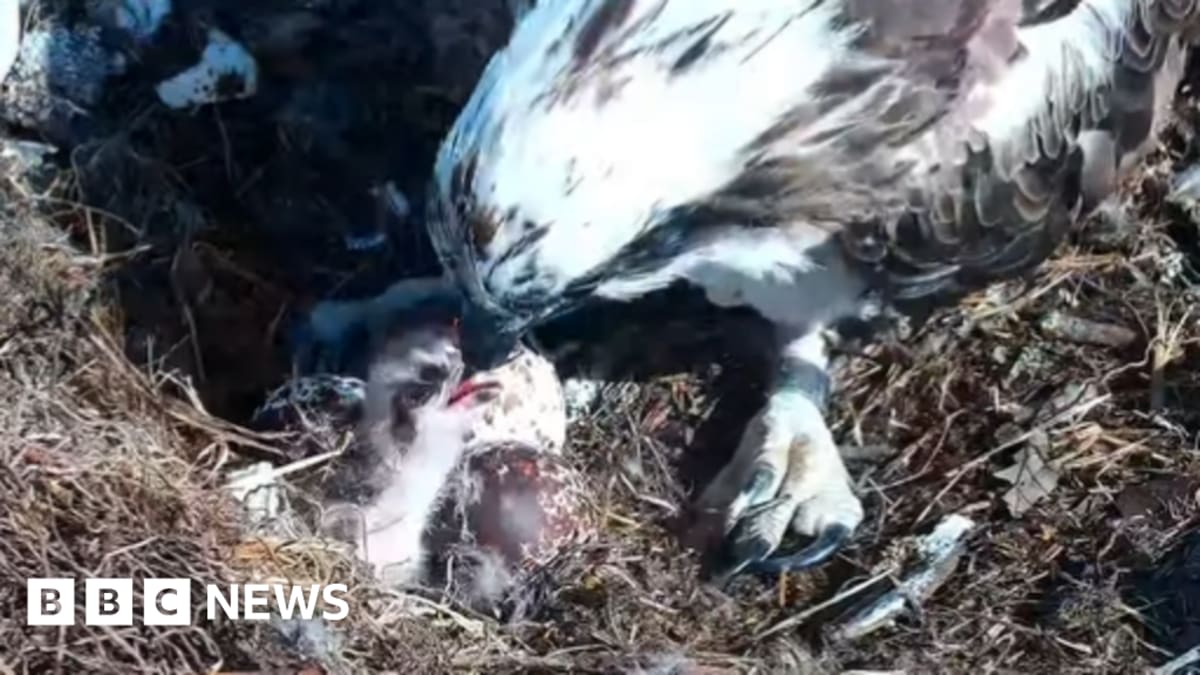
Female CJ7 and male 022 welcomed their first chick of 2026 on Friday at 15:10 BST at their nest site in a walled garden near Poole Harbour in Dorset. The tiny bird pecked its way out of one of four eggs the pair laid in April, their third consecutive year producing such a large clutch.
Birds of Poole Harbour, the conservation charity running the reintroduction program, called it a "great start to what will hopefully be another big successful year." The organization has been working since 2017 to bring ospreys back to England's south coast.
CJ7 and 022 have become conservation superstars since they started nesting together in 2022. They've successfully raised three chicks in 2023, four in 2024, and another four in 2025. Their dedication is helping rebuild a population that vanished from the south coast 180 years ago.
This year started smoothly for the pair. CJ7 returned to the nest on March 25, with 022 arriving just one day later. That's a far cry from last spring, when CJ7 discovered 022 had been sharing the nest with another female during her absence.
The reintroduction program relocated up to 14 osprey chicks from Scotland each year between 2017 and 2021, releasing them around Poole Harbour. The young birds typically leave for West Africa in August or September, spending a few years there before returning to Dorset when they're ready to start families of their own.
The Ripple Effect
Every chick that hatches represents more than just one bird. It's proof that careful conservation work can reverse centuries of decline. Each fledgling that eventually returns to breed means the south coast population grows stronger and more self-sustaining.
The success of CJ7 and 022 also inspires other relocated ospreys to settle and breed in the area. Their four remaining eggs could hatch in the coming days, potentially giving them another bumper year of chicks to raise and release into the wild.
Now, conservation teams and bird lovers across England are watching and waiting to see if the other three eggs will hatch, bringing even more hope to the skies above Dorset.
More Images

Based on reporting by BBC Science
This story was written by BrightWire based on verified news reports.
Spread the positivity!
Share this good news with someone who needs it