First Palm Cockatoo Chick Fledges From Artificial Nest
A rare palm cockatoo chick successfully fledged from a human-made nest in Australia, marking a major conservation breakthrough for one of the country's most endangered parrots. With fewer than 2,000 left in the wild, this success could signal hope for the species' recovery.
A fluffy palm cockatoo chick just made history by becoming the first of its species to successfully fledge from an artificial nest in Australia, giving new hope to one of the country's rarest parrots.
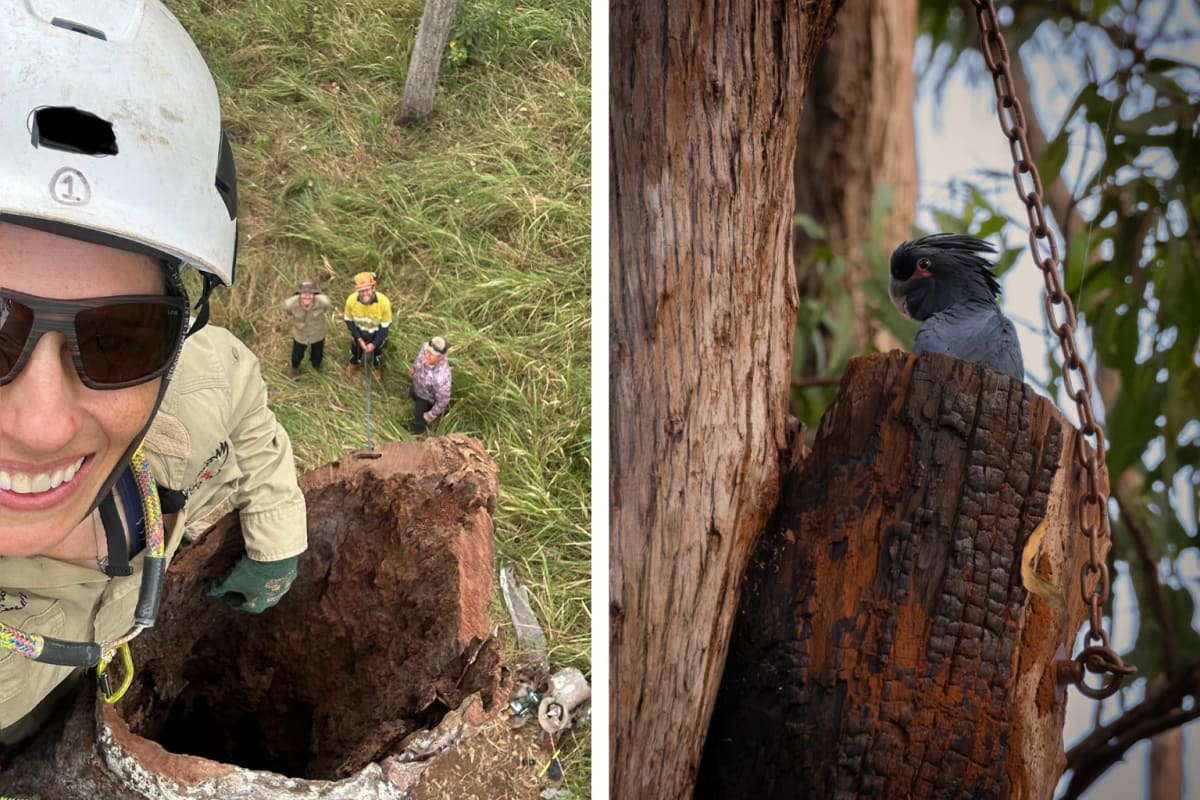
The breakthrough happened on Queensland's remote Cape York Peninsula, where conservationists installed 29 artificial log hollows as part of a breeding habitat restoration project. Just one month after installation, a palm cockatoo pair moved in and laid an egg.
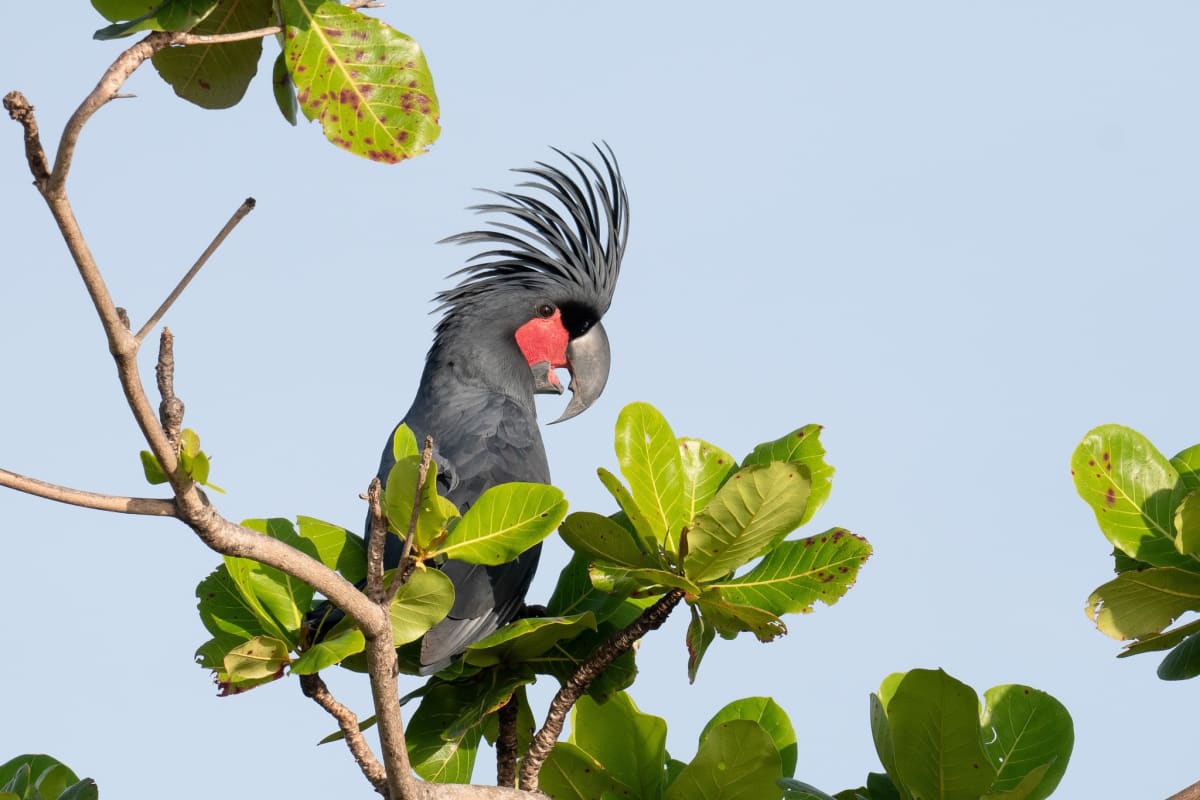
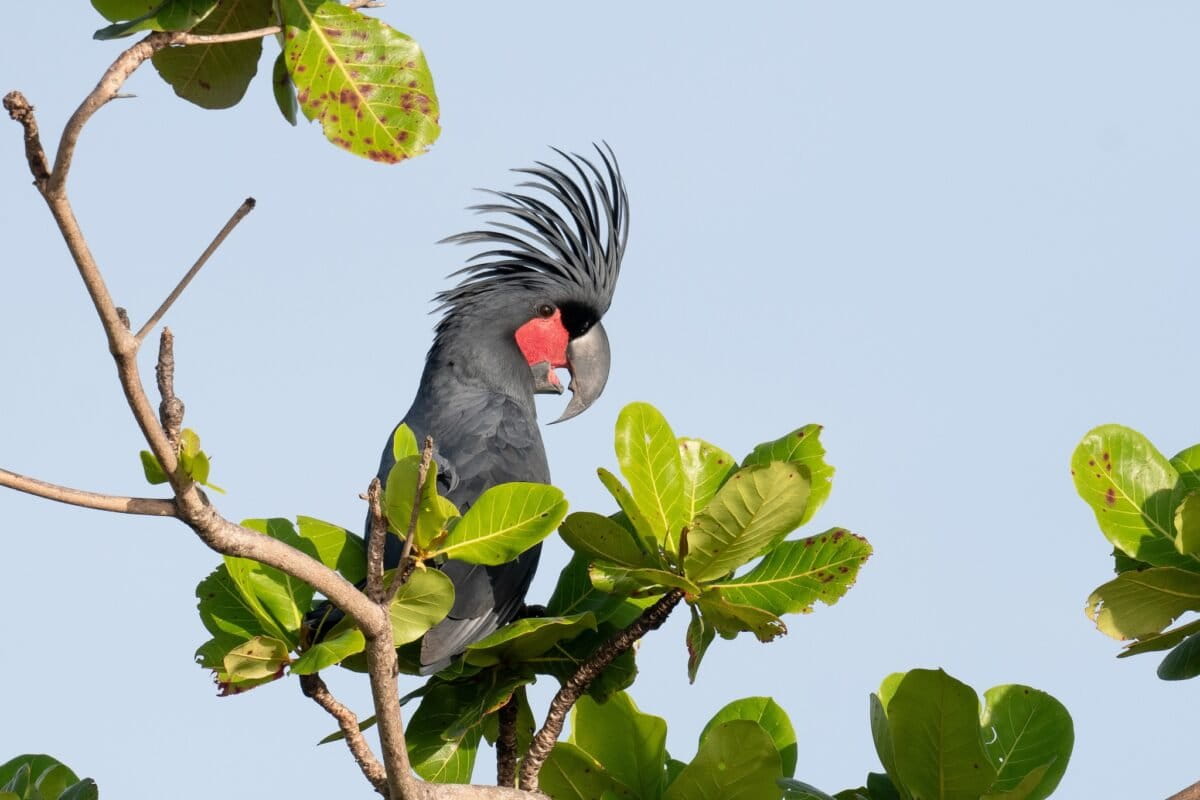
Palm cockatoos are stunning black parrots with bright red cheek patches and dramatic crests. Males are famous for crafting drumsticks from sticks and seed pods to tap out rhythms on hollow trees during courtship.
But their slow breeding habits make survival challenging. Females lay just one egg roughly every two years, carefully selecting hollows in old-growth trees to build stick platforms for nesting.
Loss of these natural tree hollows has pushed the species toward extinction. Unnaturally hot fires and land clearing for bauxite mining have destroyed critical nesting sites, leaving possibly fewer than 2,000 palm cockatoos in Australian rainforests and savanna woodlands.
That's what makes this artificial hollow success so remarkable. The conservation team from People For Wildlife partnered with local Traditional Owners and palm cockatoo expert Christina Zdenek to design hollows based on years of research and Indigenous knowledge.
Remote cameras captured the moment the chick emerged from its human-made home in December 2025. "Witnessing a successful fledgling event is rare as it is," Zdenek said, "but to do so out of a hollow erected by humans, that's incredible!"
The Ripple Effect
This tiny chick represents more than just one bird. Palm cockatoos play a crucial role in their ecosystem, using their massive beaks to crack open large seed pods that no other creature can open, spreading rainforest seeds throughout their habitat.
The successful fledging proves that thoughtful conservation interventions can work. The team plans to expand the project if funding allows, potentially creating dozens more nesting opportunities.
"This is truly hard work paying off," said Daniel Natusch, executive director of People For Wildlife. "It's a testament to the power of collaboration between Traditional Owners, scientists, and conservationists."
One chick might seem small, but for a species that breeds this slowly, every single bird counts toward survival.
More Images

Based on reporting by Mongabay
This story was written by BrightWire based on verified news reports.
Spread the positivity!
Share this good news with someone who needs it