First Photos Capture Rare Antelope Missing for 20 Years
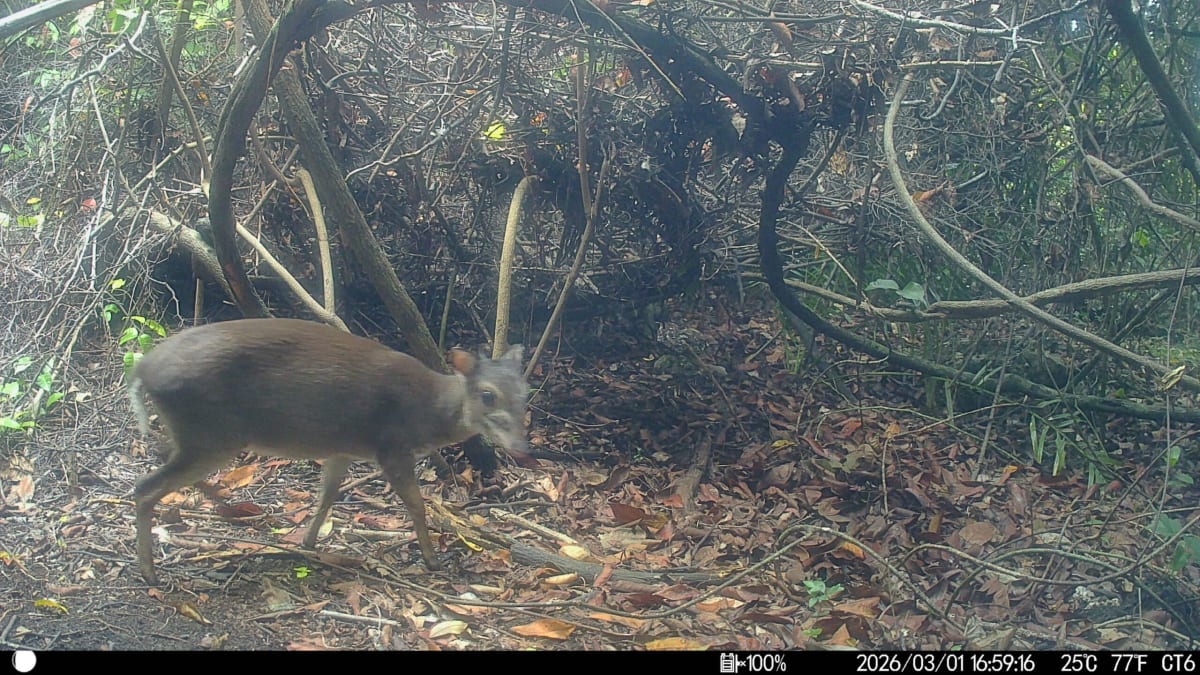
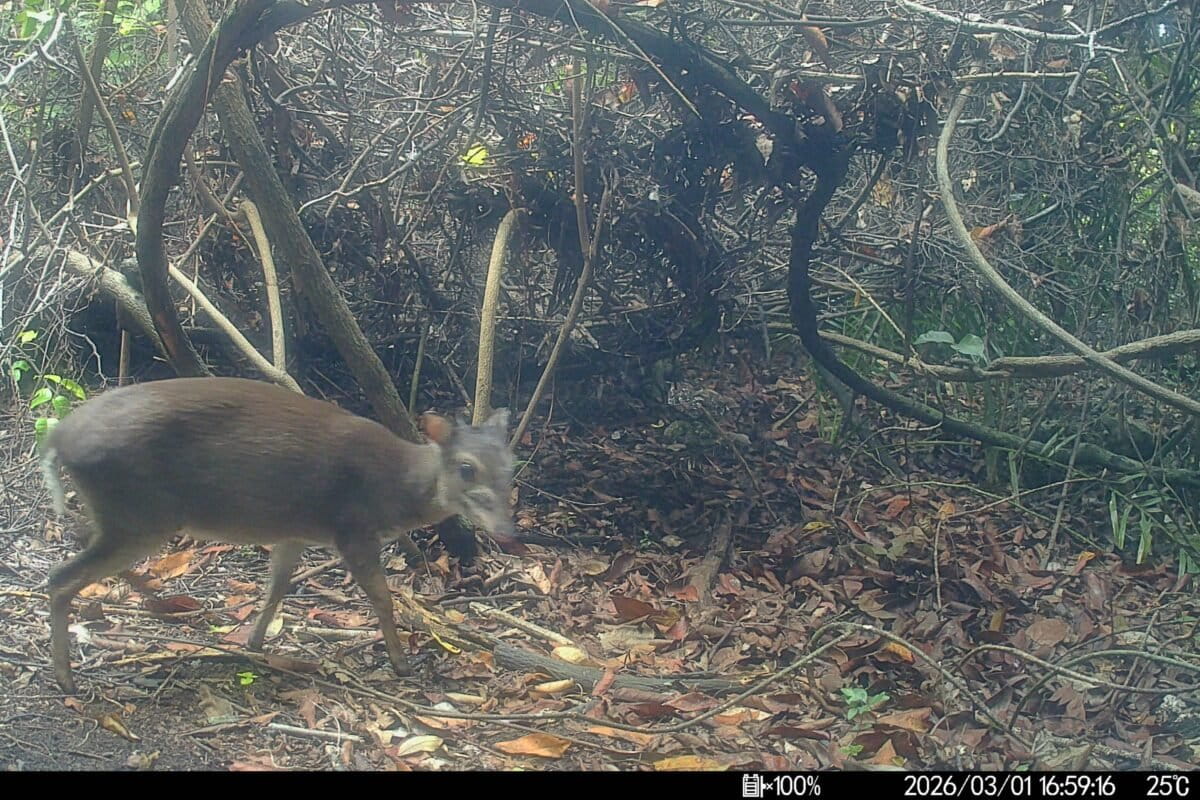
Camera traps just photographed the elusive Pemba blue duiker for the first time in over two decades on Zanzibar's Pemba Island. The tiny antelope, standing just 12 inches tall, was found thriving across half of the island's protected forest reserve.
A tiny antelope missing from the record books for more than 20 years has finally been photographed, proving these elusive creatures are alive and thriving on a remote island off Tanzania.
Conservationists placed 20 motion-activated cameras across Ngezi Nature Forest Reserve on Zanzibar's Pemba Island in January. The cameras captured the first-ever photographic evidence of the Pemba blue duiker, an antelope so small it stands just 12 inches tall at the shoulder.
Ecologist Margherita Rinaldi worked with local forest guards who knew exactly where to look. These experienced guides spotted nearly invisible trails cutting through thick undergrowth where the shy animals pass.
The results exceeded expectations. The cameras detected blue duikers across at least half of the 5,000-acre reserve, showing a healthy, well-distributed population.
"We're just excited they're there and well distributed," said Silvia Ceppi, a scientific adviser to conservation group Istituto Oikos. The team also collected droppings that could reveal whether these island animals are genetically distinct from their mainland relatives.
Scientists believe the duikers might have been introduced to Pemba over a century ago, or they could be a naturally isolated population that's been separated for thousands of years. DNA testing will finally answer this question.
The Ripple Effect
Proving the Pemba blue duiker is a unique subspecies could protect far more than just these tiny antelopes. The designation would strengthen conservation efforts for the entire Ngezi forest ecosystem, home to rare birds like the Pemba scops-owl, flying foxes, and 500 plant species found nowhere else.
This matters now more than ever. An eco-resort is planned across a large section of intact coastal forest within the reserve. Additionally, illegal logging and animal trapping threaten the Tondooni Peninsula area where many duikers were photographed.
But help is arriving. New funding has enabled hiring additional guards to protect both the duikers and their disappearing habitat. The conservation work has attracted support from multiple international organizations committed to preserving this unique ecosystem.
Conservation biologist Hanna Rosti from the University of Helsinki emphasized why documenting these small mammals matters so much. "Conservation of Ngezi is extremely important, as this only remaining patch still holds undescribed species," she said.
After two decades in the shadows, the Pemba blue duiker is finally getting the attention it needs to survive.
More Images



Based on reporting by Mongabay
This story was written by BrightWire based on verified news reports.
Spread the positivity!
Share this good news with someone who needs it