First Sodium-Ion Battery Powers Wisconsin Grid
A groundbreaking energy storage system in Wisconsin marks America's shift away from lithium batteries toward more sustainable grid technology. The project could reshape how the entire Midwest powers its future.
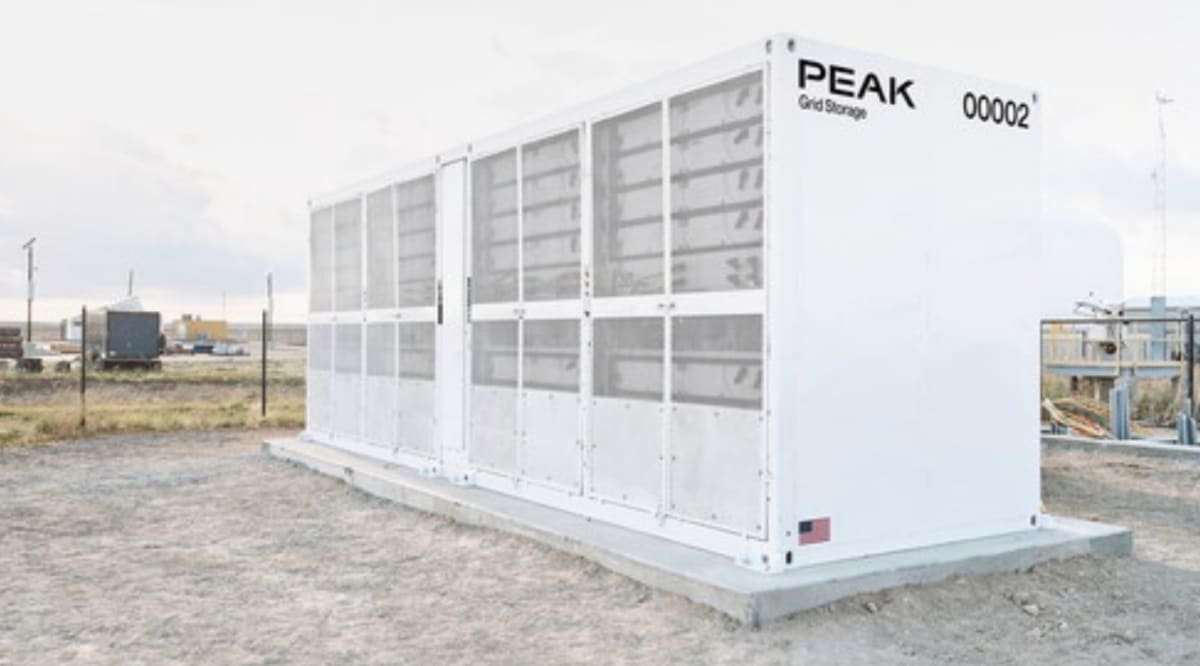
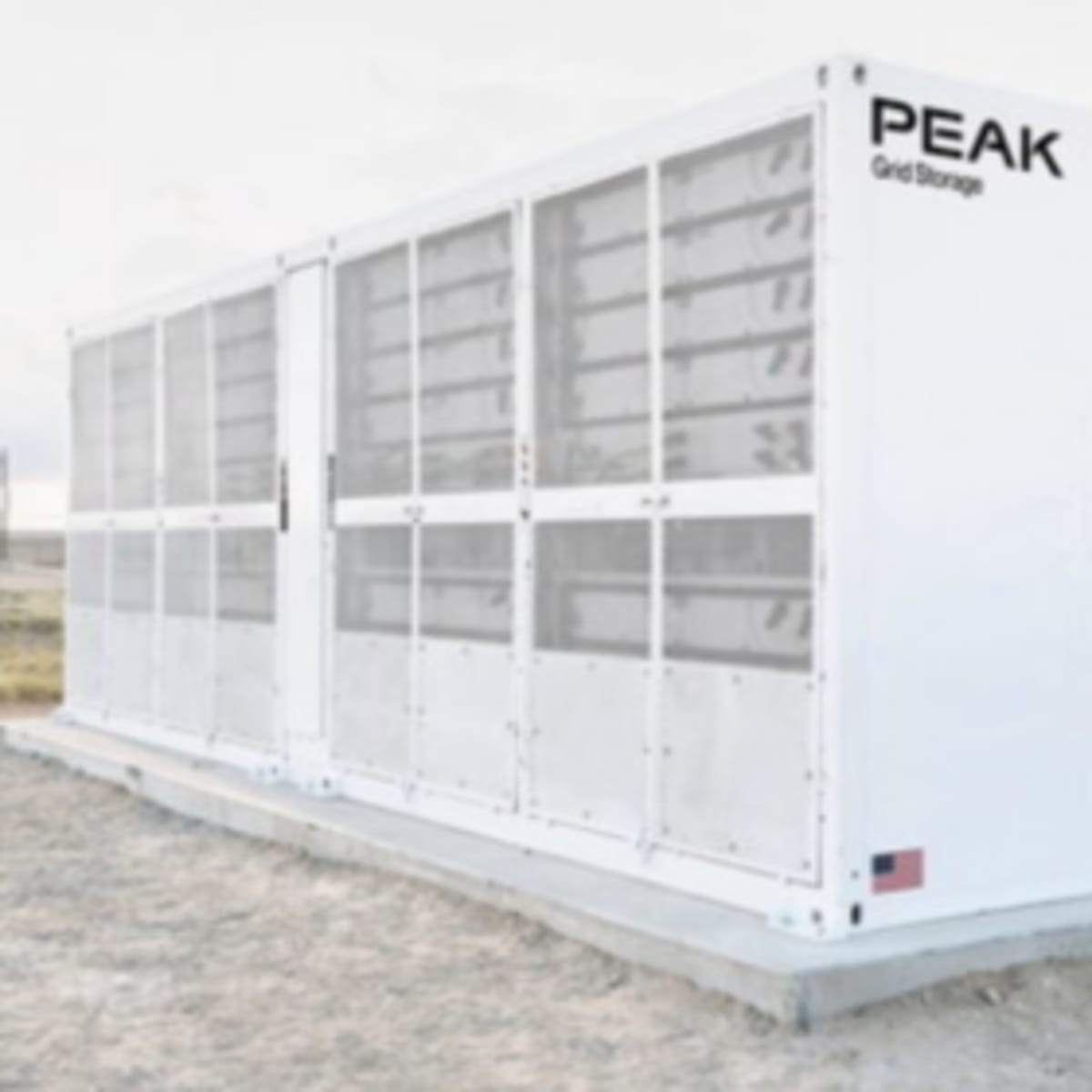
America's energy grid just got a game-changing upgrade that doesn't rely on scarce lithium. In Eastern Wisconsin, energy companies RWE Americas and Peak Energy have deployed the first sodium-ion battery system for the Midcontinent Independent System Operator, the grid that powers 15 states across the Midwest.
This isn't just another battery installation. Sodium-ion technology uses common table salt ingredients instead of rare lithium, making it cheaper, safer, and better for the environment.
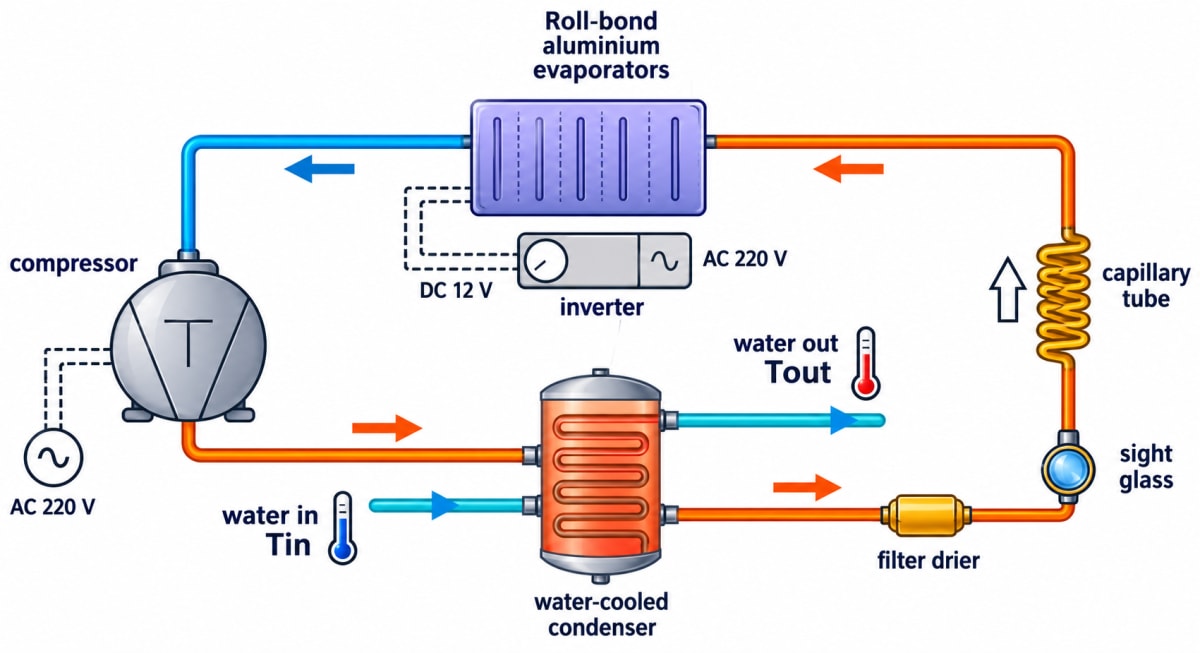
Peak Energy's system runs without active cooling, slashing maintenance costs and energy waste. The company already installed America's largest sodium-ion grid storage system just eight months ago, proving this technology works at scale.
The timing couldn't be better for MISO. The grid operator faces mounting challenges: capacity constraints, soaring costs, and waves of solar project cancellations that threaten to slow clean energy progress across the heartland.
The Ripple Effect
This Wisconsin project signals a turning point for American energy infrastructure. While the world scrambles for limited lithium supplies, sodium-ion batteries offer an abundant alternative that every coastal nation can access.
The technology could unlock stalled renewable projects across the Midwest. When battery costs drop and supply chains simplify, solar and wind farms become viable again in communities that desperately need clean, reliable power.
Other grid operators are watching closely. If MISO's sodium-ion pilot succeeds, expect similar deployments from California to the Carolinas within years, not decades.
Meanwhile, global researchers keep pushing boundaries. Malaysia recently unveiled a sodium-ion prototype exceeding 300 watt-hours per kilogram, ranking among the world's most advanced systems and proving this technology's potential extends far beyond today's capabilities.
The shift from lithium to sodium represents more than swapping one element for another. It's about building an energy future that doesn't depend on geopolitical supply chains or environmentally destructive mining practices.
Wisconsin's new battery proves America can lead the clean energy transition with technology that's accessible, affordable, and ready right now.
More Images
Based on reporting by PV Magazine
This story was written by BrightWire based on verified news reports.
Spread the positivity!
Share this good news with someone who needs it