First US Jellyfish Museum Opens in Florida
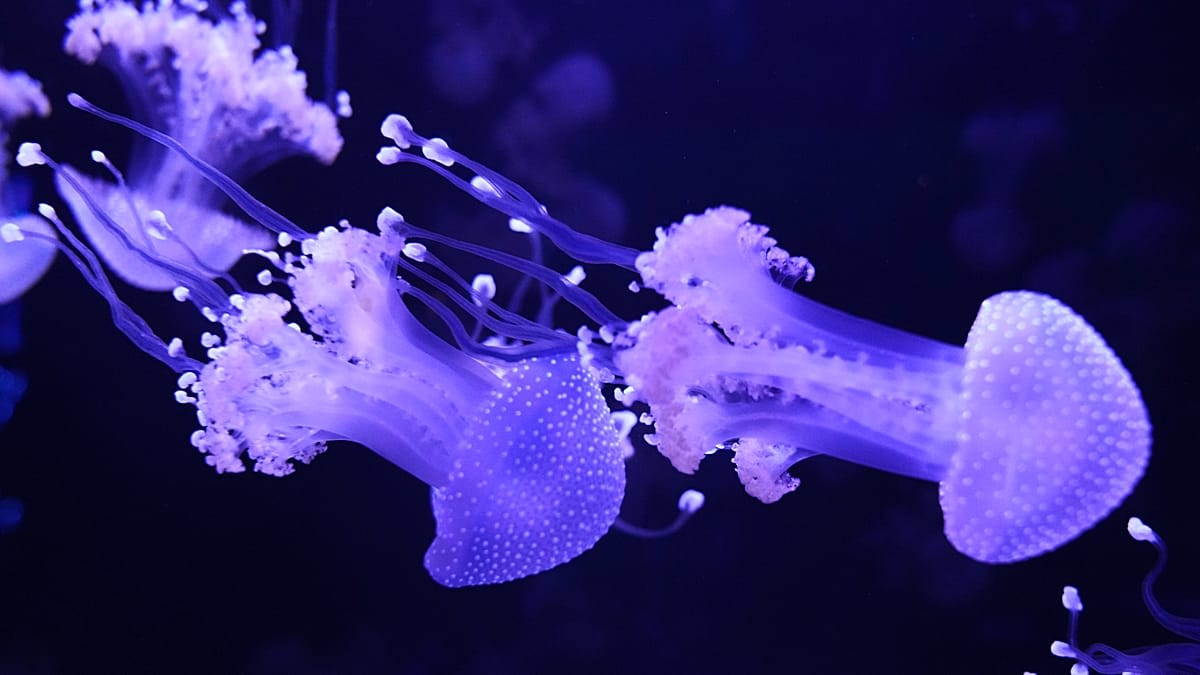
Pompano Beach, Florida just unveiled America's first museum dedicated entirely to jellyfish, where visitors can watch 20 glowing species drift through tanks while learning how these ancient creatures might help cure diseases. The museum transforms a former bank into an underwater sanctuary that's equal parts education and meditation.
A former bank branch in Pompano Beach, Florida has become an unlikely sanctuary for some of the ocean's most mesmerizing creatures.
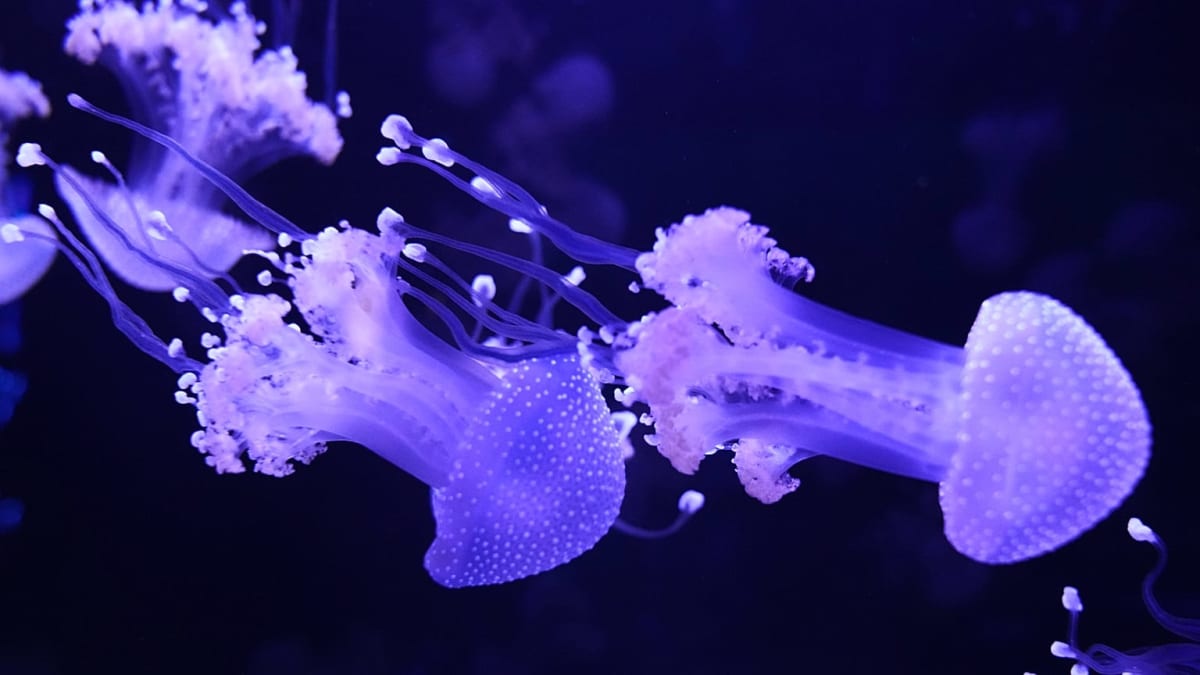
The new Jellyfish Museum welcomes visitors to watch moon jellies, sea nettles, and 18 other species pulse gracefully through 21 glowing tanks. It's the first museum in the United States devoted entirely to these ancient animals, which have existed for over 500 million years.
General manager Iryna Pelypkanych says the museum aims to teach people about the roughly 4,000 known jellyfish species and their crucial role in marine ecosystems. Most people only think of jellyfish as beach annoyances, but these creatures are essential indicators of ocean health and climate change.
The museum goes beyond just pretty displays. Research teams are exploring how certain jellyfish species could help treat serious diseases, including cancer. Some jellyfish produce proteins that scientists believe may unlock new medical treatments.
Staff transformed the former bank into an immersive experience where visitors can observe everything from tiny, transparent jellies to larger pulsing specimens. Each tank recreates specific ocean conditions to keep the delicate creatures thriving.
The Ripple Effect
The museum is already making waves beyond Pompano Beach. Marine biology students from nearby universities use it as a living laboratory, while local schools are booking field trips months in advance. Teachers report that kids who were initially scared of jellyfish leave fascinated and protective of ocean life.
The calming effect of watching jellyfish drift has surprised even the staff. Visitors often spend far longer than planned, mesmerized by the rhythmic movements and soft glow of the tanks. Some return weekly, treating it like a meditation session.
The museum also runs conservation programs, teaching visitors about plastic pollution and how it affects jellyfish populations. When jellyfish numbers spike unnaturally, it's often a sign that ocean ecosystems are out of balance.
Staff members hope every guest leaves not just calmer, but more curious about the ocean and motivated to protect it.
More Images


Based on reporting by Euronews
This story was written by BrightWire based on verified news reports.
Spread the positivity!
Share this good news with someone who needs it

%2Ffile%2Fattachments%2Forphans%2Ffallows-shark-bookcopy_187762.jpg)