First Vitiligo Cream Now Free on England's NHS
A breakthrough cream that targets the root cause of vitiligo will now be available free through England's NHS, offering hope to people living with the skin condition. The treatment has shown remarkable results in restoring skin pigmentation for thousands who previously had limited options.
People with vitiligo in England just gained access to a treatment that actually works on what causes their condition, not just the symptoms.
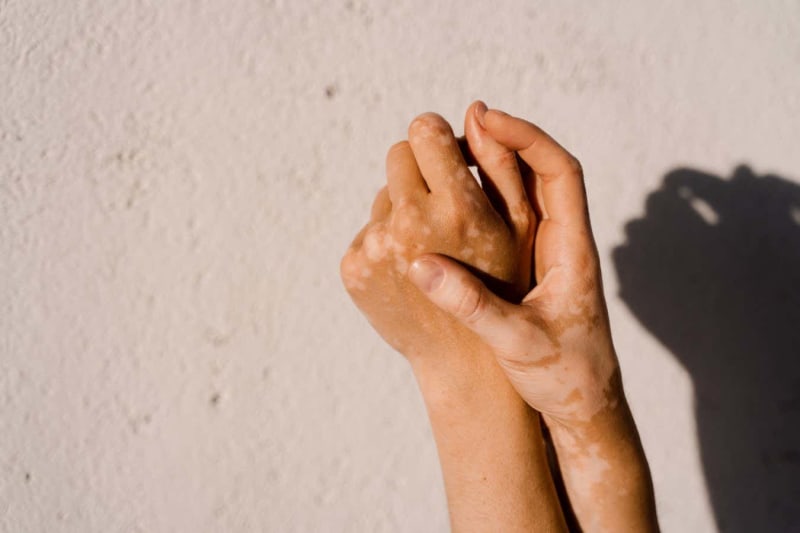
The National Health Service will now provide ruxolitinib cream, sold as Opzelura, to people aged 12 and older with non-segmental vitiligo when other treatments haven't helped. Non-segmental vitiligo creates symmetrical white patches on both sides of the body, affecting about 1 percent of people worldwide.
What makes this cream different is how it works. Vitiligo happens when the immune system mistakenly attacks melanocytes, the cells that create skin pigment. Ruxolitinib blocks two specific enzymes that cause this immune attack, protecting those pigment-making cells instead of broadly suppressing the immune system like older steroid creams do.
The results speak for themselves. Clinical trials published in 2022 showed the cream increased pigmentation and reduced the noticeability of vitiligo patches across all skin tones. More than a third of participants maintained their results for at least a year after stopping treatment.
David Rosmarin at Indiana University, who led the trials, explains that while vitiligo doesn't cause physical pain, it creates real emotional challenges. The condition has been linked to higher rates of depression and anxiety, yet treatments were often dismissed as unnecessary.
Emma Rush at Vitiligo Support UK calls this approval a landmark moment. This is the first drug robustly tested that acts directly on the pathway causing vitiligo, not just masking symptoms.
Safety was a key concern since an oral version of ruxolitinib used for cancer treatment has serious side effects. But the cream version showed only mild reactions like acne and itchiness in trials. Viktoria Eleftheriadou at the British Association of Dermatologists notes the cream has minimal absorption into the body, making it safer than long-term steroid use, which can thin the skin.
The Ripple Effect
This approval sends a powerful message that skin conditions affecting mental health deserve real treatment options. The NHS initially rejected the cream as not cost-effective, but reconsidered after weighing the full impact on people's lives.
Not everyone with vitiligo will choose treatment, and that's okay too. Natalie Ambersley, a vitiligo ambassador for Changing Faces charity, says she's learned to embrace her unique skin after years of trying other treatments. Rush agrees there's room for both perspectives: celebrating your skin as it is and seeking treatment are both valid choices.
The approval gives people something they didn't have before: options that actually address what's happening beneath the surface.
More Images




Based on reporting by New Scientist
This story was written by BrightWire based on verified news reports.
Spread the positivity!
Share this good news with someone who needs it