First Woman Thunderbird Pilot Broke Through 1992 Ban
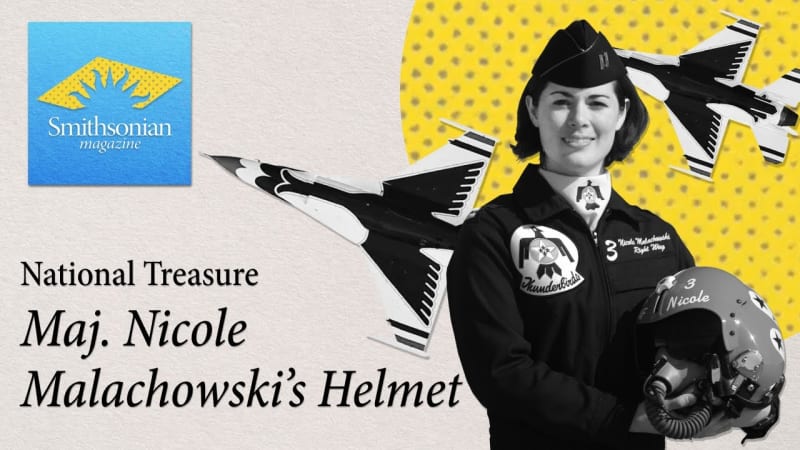
Colonel Nicole Malachowski became the first woman to fly with the elite Thunderbirds after training for a dream that was illegal when she first announced it in sixth grade. Her custom helmet now inspires visitors at the Smithsonian.
When Nicole Malachowski stood up in sixth grade and announced she wanted to be a fighter pilot, her teacher told her to sit down and pick something more realistic. What neither of them knew was that it was actually illegal for women to fly combat missions until 1992.
Malachowski wasn't deterred. She started flying lessons at 12 and flew solo at 16, keeping her dream alive even when the law said no.
A summer trip to the Smithsonian changed everything. In a dusty corner, young Malachowski discovered a small picture of the Women Airforce Service Pilots who flew military aircraft during World War II. They weren't in combat, but they trained men who were.
That discovery reinvigorated her goal. In 1992, Malachowski was accepted to the Air Force Academy the same year the combat flying ban was lifted.
She flew 26 combat missions during Operation Iraqi Freedom. Then in 2005, she was chosen for the ultimate honor: joining the Thunderbirds, the Air Force's elite precision flying team famous for their death-defying aerial acrobatics.
Over two years, Malachowski performed at more than 140 events. She maneuvered her F-16 supersonic jet mere inches from her teammates' planes in tightly coordinated formations that left spectators breathless.
Her custom helmet tells its own story. Unlike standard issue helmets, Thunderbird gear is hand-polished to a mirror shine and decorated with nicknames and team logos. When Malachowski received hers, it came with a note from the artist who painted it.
The note explained that the artist's young daughter had never shown interest in the helmets before. But when she told her daughter this one was for the first woman Thunderbird pilot, the girl wanted to help polish it.
Why This Inspires
Malachowski knew her achievement went beyond personal glory. She understood that seeing a woman in that cockpit would expand what seemed possible for everyone watching from the ground.
The helmet now sits in the National Air and Space Museum's collection of 386 flight helmets. It represents not just technological innovation but human determination to rewrite the rules.
For Malachowski, the message is clear: if she could dream big despite the laws and laughter, anyone can blaze their own trail.
More Images

%2Fhttps%3A%2F%2Ftf-cmsv2-smithsonianmag-media.s3.amazonaws.com%2Ffiler_public%2F7b%2Fa6%2F7ba63a94-309f-45a6-b2d9-84eeaf29d849%2F191213-f-f3751-1001.jpeg)

Based on reporting by Smithsonian
This story was written by BrightWire based on verified news reports.
Spread the positivity!
Share this good news with someone who needs it