Fish Aging Study Shows Common Drug Protects Kidneys
Scientists discovered how a widely prescribed diabetes drug protects aging kidneys by studying a fish that lives just four months. The breakthrough could help millions keep their kidneys healthier as they age.
A tiny fish that lives its entire life in just four months is revealing secrets that could protect human kidneys for decades.
Scientists at MDI Biological Laboratory studied the African turquoise killifish and discovered exactly how SGLT2 inhibitors—drugs already prescribed to millions of people with diabetes—protect kidneys from aging. The findings, published in Kidney International, show these medications do far more than control blood sugar.
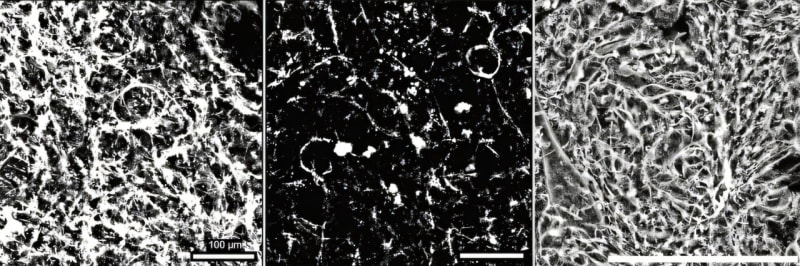
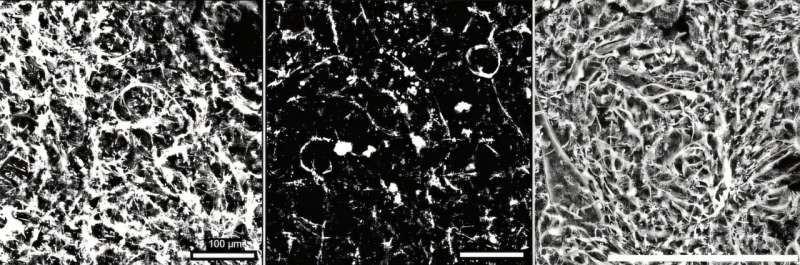
The killifish ages faster than almost any other animal with a backbone, cramming what would be decades of human aging into a few months. As these fish grew older, their kidneys showed the same problems humans face: tiny blood vessels disappeared, filters broke down, inflammation increased, and cells struggled to produce energy.
Then researchers gave some aging fish SGLT2 inhibitors and watched something remarkable happen. The treated fish kept dense networks of healthy blood vessels in their kidneys as they aged. Their kidney filters stayed stronger, their cells produced energy more efficiently, and inflammation stayed low.
"What has been less clear is how they do so," said Dr. Hermann Haller, senior author and President of MDI Biological Laboratory. The study finally provides answers at the cellular level.
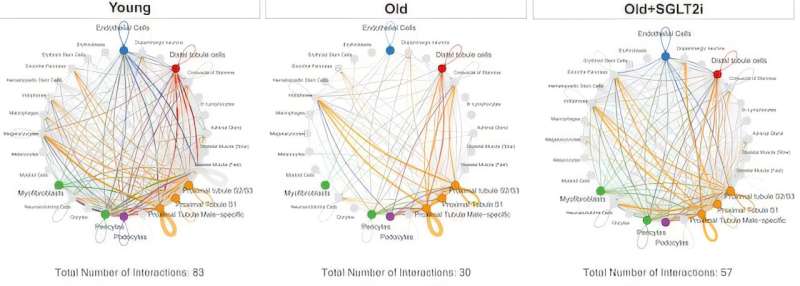
The drug preserved communication between different types of kidney cells and maintained gene activity patterns that looked years younger. It protected the kidney's most vulnerable systems, especially the tiny capillaries that typically disappear with age.
Why This Inspires
Doctors have known for years that SGLT2 inhibitors help patients with heart and kidney disease, even those without diabetes. But understanding why opens new possibilities for keeping organs healthy as we age.
The killifish model means researchers can now test potential treatments in months instead of years. What used to require decades of observation in mice can now be studied quickly in fish with kidneys that age just like ours.
"Seeing these effects emerge so clearly in a rapid-aging model like our killifish was striking," said Dr. Anastasia Paulmann, the study's lead author. She was amazed at how the drug influenced interconnected systems throughout the kidney.
The research team of 13 scientists from three institutions created detailed maps showing how kidney cells talk to each other. In untreated aging fish, these cellular conversations broke down. But fish receiving the drug maintained youthful communication networks between cells.
This discovery helps explain why these medications consistently reduce kidney and heart problems across different patient groups. The benefits stem from protecting fundamental aging processes, not just managing blood sugar.
The breakthrough gives scientists a powerful new tool to test therapies that might help our organs stay resilient as we grow older, potentially adding healthy years to millions of lives.
More Images
Based on reporting by Medical Xpress
This story was written by BrightWire based on verified news reports.
Spread the positivity!
Share this good news with someone who needs it