Tiny Protein Discovery Could Unlock Heart Disease Cures
Scientists just pinpointed a microscopic protein region that keeps hearts beating steadily, opening doors to future treatments for devastating heart conditions. The breakthrough could help millions born with or developing life-threatening heart rhythm problems.
A molecular detective story at Washington State University just revealed a tiny guardian that keeps our hearts beating properly for a lifetime.
Researchers discovered a small region in a protein called leiomodin that acts like a precision engineer, maintaining the exact length of microscopic filaments controlling every heartbeat. Published in the prestigious journal Circulation Research, this finding could eventually lead to treatments for cardiomyopathy and other heart conditions that cause disability and death in families carrying genetic mutations.
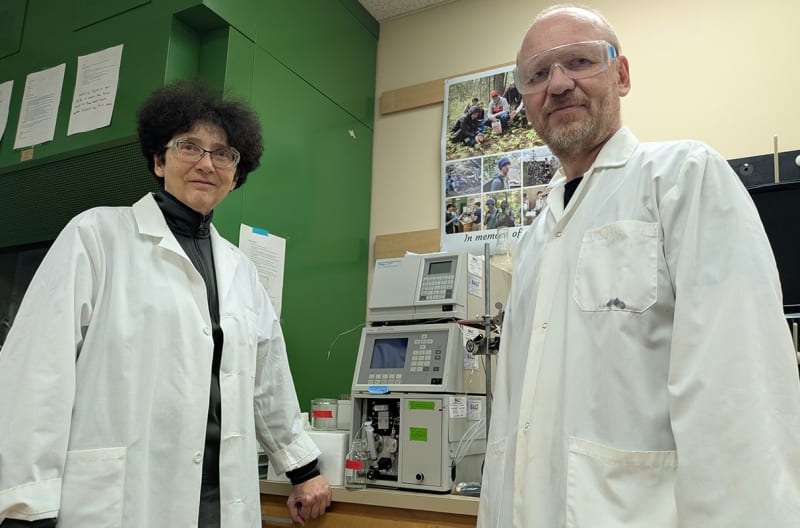
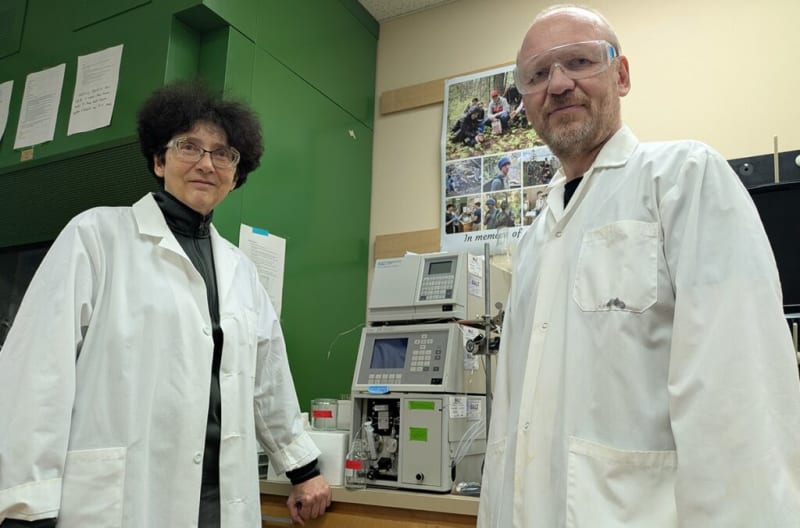
"It's a small part of a big protein that turned out to be extremely important," said Alla Kostyukova, professor of chemical engineering and bioengineering who led the study. Her team worked for years to crack this puzzle.
Here's why this matters: Your heartbeat depends on rope-like protein filaments that bind and unbind in perfect coordination. These thin filaments must stay exactly the right length from the moment you're born through your entire life, constantly renewing themselves while maintaining precise dimensions.
When genetic mutations cause filaments to grow too long or too short, hearts can't work properly. Families affected by cardiomyopathy face serious consequences from this seemingly tiny structural problem.
The breakthrough came when researchers found that leiomodin creates what they call a "leaky cap" at the end of these filaments. Unlike a tight seal, this weaker binding allows the filaments to grow when needed while preventing runaway growth that would disrupt heart function.
The team used nuclear magnetic resonance imaging to analyze the protein's structure with and without mutations. Meanwhile, collaborators at Mount Sinai School of Medicine verified the findings in living animal cells, confirming the region's critical role.
Why This Inspires
This discovery represents years of patient scientific detective work paying off in ways that could transform lives. The researchers identified one more piece of an intricate puzzle that doctors need to solve before developing treatments for heart conditions affecting millions.
The team isn't stopping here. They've now mapped three functional sites in these cardiac proteins and plan to understand how they work together, building toward a future where doctors might use small molecules to fix pathogenic mutations.
"Our hope is to get to the point where we can someday work with small molecules to improve this protein when it has pathogenic mutations," Kostyukova said.
The collaboration brought together structural biology experts with researchers who could test theories in living systems. This partnership proved essential for translating molecular insights into biological understanding that could eventually reach patients.
For families living with inherited heart conditions, this research lights a path forward where precision medicine might one day correct the molecular mistakes causing their loved ones to suffer.
One microscopic protein region down, several more to map, and countless hearts that might beat stronger because of it.
More Images



Based on reporting by Google News - Researchers Find
This story was written by BrightWire based on verified news reports.
Spread the positivity!
Share this good news with someone who needs it