Five Colombian Medical Inventions Changed the World
Colombia quietly revolutionized global healthcare with devices now used in hospitals worldwide. From brain pressure valves to early pacemakers, these life-saving inventions came from a country better known for coffee than medical breakthroughs.
A small valve designed in Barranquilla now regulates brain pressure in patients around the world, saving lives from a condition most people have never heard of.
Colombia doesn't usually come to mind when you think of medical innovation. Coffee, flowers, and music dominate the country's reputation, but some of its most important exports are circulating quietly in hospitals on every continent.
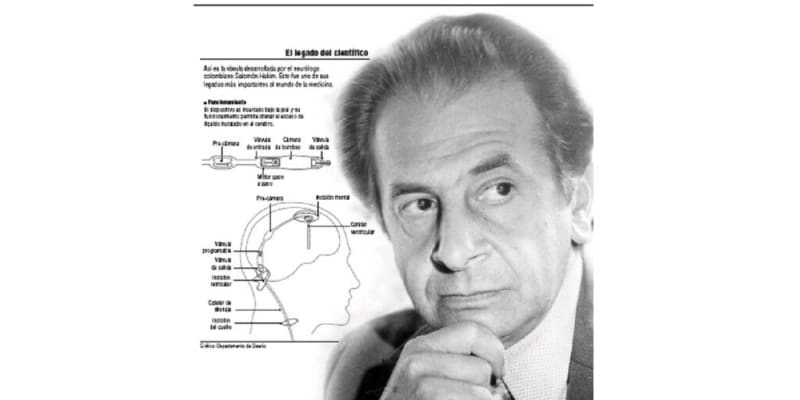
Dr. Salomon Hakim created the Hakim valve in 1966 to treat hydrocephalus, a condition where excess fluid builds up in the brain. The implanted device drains fluid and regulates pressure, offering a practical solution for a problem that affects up to 1.5% of people globally and about 10,000 Colombians.
What made Hakim's design special was its built-in pressure regulation. Earlier treatments were riskier and less reliable, so this Colombian invention didn't just add another medical device to the market. It raised the safety standard for treating a potentially fatal condition.
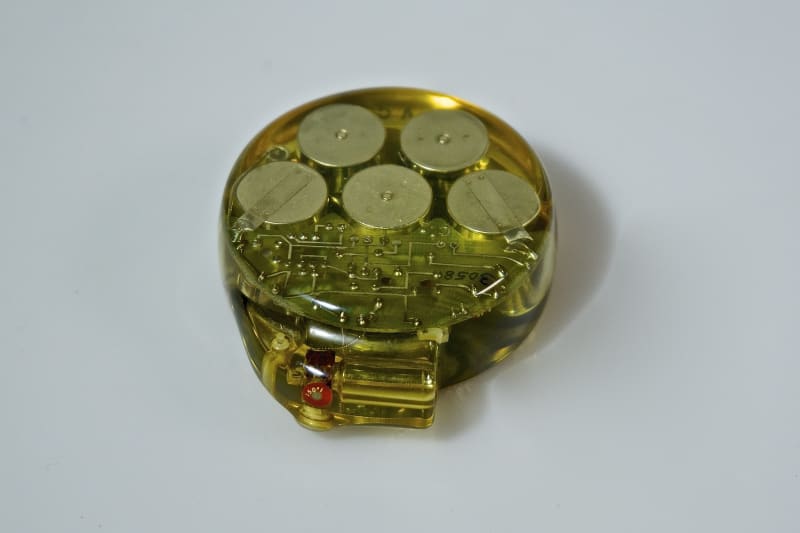
Colombia's pacemaker story is equally surprising. In 1958, physician Alberto Vejarano Laverde and engineer Jorge Reynolds built an external pacemaker that weighed 45 kilograms and ran on a 12-volt car battery. The massive device successfully kept a 70-year-old patient's heart beating when alternatives were scarce.
That heavy prototype was part of the global journey toward the miniaturized pacemakers we know today. Colombia's early work helped pave the way for devices that now fit inside a patient's chest.
The country also contributed to aviation history, though it lost credit for it. Carlos Alban designed a dirigible airship in 1888, receiving a Colombian patent for his "metal-casing balloon." His design preceded the famous rigid airships that would follow, but Colombia's role in that innovation remains largely unknown outside the country.
The Ripple Effect
These inventions share a common thread: they emerged under pressure, when the cost of failure was measured in human lives. Colombia's healthcare challenges pushed its innovators to create solutions that ended up helping people far beyond its borders.
The Hakim valve alone has transformed outcomes for hydrocephalus patients worldwide. Families in dozens of countries benefit from a device designed by a doctor from Barranquilla who saw a problem and engineered a fix.
Colombia's innovation story challenges assumptions about where breakthroughs come from. The next time you hear about a medical device saving lives, there's a chance its origin story begins in a Colombian lab or hospital, built by scientists determined to solve problems that couldn't wait.
Medical progress doesn't always come from the places we expect, and sometimes the quietest contributions make the loudest difference.
More Images
Based on reporting by Regional: colombia innovation (CO)
This story was written by BrightWire based on verified news reports.
Spread the positivity!
Share this good news with someone who needs it