Five Orphaned Bear Cubs Return to Wild After 18 Months
After 18 months of careful rehabilitation with minimal human contact, five orphaned black bear cubs walked back into the wild on Vancouver Island. The North Island Wildlife Recovery Centre has now released over 100 bears in its 25-year history.
Five young black bears are beginning a new chapter after spending their first year and a half learning survival skills at a wildlife recovery center on Vancouver Island.
The North Island Wildlife Recovery Centre released the orphaned cubs back into their natural habitat on June 16, marking another milestone in the organization's 25-year mission to give bears a second chance. The center has now successfully returned more than 100 bears to the wild.
Three cubs named Minto, Shawnee, and Barkley headed to southern Vancouver Island, while Neil and Nimpkish traveled north. The bears earned their names from the locations where rescuers first found them as tiny babies.
Animal care manager Tessa Jackson said the team watches the cubs grow through monitors, keeping human interaction to an absolute minimum. This hands-off approach helps the bears develop natural instincts they'll need to thrive on their own.
"We get these cubs when they're just tiny little babies," Jackson explained. The organization carefully balances giving the animals proper care while ensuring they remain wild at heart.
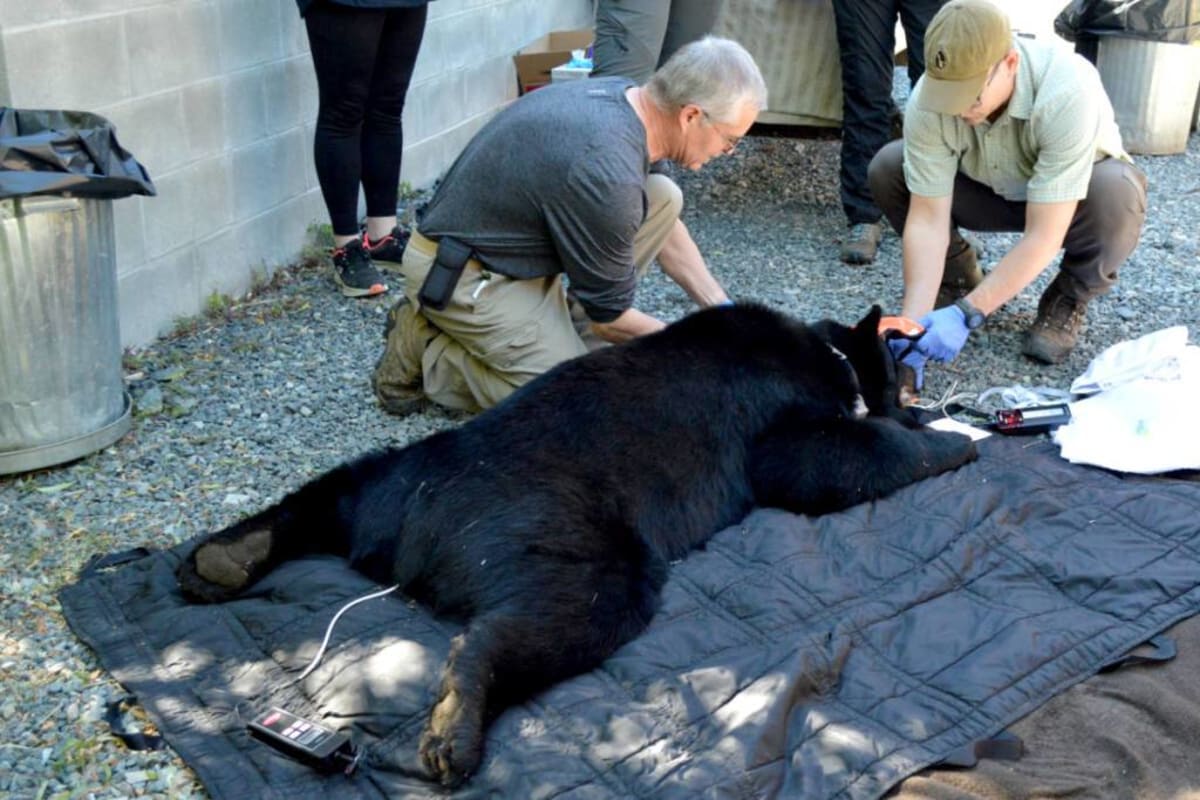
Before release day, veterinarians and B.C. Ministry of Forests representatives gave each bear a thorough health check. The team recorded weights, measurements, and fitted each bear with a tracking collar that will automatically drop off after one year.
The Ripple Effect
The tracking data from released bears has created an invaluable resource for wildlife conservation. Each collar provides 12 months of information about how rehabilitated bears adapt to life in the wild, helping researchers better understand black bear behavior and improving future rescue efforts.
The knowledge gained from over 100 released bears has shaped wildlife rehabilitation practices across the region. Every successful return to the forest proves that orphaned cubs can develop the skills they need to survive, even without their mothers.
Founder Robin Campbell said the excitement of release day never gets old. "It's just as exciting as the first one," she said, reflecting on more than two decades of successful rehabilitations.
Jackson described the emotional mix of pride and nervousness that comes with watching the bears leave. The team knows they've prepared the cubs well, but saying goodbye to animals they've cared for since infancy brings bittersweet feelings.
Five more bears are now free to roam Vancouver Island's forests, carrying with them the hope that human intervention can successfully bridge the gap when nature's plan goes awry.
Based on reporting by Google News - Wildlife Recovery
This story was written by BrightWire based on verified news reports.
Spread the positivity!
Share this good news with someone who needs it