Five Patients Recover from Rare Ebola Strain in Congo
In a breakthrough moment for the outbreak response, five patients have recovered from the Bundibugyo Ebola strain, which has no approved treatment or vaccine. Health officials say the recoveries prove that with early care and community support, beating this virus is possible.
Five people walked out of Ebola treatment centers in the Democratic Republic of Congo this week, recovered from a rare virus strain that doctors are still learning to fight.
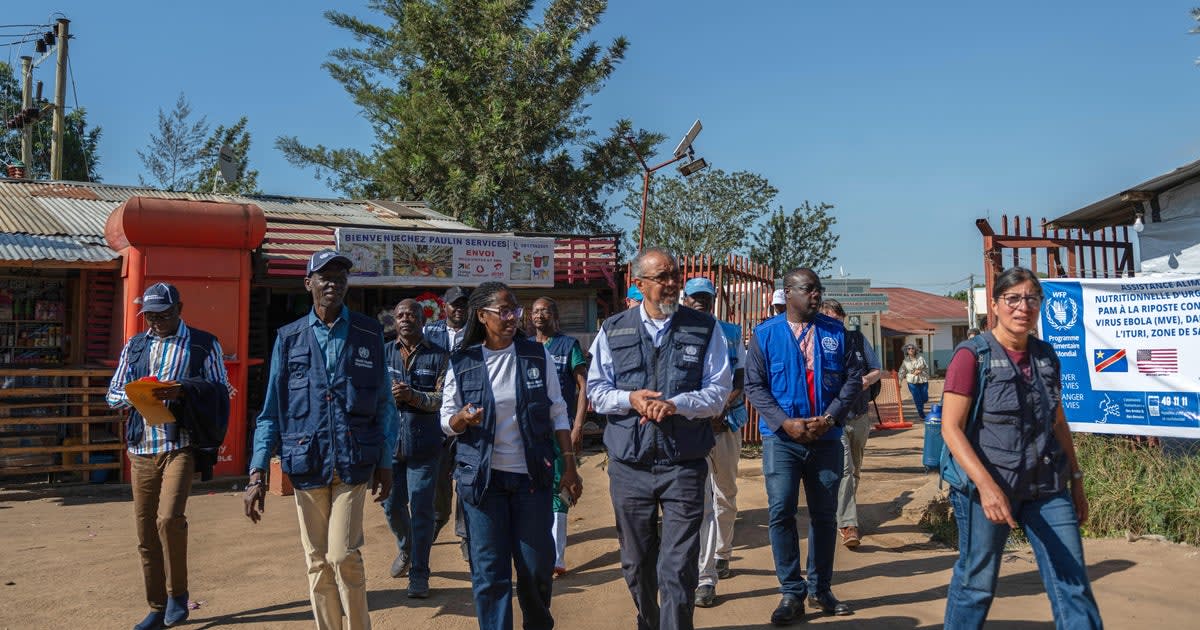
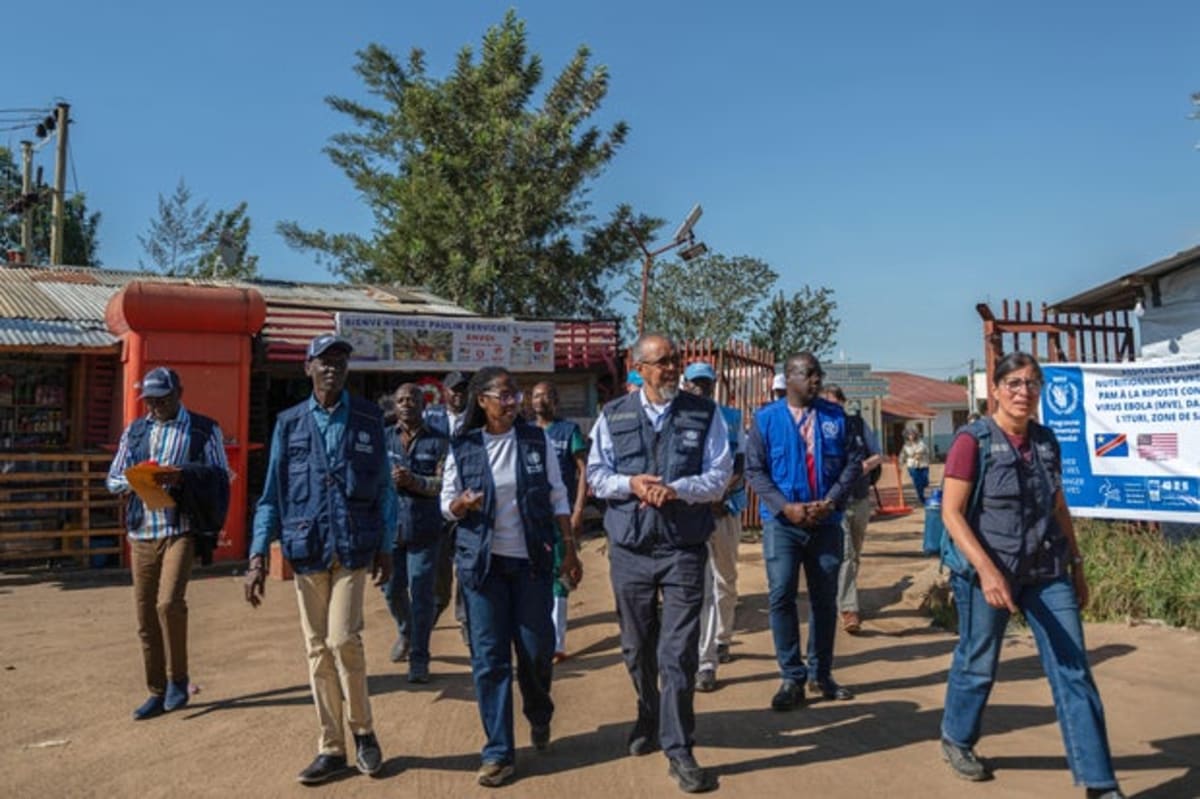
The patients overcame the Bundibugyo strain of Ebola, which has no approved treatment or vaccine, marking a major milestone in the current outbreak. World Health Organization Director-General Tedros Adhanom Ghebreyesus celebrated the recoveries during the opening of a new treatment center in Bunia, the provincial capital at the center of the outbreak.
"Of course, we're still working on vaccines and treatments but that doesn't mean that people cannot recover from Ebola," Tedros told gathered health workers and community members. His message was clear: hope matters, and showing up early to health facilities when symptoms appear can save lives.
The recoveries come as health workers are getting better organized despite challenging conditions. Congo has reported 134 confirmed cases and 18 deaths among confirmed cases, while neighboring Uganda has confirmed nine cases and one death.
Pierre Akilimali, Incident Manager at Congo's National Institute of Public Health, emphasized the significance of these recoveries for frightened communities. "With the symptomatic treatment that we are currently providing, we are seeing patients recover," he said at the new treatment center's inauguration.
The Bright Side
These five recoveries represent more than medical success. They're proof that community involvement and early intervention work, even without specific drugs or vaccines.
Dr. Davin Ambitapio, working at the treatment center, shared an encouraging assessment. "The virus here is not as complicated as those we have dealt with in the past, and with the support of all our partners, we believe we will be able to bring this outbreak under control as quickly as possible."
The WHO chief stressed that community participation is essential to stopping the spread. When people trust health facilities and seek help early, survival becomes possible even with supportive care alone.
Meanwhile, suspected Ebola cases in Brazil tested negative, confirming that the outbreak remains contained to central Africa. Health officials emphasized that the risk of the disease spreading to South America remains very low.
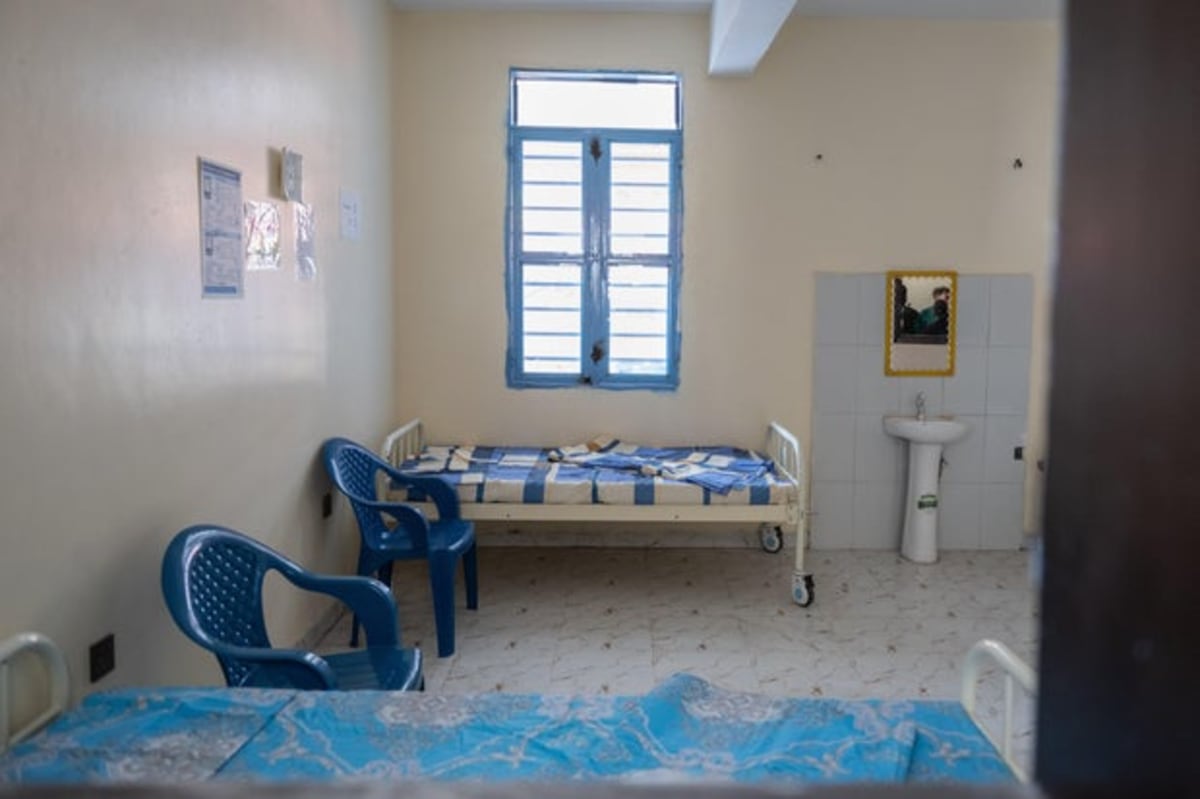
The opening of the new treatment center in Bunia signals growing capacity to handle cases with dignity and care. As more facilities open and communities become partners in the response, these five recoveries may be just the beginning.
More Images
Based on reporting by Google News - Health
This story was written by BrightWire based on verified news reports.
Spread the positivity!
Share this good news with someone who needs it