Five States Join Forces for Maine Wind Energy Breakthrough
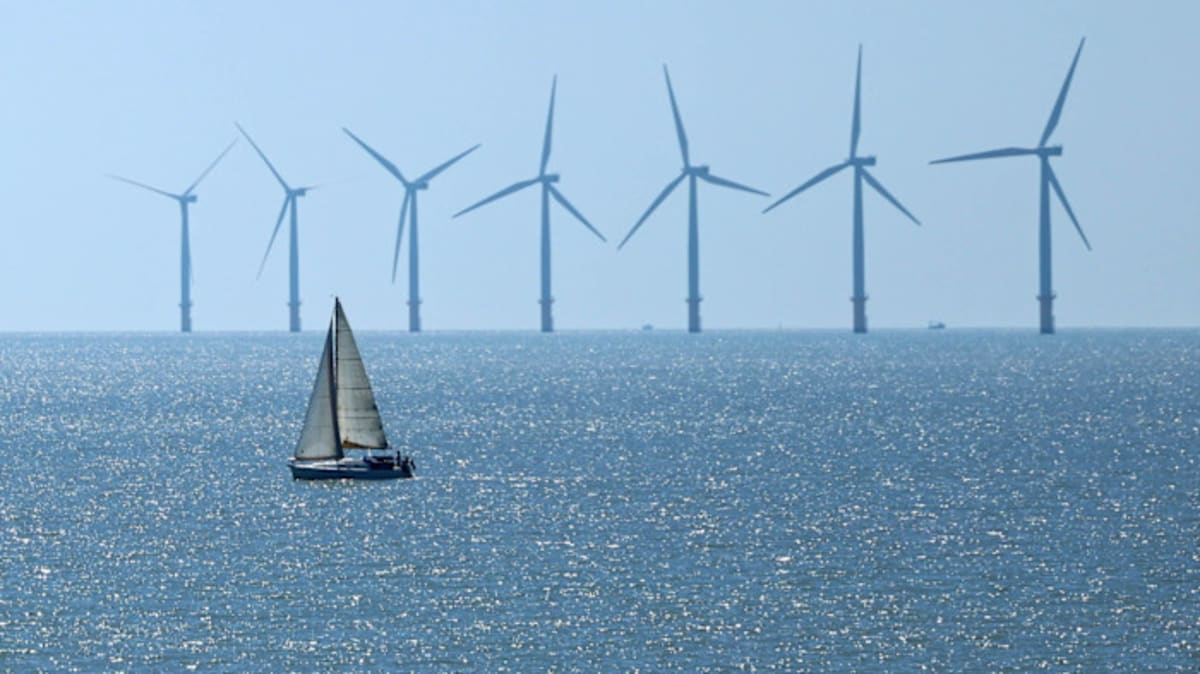
After nearly two decades of failed attempts, Maine's ambitious wind energy project is finally gaining momentum thanks to unprecedented collaboration between five New England states. The multistate effort could bring 1.2 gigawatts of clean wind power to the region by coordinating funding, transmission lines, and project selection. #
After years of watching wind energy dreams blow away, Maine is finally catching a breakthrough gust.
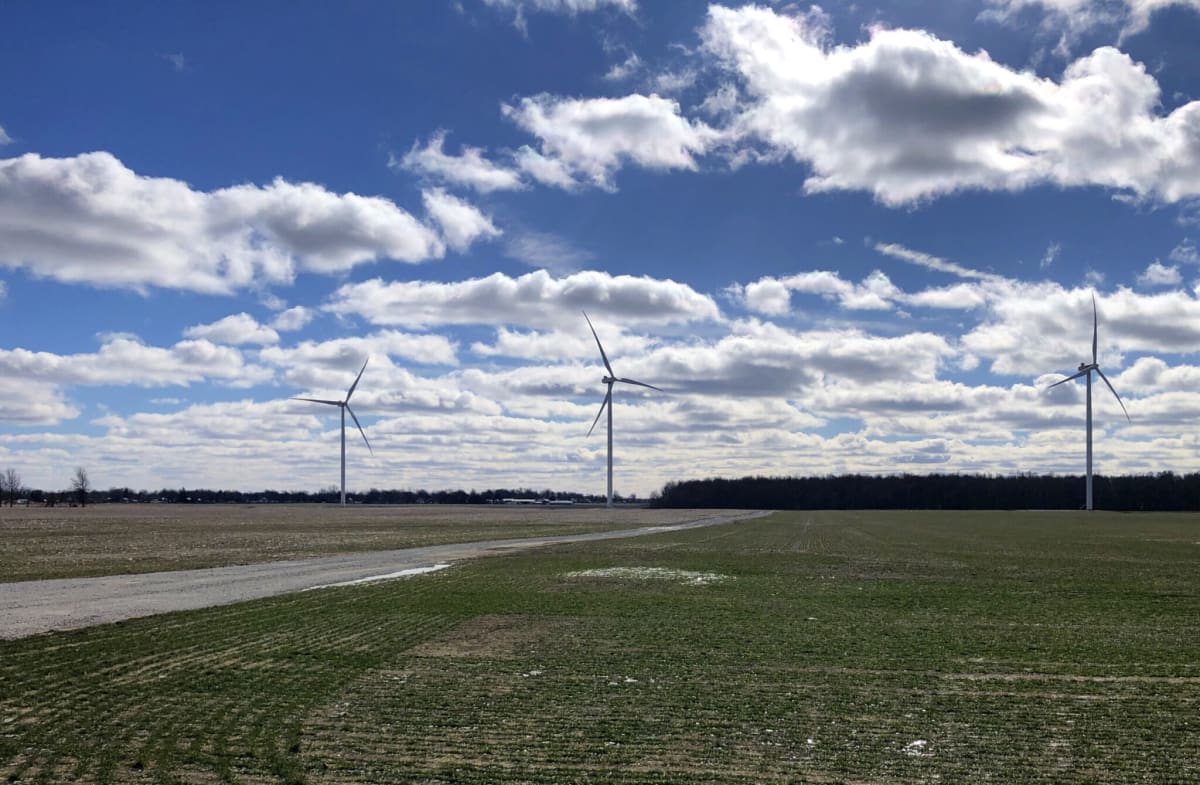
Five New England states just wrapped up accepting bids for up to 1.2 gigawatts of onshore wind capacity in northern Maine. This time, Connecticut, Maine, Massachusetts, Rhode Island, and Vermont are working together instead of going it alone.
The collaboration marks a turning point for a vision that's been stuck in neutral since 2008. Maine set a goal back then to have 3 gigawatts of wind power by 2020, but the state currently has just 1.2 gigawatts and zero offshore wind turbines spinning.
The problem was never the wind itself. Aroostook County, tucked against the Canadian border, has some of the strongest and most consistent winds in the region. The challenge was getting that power to people who need it.
Previous attempts in 2016 and 2023 collapsed under the weight of transmission costs and logistical headaches. Building power lines across remote northern Maine to connect to the regional grid proved too expensive and complicated for individual states to tackle.
This round feels different. Maine's Public Utilities Commission confirmed receiving at least one bid, and utility regulators across all five states are now reviewing proposals together. They're sharing the burden of assessment and the cost of necessary infrastructure.
The timing couldn't be better. Recent offshore wind setbacks and volatile fossil fuel prices driven by global conflicts have made renewable energy with zero fuel costs more attractive than ever. All five participating states have set ambitious climate targets, from Maine's 100% clean energy goal by 2040 to Massachusetts and Rhode Island aiming for carbon neutrality by 2050.
The Ripple Effect
The partnership extends beyond just picking a winning wind farm bid. Grid operator ISO New England already requested proposals for transmission infrastructure last March, shortening the distance power lines would need to travel from turbines to homes and businesses. Six proposals came in, which got narrowed to two finalists.
Francis Pullaro, president of clean energy association RENEWNortheast, says the coordination between states makes success far more likely this time. When governments pool resources and expertise, obstacles that seemed impossible to overcome suddenly become manageable.
A winning wind farm bid should be announced by the end of May. ISO New England may select a preferred transmission proposal by September, then states will decide whether to move forward.
For northern Maine communities that have watched energy projects come and go for nearly 20 years, this coordinated approach represents something new: a realistic path forward built on cooperation rather than competition.
Clean energy doesn't stop at state lines, and neither does this solution.
#
More Images



Based on reporting by Google News - Clean Energy
This story was written by BrightWire based on verified news reports.
Spread the positivity!
Share this good news with someone who needs it