Floating Gardens Cut Wastewater Emissions by Nearly a Third
Scientists planted a floating garden on a wastewater treatment pond in Australia and watched greenhouse gas emissions drop by up to 31%. The simple solution could help tackle a hidden climate problem lurking in sewage treatment worldwide.
Wastewater treatment cleans our dirty water but creates a surprising climate problem. Now researchers have found a beautifully simple solution that floats.
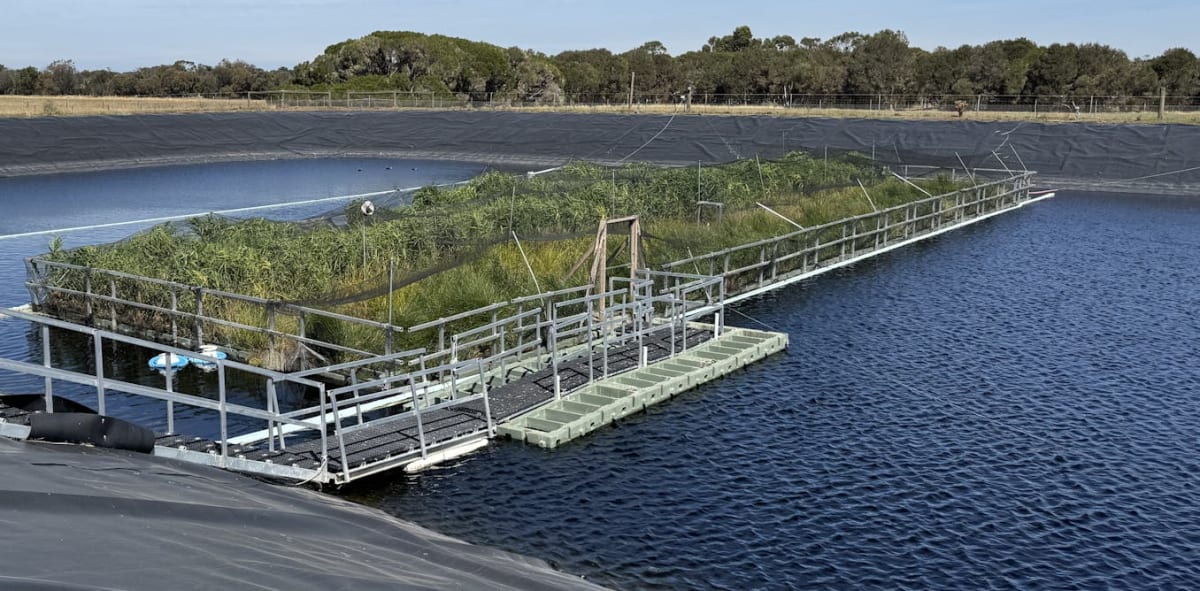
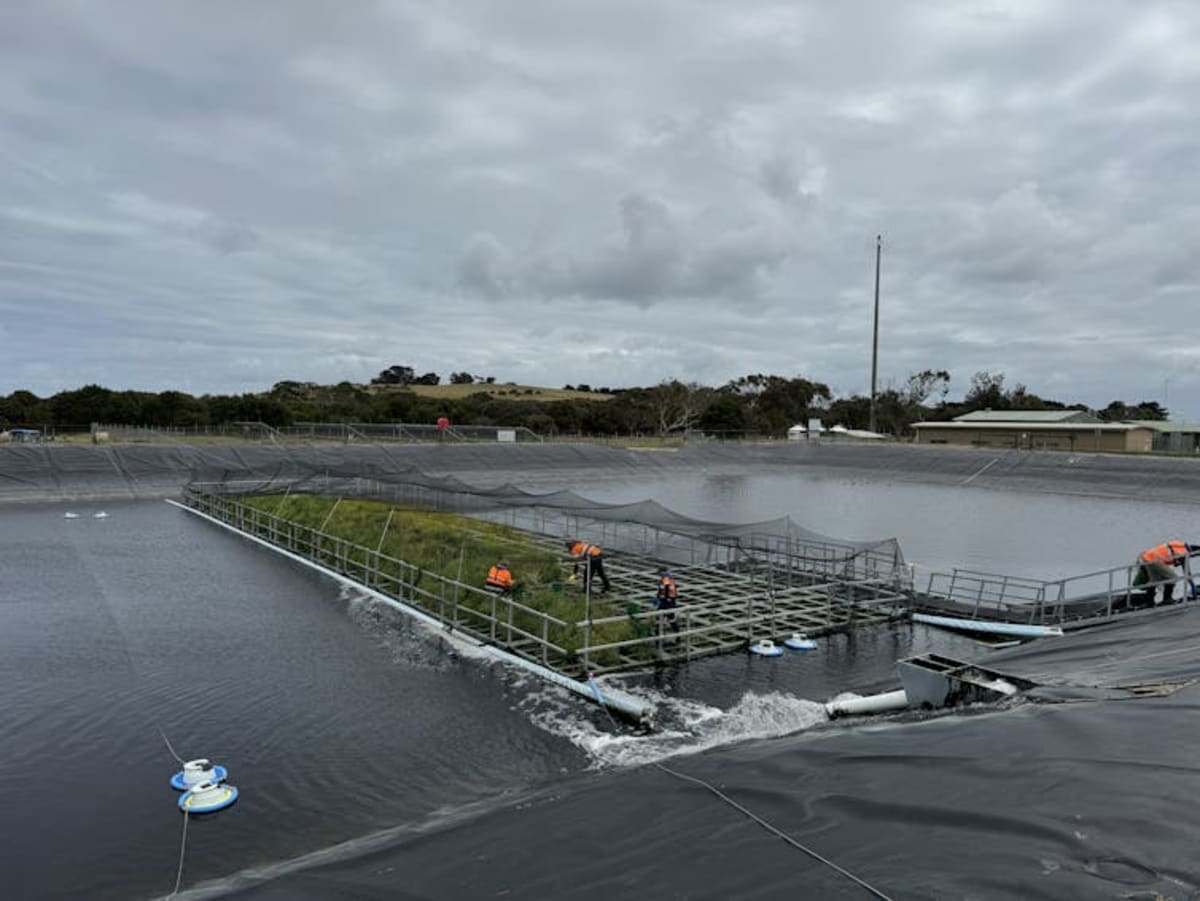
Scientists installed a floating garden the size of two tennis courts on a wastewater lagoon at Phillip Island in Victoria, Australia. They planted it with native rushes, reeds, and sedges, then watched what happened to the greenhouse gases bubbling up from the sewage below.
The results stunned them. Over two years, the floating wetland slashed overall emissions by nearly a third compared to an untreated control channel. Methane dropped by up to 66%, carbon dioxide fell by up to 36%, and nitrous oxide decreased by 18%.
The climate impact of wastewater treatment often flies under the radar. As microorganisms break down sewage, they release methane and nitrous oxide, which pack 27 and 273 times more heat-trapping punch than carbon dioxide. Globally, wastewater treatment accounts for roughly 7% of human-caused methane emissions and 10% of nitrous oxide.
Treatment companies have struggled to reduce these biological emissions, especially from open lagoons. Floating wetlands offer a rare practical solution that works with existing infrastructure.
The planted rafts work by dangling roots into the water below. These roots create massive surface areas where helpful microorganisms can thrive and consume organic matter. The plants also absorb nutrients and pollutants directly from the wastewater.
What surprised researchers most was how quickly the system worked. Emissions began dropping within just four to seven months, well before they could detect major changes in nutrient levels. The full explanation for this early success remains a mystery worth investigating.
The Ripple Effect
This breakthrough arrives at a crucial moment. Cities worldwide are expanding their wastewater treatment systems as populations grow. Installing floating wetlands on existing lagoons requires no additional land or major infrastructure changes.
The technology isn't perfect yet. The trial used some plastic-based materials, though future designs could incorporate natural or biodegradable alternatives. The experiment also covered just two channels within a larger lagoon, so testing across entire treatment facilities comes next.
Still, the Australian researchers have proven that nature-based solutions can tackle even hidden climate problems. Other wastewater facilities are already using floating wetlands to improve water quality. Now they have compelling evidence to reduce emissions too.
Clean water and cleaner air, all from gardens that float.
More Images
Based on reporting by Google News - Emissions Reduction
This story was written by BrightWire based on verified news reports.
Spread the positivity!
Share this good news with someone who needs it